Key Trends Driving the Global Steel Industry’s Future
When you hear “steel,” you probably picture towering skyscrapers or massive bridges, but the material’s story is evolving fast. From climate‑driven regulations to shifting trade patterns, the forces reshaping the sector are as diverse as the products it creates. In the next few years, the global steel industry trends and future outlook will hinge on how producers balance demand, sustainability, and technology—all while navigating a volatile geopolitical landscape.
Global Steel Industry Trends and Future Outlook
Demand for steel remains robust, yet the type of steel and the way it’s made are changing. Emerging economies continue to invest in infrastructure, but mature markets are demanding lighter, stronger, and greener alloys for cars, renewable‑energy equipment, and construction. Meanwhile, policymakers worldwide are tightening carbon‑emission standards, pushing producers to rethink centuries‑old processes.
1. Decarbonization Takes Center Stage
Carbon intensity has become the industry’s most visible metric. The European Union’s Carbon Border Adjustment Mechanism (CBAM) and similar policies in Canada and Japan are already influencing where steel is sourced. Many major producers are piloting “green steel” projects that replace coal‑based blast furnaces with electric arc furnaces powered by renewable electricity. While the technology is still scaling, early adopters report lower emissions and a growing appetite from eco‑conscious customers.
- Electric arc furnaces can cut CO₂ emissions by up to 70 % compared with traditional methods.
- Hydrogen‑based direct reduction is being trialed in Germany and Sweden, aiming for near‑zero‑carbon steel.
- Companies that publish transparent carbon‑footprint data tend to attract premium contracts.
2. Digitalization and Automation
Smart factories are no longer a futuristic buzzword. Sensors, AI‑driven quality controls, and predictive maintenance platforms are being rolled out across major plants in China, the United States, and South Korea. These tools help trim energy use, reduce scrap rates, and improve worker safety. For a sector where profit margins can be razor‑thin, even modest efficiency gains matter.
3. Trade Dynamics and Supply‑Chain Resilience
Geopolitical tensions have reminded the industry that over‑reliance on a single supplier can be risky. The U.S. has introduced measures to encourage domestic steel production, while India’s recent import‑substitution push is prompting new investments in local mills. At the same time, the lingering effects of the COVID‑19 pandemic have spurred many firms to diversify their raw‑material sources, seeking a more balanced global supply chain.
4. Regional Shifts in Production Capacity
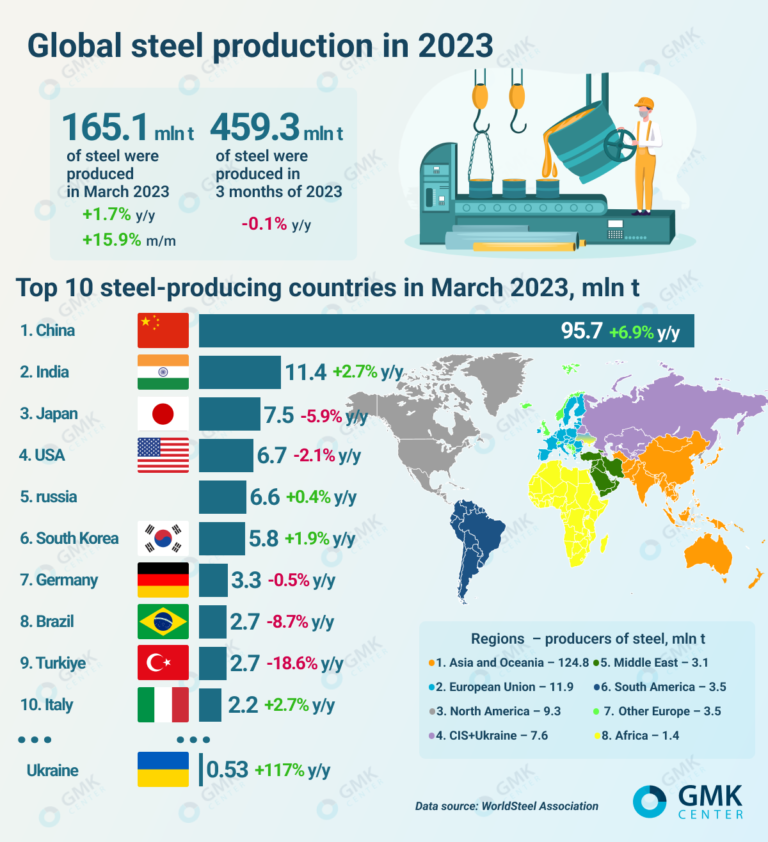
China still commands roughly half of the world’s steel output, but its growth rate is slowing as the country pivots toward higher‑value, low‑carbon products. In contrast, Brazil and Indonesia are expanding capacity to meet domestic construction booms, and the Middle East is positioning itself as a hub for steel used in renewable‑energy projects, especially solar‑panel frames and wind‑turbine towers.
5. Evolving Product Demand
Automakers are a prime example of changing steel needs. The rise of electric vehicles (EVs) calls for more lightweight, high‑strength steels to offset battery weight. Simultaneously, the renewable‑energy sector drives demand for steel grades that can withstand harsh marine environments and temperature fluctuations. This diversification is prompting manufacturers to broaden their alloy portfolios.
6. Investment in Research & Development
Governments and private firms alike are pouring funds into R&D to make steel more sustainable. Collaborative initiatives, such as the World Steel Association’s “Decarbonisation Challenge,” bring together academia, industry, and NGOs to share breakthroughs. While breakthroughs like carbon capture and utilization (CCU) are still early‑stage, the collective momentum suggests that commercial solutions could arrive within the next decade.
What This Means for Stakeholders
For investors, the key takeaway is that companies embracing green technologies and digital upgrades are likely to outperform peers that cling to legacy processes. Suppliers should watch for increasing demand for renewable‑energy‑grade steel and consider diversifying their product lines accordingly. Meanwhile, policymakers can shape the market by offering clear, consistent carbon‑pricing mechanisms that level the playing field for innovators.
FAQ
Q: Will the push for green steel significantly raise production costs?
A: Initially, yes. Transitioning to electric arc furnaces or hydrogen‑based reduction requires capital outlays and may raise energy bills. Over time, however, efficiencies and falling renewable‑energy prices are expected to offset many of those costs.
Q: How quickly can electric arc furnace capacity grow globally?
A: Expansion rates vary by region, but most analysts anticipate a 15‑20 % increase in global electric arc furnace capacity over the next five years, driven by investments in Europe, North America, and parts of Asia.
Q: Are there any steel‑producing countries that might lose market share?
A: Countries heavily reliant on coal‑based blast furnaces and lacking clear carbon‑reduction pathways—such as some lower‑income regions—could see a gradual decline as buyers favor greener alternatives.
Q: How important is digitalization for improving steel quality?
A: Very. Real‑time monitoring and AI‑based defect detection can reduce scrap rates by up to 30 %, ensuring higher consistency and lower waste, which directly benefits profitability.