Latest Breakthroughs in the Search for an HIV/AIDS Cure
Why a cure matters beyond treatment
Antiretroviral therapy (ART) has turned HIV from a fatal disease into a manageable chronic condition, yet it never truly eradicates the virus. People on lifelong medication still face stigma, drug side‑effects, and the constant risk of resistance. That lingering threat fuels a worldwide scientific push for an HIV/AIDS cure—whether a sterilizing cure that wipes the virus out completely, or a functional cure that lets the immune system keep the virus in permanent remission without daily drugs.
Current landscape of HIV/AIDS cure research
In the past few years, several parallel avenues have gathered momentum. Researchers are experimenting with gene‑editing tools, harnessing the body’s own antibodies, testing long‑acting injectables, and revisiting stem‑cell transplant cases that hinted at a cure. While none have yet delivered a universally applicable solution, each adds a piece to a puzzle that may finally be solved.
Gene‑editing approaches: CRISPR and CCR5
One of the most talked‑about strategies targets the CCR5 co‑receptor that HIV uses to enter CD4 cells. Using CRISPR‑Cas9, scientists have successfully disrupted CCR5 in laboratory T‑cells, making them resistant to infection. Early‑phase clinical trials in the United States and Europe have shown that edited cells can survive and expand after infusion, though the degree of viral control varies. The technique remains experimental; off‑target effects and delivery efficiency are still under scrutiny, but the concept proves that a permanent genetic shield is conceivable.
Broadly neutralizing antibodies and immunotherapy
Another promising line leverages broadly neutralizing antibodies (bNAbs) that can recognize multiple HIV strains. Recent trials have combined two or three bNAbs and observed a temporary drop in viral load, sometimes below detectable levels, without ART. Researchers are now engineering these antibodies to have longer half‑lives and to engage immune cells more aggressively, effectively turning the body’s own defenses into a living drug. While the effects fade once the antibodies clear, the approach demonstrates that the immune system can be re‑educated to keep the virus in check.
Long‑acting injectable regimens as functional cure candidates
Injectable antiretrovirals such as cabotegravir and rilpivirine already provide months‑long protection against infection. Some investigators are testing whether ultra‑long‑acting formulations, given only a few times a year, might allow the virus to settle into a dormant state that never rebounds after ART is stopped. Early data from small pilot studies suggest that, in a subset of participants, viral loads remain suppressed for several weeks after the last injection. These findings hint at a functional cure scenario, though larger trials are needed to confirm durability.
Stem‑cell transplants: lessons from the Berlin and London patients
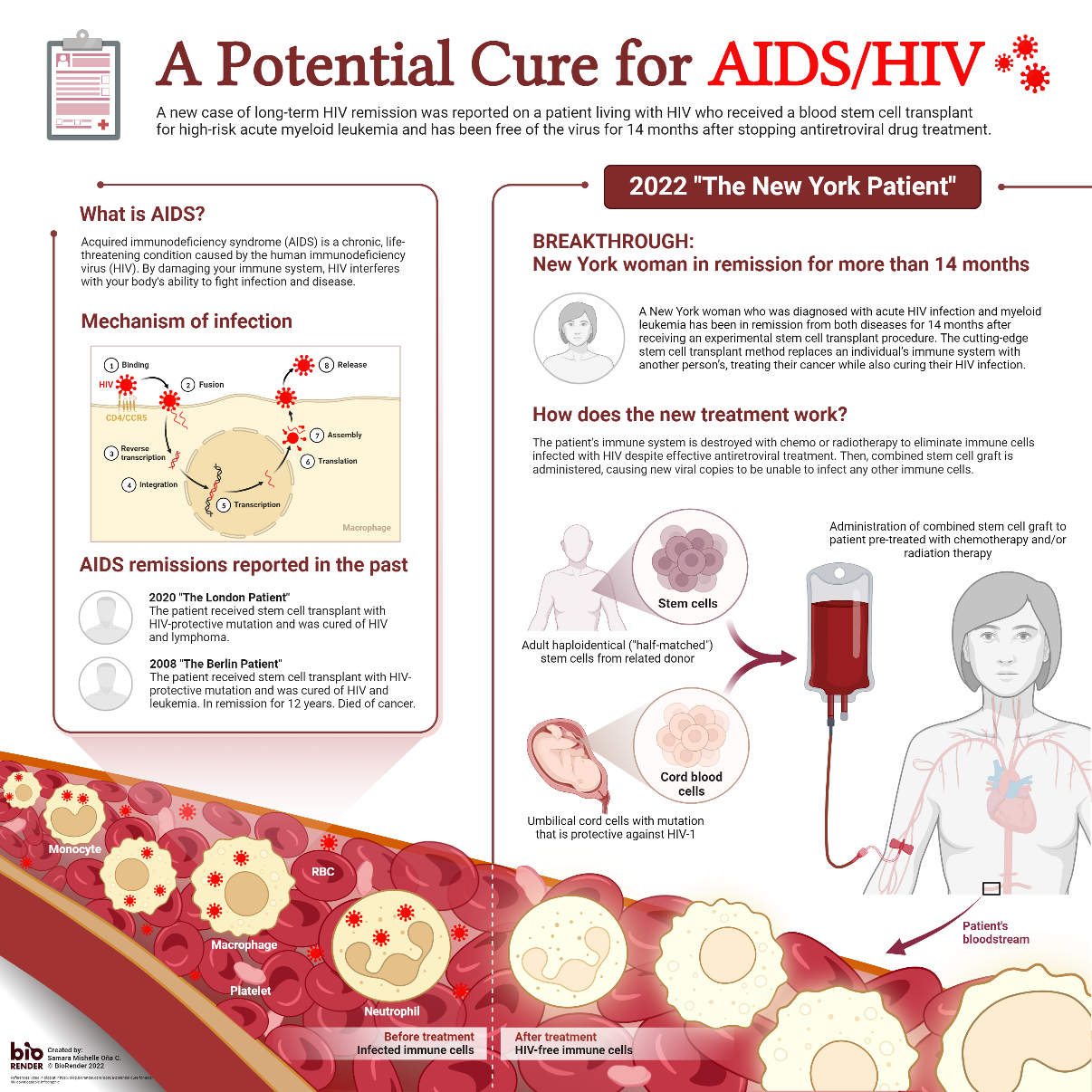
The most famous “cure” cases involved bone‑marrow transplants from donors with a natural CCR5‑Δ32 mutation. The Berlin patient (2007) and the London patient (2019) have remained off ART for years, their viral reservoirs dramatically reduced. However, such transplants are risky, expensive, and only feasible for individuals with blood cancers. Current research is trying to replicate the effect without full transplantation—by delivering CCR5‑deficient stem cells or using gene‑edited autologous cells—aiming to capture the cure’s essence while sidestepping its lethal side effects.
Clinical trials on the horizon
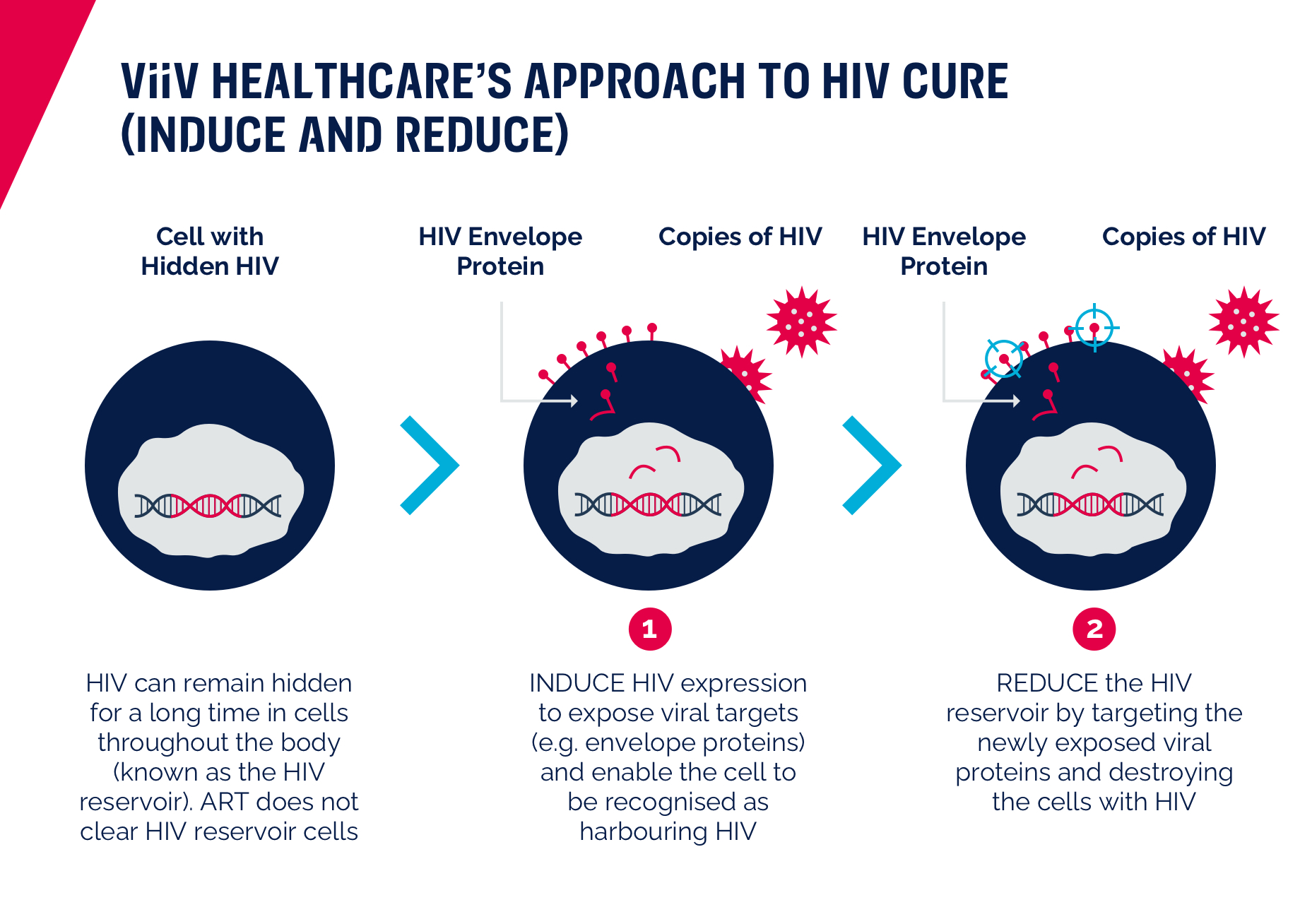
Across the globe, more than a dozen Phase I/II trials are recruiting participants. Notable among them is a multinational study combining a CRISPR‑edited T‑cell product with a bNAb cocktail, hoping to achieve both cellular resistance and viral suppression. Another trial is testing a “kick‑and‑kill” regimen that first awakens hidden virus reservoirs and then targets the reactivated cells with immune‑modulating drugs. While results are still pending, the diversity of approaches shows that the field is no longer betting on a single miracle but on a portfolio of complementary tactics.
Challenges that still stand in the way
Even the most optimistic scientists acknowledge several hurdles. HIV’s ability to hide in latent reservoirs means any cure must reach every pocket of infected cells—a feat not yet demonstrated. Safety concerns, especially with gene editing, demand rigorous long‑term monitoring. Moreover, the cost and logistical complexity of advanced therapies could limit access in low‑resource settings where the disease burden is highest. Balancing scientific ambition with ethical responsibility remains a core conversation.
FAQ
- Is there an HIV cure on the market right now? No. Current treatments are highly effective at controlling the virus, but no product has been approved that can permanently eradicate HIV or maintain remission without ongoing medication.
- How does a “functional cure” differ from a “sterilizing cure”? A functional cure means the virus stays undetectable and non‑transmissible without drugs, while a sterilizing cure would remove every trace of HIV from the body.
- Can CRISPR editing be used as a one‑time therapy? In theory, yes—if edited cells persist and protect the immune system long‑term. Clinical trials are still evaluating safety and how durable the effect truly is.
- What role do broadly neutralizing antibodies play in a potential cure? They can temporarily suppress the virus and may train the immune system to recognize and control HIV, acting as a bridge toward longer‑lasting remission strategies.


:quality(30):format(webp):focal(0.5x0.5:0.5x0.5)/pekanbaru/foto/bank/originals/Inilah-jawaban-tebak-tebakan-sesuai-yang-kdang-bisa-membuat-kita-tertawa-dan-menangis.jpg)