Letters of Credit Decoded: A Simple Guide
When you’re dealing with international trade, a letter of credit (often shortened to LC) can feel like a secret code. It’s a bank‑issued promise that the seller will get paid, provided they meet a checklist of documents. Think of it as a safety net that protects both buyer and seller from the unknowns of cross‑border transactions.
What Is a Letter of Credit?
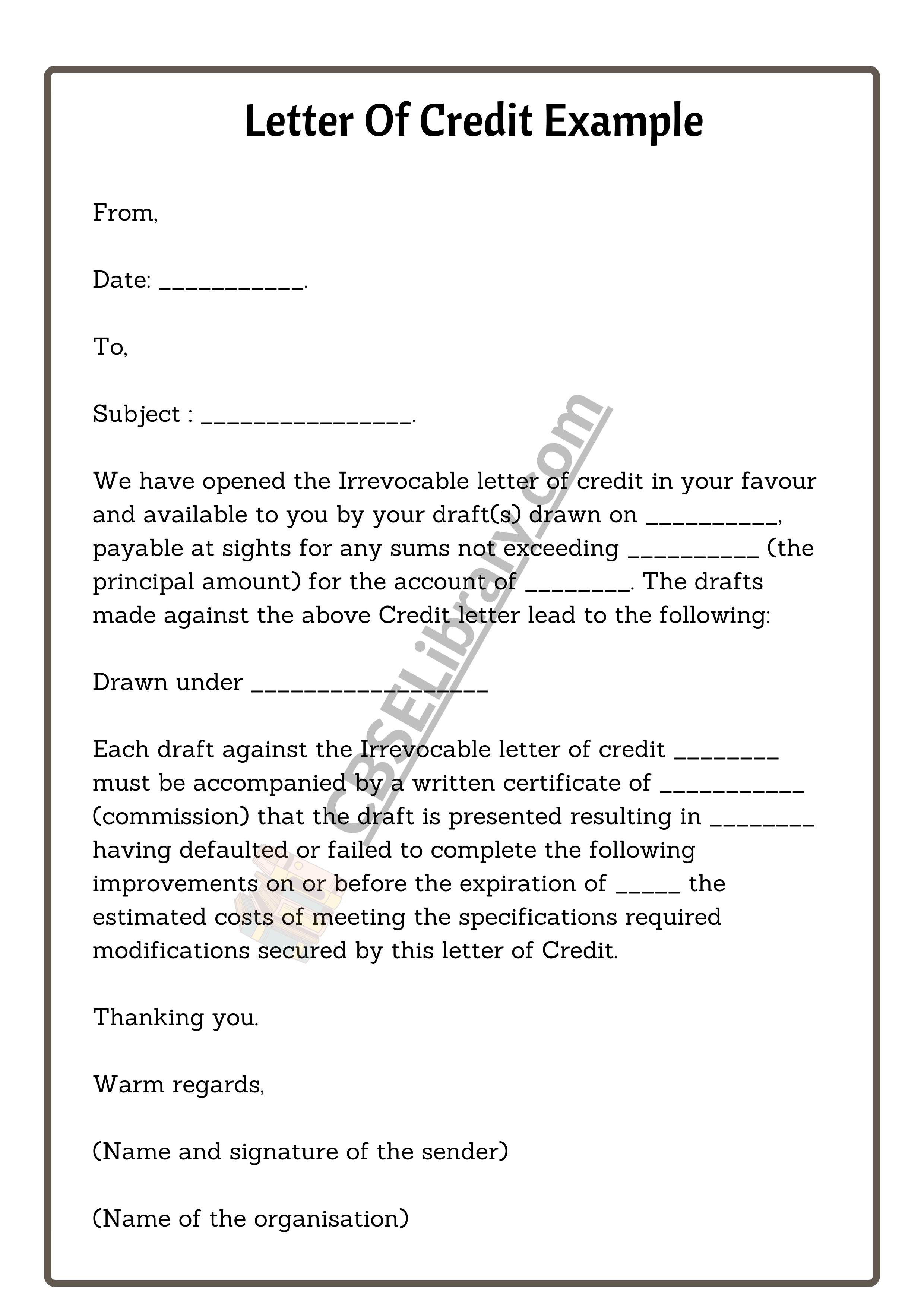
At its core, a letter of credit is a contractual commitment from a bank to pay a seller on behalf of a buyer, as long as the seller presents the required paperwork. The buyer’s bank verifies that the documents—like a commercial invoice, bill of lading, and insurance certificate—match the terms set out in the LC. If everything lines up, the bank releases the funds, usually within a few days.
How a Letter of Credit Works
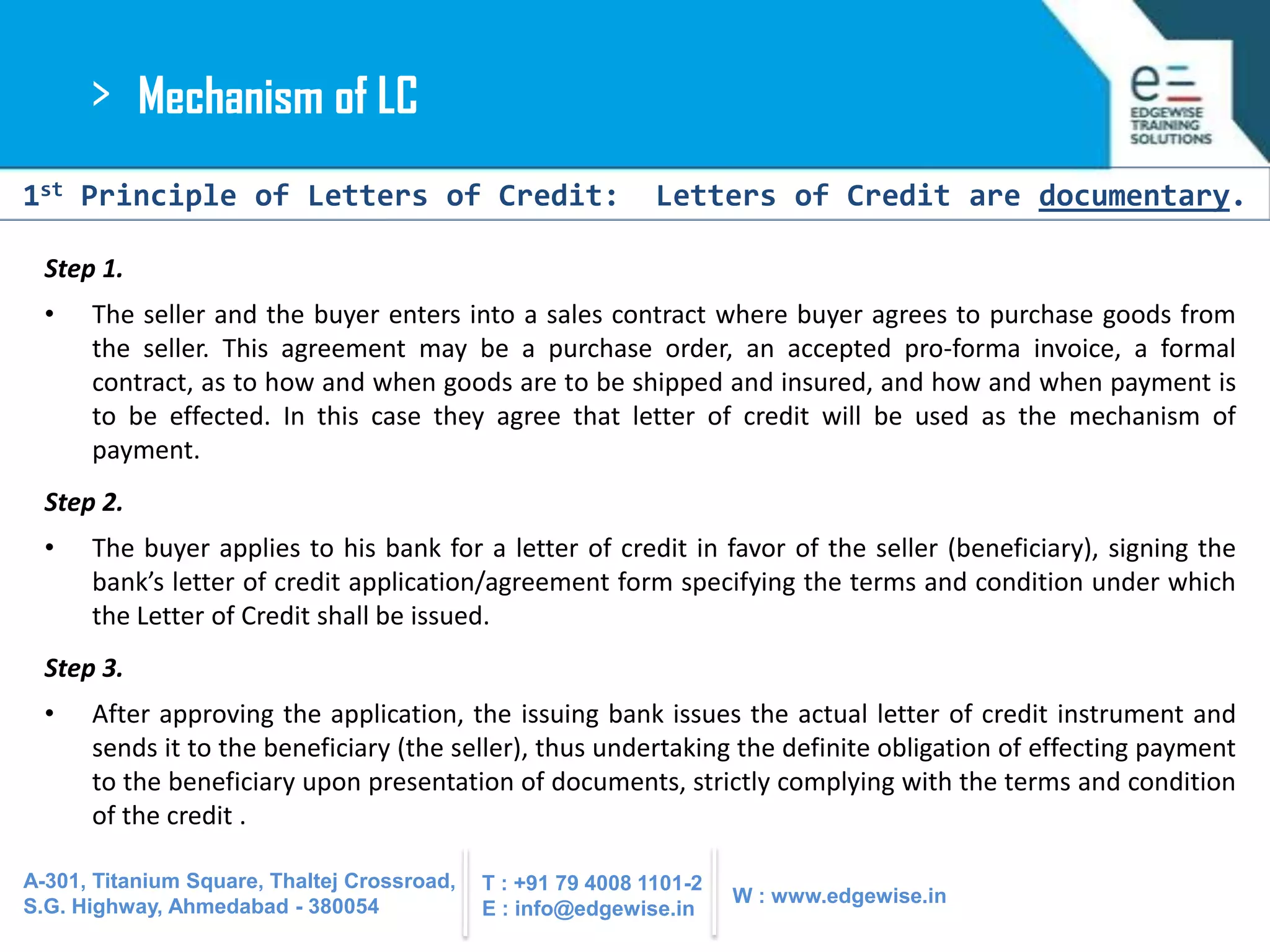
The process unfolds in a few predictable stages:
- Application: The buyer asks their bank to issue an LC, specifying amount, currency, and shipment details.
- Issuance: The bank sends the LC to the seller’s bank (the “advising bank”).
- Presentation: The seller ships the goods, gathers the required documents, and submits them to their bank.
- Verification: The advising bank checks the documents against the LC terms and forwards them to the issuing bank.
- Payment: If the paperwork is in order, the issuing bank pays the seller or accepts a draft for later payment.
Each step is designed to keep the transaction transparent and to limit the risk of non‑payment or non‑delivery.
Key Types of Letters of Credit
Not all LCs are created equal. Here are the most common varieties you might encounter:
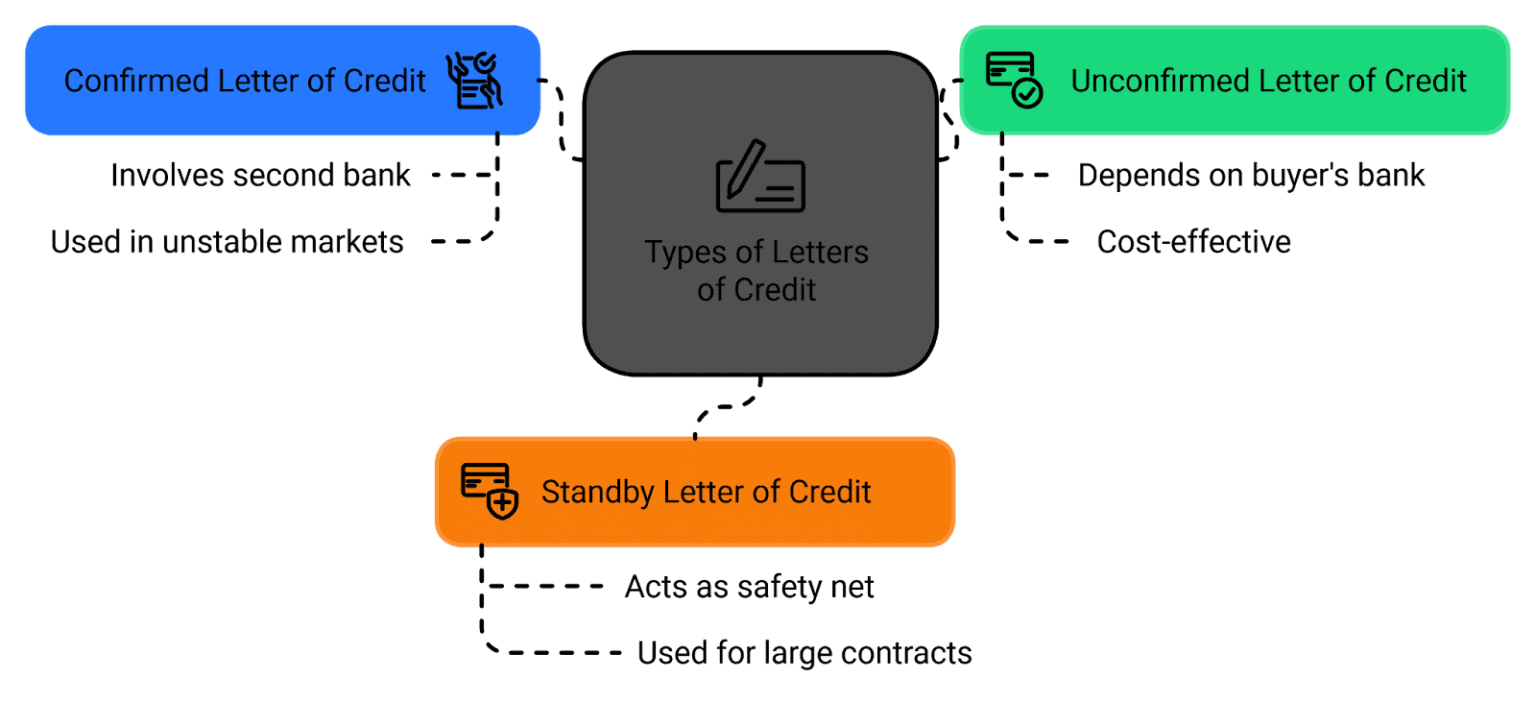
- Revocable vs. Irrevocable: An irrevocable LC can’t be changed or cancelled without agreement from all parties. Revocable LCs are rare in modern trade because they offer little protection.
- Confirmed LC: A second bank, usually in the seller’s country, adds its guarantee to the original LC, boosting confidence that payment will arrive.
- Sight vs. Deferred Payment: A sight LC triggers immediate payment upon document presentation, whereas a deferred‑payment LC allows the buyer a set period—often 30, 60, or 90 days—before paying.
- Transferable LC: The original beneficiary can pass some or all of the credit on to another supplier, useful in complex supply chains.
Common Pitfalls and How to Avoid Them
Even seasoned importers stumble over a few recurring issues:
- Missing or mismatched documents—anything from a typo in the invoice to an unsigned bill of lading—can cause a bank to reject the presentation.
- Over‑reliance on “soft” terms like “reasonable time” or “as soon as practicable” invites interpretation disputes.
- Ignoring the cost structure. Issuing and confirming fees, plus interest on deferred payment, can add up quickly.
To keep things smooth, double‑check every required document against the LC wording, use clear, specific language in the credit terms, and ask your bank for a detailed fee breakdown before signing.
Practical Tips for Using a Letter of Credit
Implementing an LC doesn’t have to be a headache. Follow these straightforward practices:
- Start the conversation early. Involve your bank at the negotiation stage so the LC can be drafted alongside the sales contract.
- Keep a checklist handy. List every document the LC demands, assign a responsible person, and set internal deadlines a few days before the shipment date.
- Consider a “soft” LC for low‑risk partners. A simpler, irrevocable LC with minimal conditions can speed up the process while still offering protection.
- Leverage technology. Many banks now offer digital portals where you can upload documents, track status, and receive electronic notifications.
When used correctly, a letter of credit transforms uncertainty into a manageable, almost routine part of global commerce.
Frequently Asked Questions
Can a buyer cancel an irrevocable letter of credit?
Generally no. An irrevocable LC stays in force until the stipulated conditions are met or the parties mutually agree to amend it, which typically requires consent from the seller’s bank as well.
What happens if the documents contain a minor error?
Banks apply a “strict compliance” rule, meaning even small discrepancies can lead to rejection. Some banks offer a “waiver” option, but that depends on the buyer’s willingness to accept the risk.
Is a confirmed letter of credit more expensive?
Yes. The confirming bank assumes additional risk, so it charges a separate confirmation fee on top of the issuing bank’s fees. The extra cost is often justified when the seller doubts the creditworthiness of the buyer’s bank.
Do I need a letter of credit for domestic transactions?
Typically not. LCs are most valuable in cross‑border trade where parties rely on different legal systems and currencies. Domestic sales usually rely on invoices, escrow, or simple payment terms.






:max_bytes(150000):strip_icc():focal(2260x1426:2262x1428)/90-Day-Fiance-The-Other-Way-Lily-james-c2f330ee20314904adcfa0d4a13ad2f5.jpg)

