Liquidity Trap: Why Money Markets Sometimes Fail
Imagine you are drowning in cash, but the economy around you is freezing solid. You want to invest, you want to spend, and you want to grow, but nothing moves. This isn’t just a bad market day; it is what economists call a liquidity trap. It is one of those financial concepts that sounds straightforward until you realize it effectively breaks traditional monetary policy.
When a country falls into a liquidity trap, interest rates drop to near zero, yet consumer spending and investment remain stubbornly low. Central banks try to pump more money into the system to stimulate growth, but the money just sits there. It’s like trying to fill a leaky bucket where the holes are bigger than the tap. Understanding this phenomenon is crucial for anyone trying to make sense of modern economic stagnation, especially in post-recession environments.
What Exactly Is a Liquidity Trap?
At its core, a liquidity trap is a scenario where monetary policy becomes ineffective. In a normal economy, if a central bank wants to boost growth, it lowers interest rates. Lower rates make borrowing cheaper. Businesses take loans to expand, and consumers take mortgages to buy homes. The economy heats up.
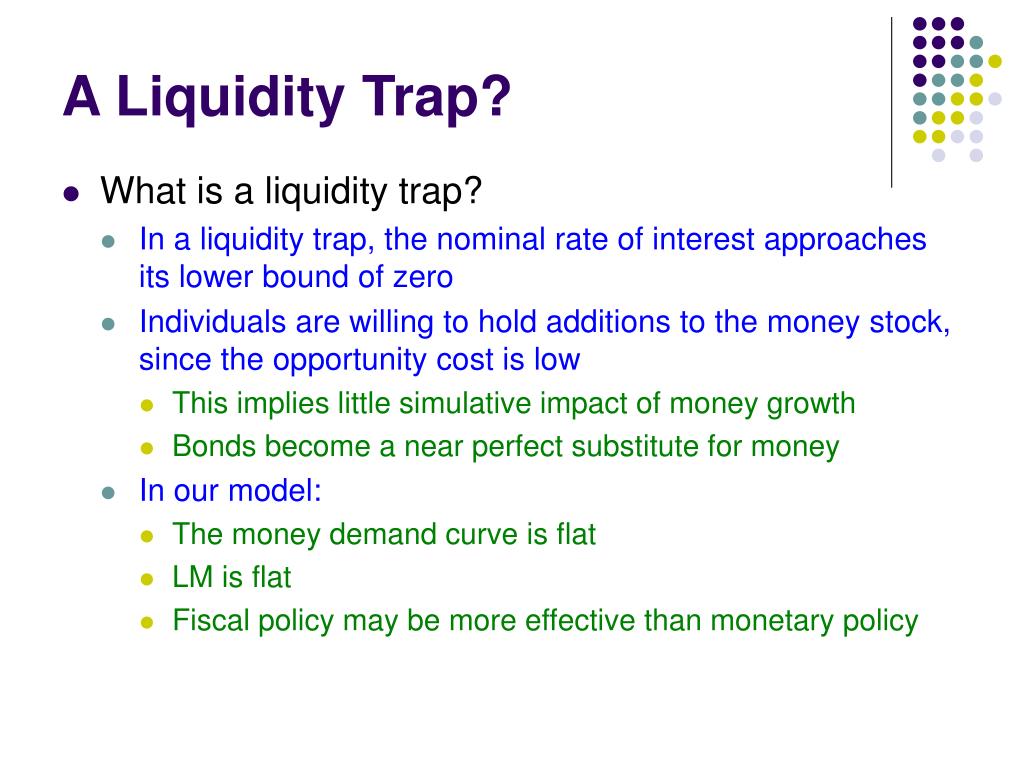
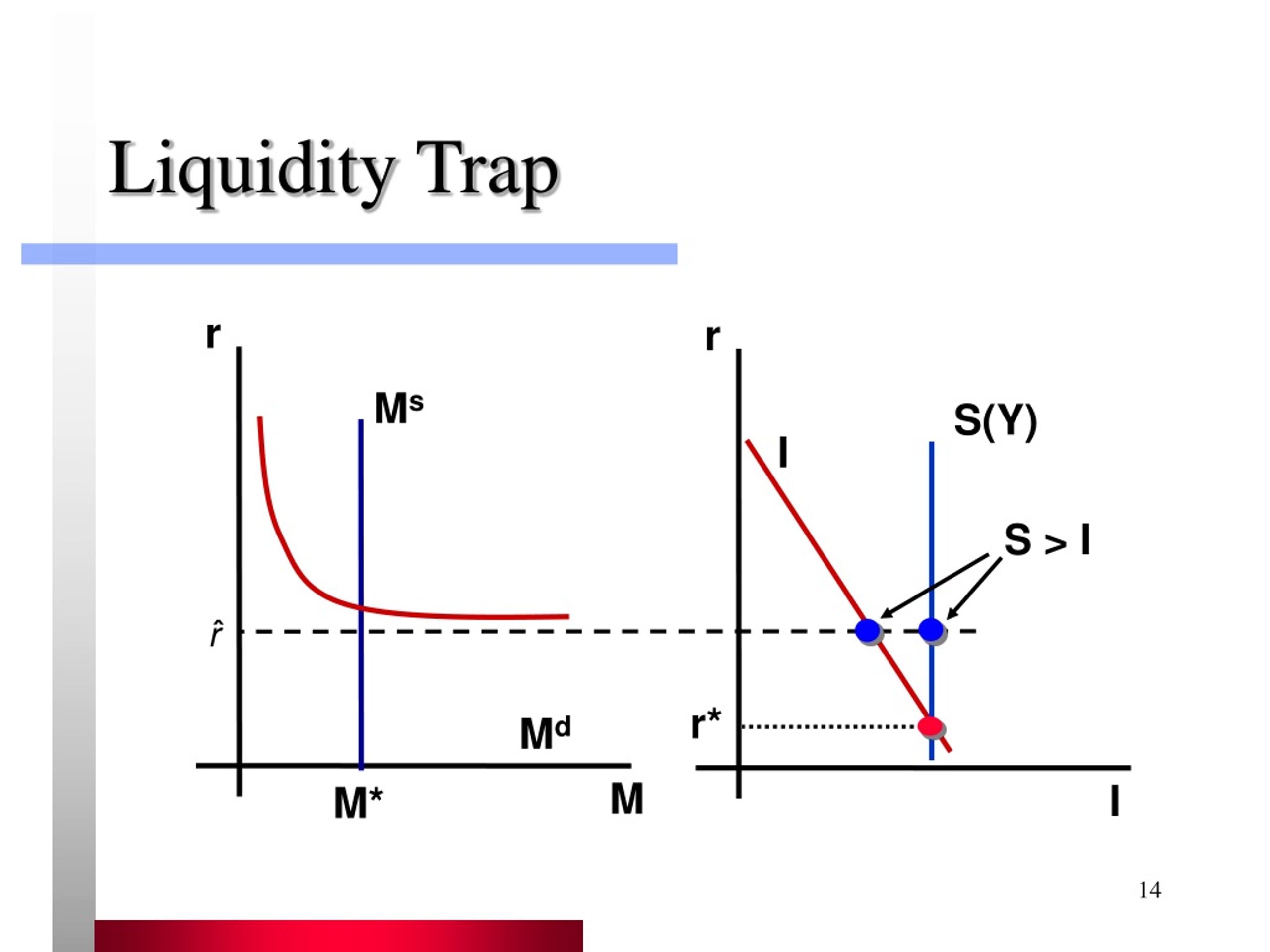
But in a liquidity trap, interest rates are already at or near zero. The central bank cuts them further, but it doesn’t matter. People become so pessimistic about the future that they prefer to hold cash rather than spend it or invest it. Why? Because the opportunity cost of holding cash is negligible. If bonds yield 0.1% and stocks look volatile, sitting on cash feels safer, even if that cash earns nothing.
This behavior creates a paradox. The central bank increases the money supply, but velocity—the speed at which money changes hands—plummets. The result is stagnation. The economy doesn’t crash, but it doesn’t grow either. It just limps along, resistant to the usual tools of economic management.
The Keynesian Perspective
John Maynard Keynes popularized the concept in his 1936 work, The General Theory of Employment, Interest and Money. He argued that during severe economic downturns, private demand could drop so low that monetary policy alone couldn’t fix it. Investors become "trapped" in liquid assets because they fear capital losses in other investments.
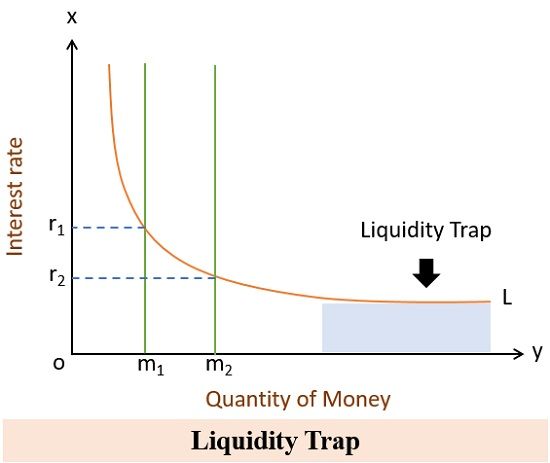
Keynes believed that when interest rates hit the "zero lower bound," the demand for money becomes perfectly elastic. This means no matter how much money the central bank prints, people will just hoard it. The transmission mechanism of monetary policy breaks down. Instead of flowing into businesses and consumers, the liquidity stays in financial institutions or people’s mattresses.
This view challenged the classical belief that flexible interest rates would always restore full employment. It shifted the focus toward fiscal policy—the idea that governments must step in directly when central banks run out of steam.
Real-World Examples: Japan and the Post-2008 Era
The most cited example of a liquidity trap is Japan during the 1990s. After their asset price bubble burst, the Bank of Japan slashed interest rates to near zero. They tried everything traditional monetary policy offered. Yet, Japan suffered decades of deflation and stagnation, often referred to as the "Lost Decades."
Why did this happen? Deflation played a huge role. When prices fall, people delay purchases, expecting things to be cheaper tomorrow. This reduces demand further, causing prices to drop more. It’s a vicious cycle. In this environment, holding cash actually increases in purchasing power over time, giving people a strong incentive to save rather than spend.
After the 2008 global financial crisis, many advanced economies, including the US and parts of Europe, flirted with liquidity trap conditions. The Federal Reserve cut rates to zero and implemented Quantitative Easing (QE). While QE prevented a deeper depression, the recovery was slow for years, and wage growth remained sluggish. Critics argued that the US was in a partial liquidity trap, where low rates failed to spur robust investment.
How Do Economists Escape the Trap?
If lowering interest rates doesn’t work, what’s left? Economists generally point to two main avenues: aggressive fiscal policy and unconventional monetary measures.
- Fiscal Stimulus: This is the Keynesian solution. If the private sector won’t spend, the government should. This involves increased government spending on infrastructure, education, or direct transfers to citizens. The idea is to jumpstart demand directly, bypassing the broken monetary transmission mechanism.
- Quantitative Easing (QE): When rates are at zero, central banks buy long-term government bonds and other securities. This injects liquidity into the system and aims to lower long-term interest rates, even if short-term rates are already at zero. It’s a way to push down the cost of borrowing for mortgages and business loans.
- Inflation Targeting: Central banks can try to convince the public that inflation will rise. If people expect prices to go up, they are more likely to spend now rather than later. This manages expectations to break the deflationary spiral.
However, these solutions come with risks. Massive government spending can lead to high debt levels. QE can inflate asset bubbles, driving up housing and stock prices without helping the average worker. And if inflation expectations aren’t managed carefully, you could end up with neither growth nor stability.
Why It Matters for You
You might wonder why this macroeconomic theory affects your daily life. It matters because it dictates the financial landscape you operate in. If your economy is in a liquidity trap, you’re likely dealing with low wages, high unemployment, or stagnant asset prices.
For investors, it means equity markets might be driven more by speculation than fundamentals, as cash yields nothing. For homeowners, it might mean mortgages are cheap, but finding a job to pay for them is hard. It explains why "printing money" doesn’t always feel like prosperity. Sometimes, it just feels like existing in a financial limbo.
Understanding the liquidity trap helps you see that not all economic problems have easy fixes. Sometimes, the medicine doesn’t work, and we need a different approach entirely. Recognizing when an economy is stuck can help you make better personal financial decisions, ensuring you don’t rely on growth that simply isn’t there.
Frequently Asked Questions
Can a liquidity trap happen in any country?
Yes, but it is more common in mature economies with advanced financial systems. Developing economies often have higher natural interest rates and faster growth, making them less susceptible. However, any country experiencing a severe deflationary shock and zero lower bound interest rates risks entering a liquidity trap.
Is quantitative easing the same as a liquidity trap?
No. A liquidity trap is an economic condition where monetary policy is ineffective. Quantitative easing is a tool used by central banks to try to escape or mitigate the effects of a liquidity trap. QE is the response; the trap is the problem.
How do you get out of a liquidity trap?
The most widely accepted solution is aggressive fiscal policy, where the government increases spending to boost demand. Additionally, central banks can use forward guidance to promise low rates for a long time, encouraging spending now. Restoring confidence and breaking deflationary expectations are key.
Are we currently in a liquidity trap?
Debatable. Following the 2020 pandemic, many central banks raised interest rates to fight inflation, moving away from zero lower bound conditions. However, in regions with persistent deflation or very low growth concerns, elements of liquidity trap dynamics can still persist, particularly in fixed-income markets.