M1 MacBook Air Unveiled: Release Date, Specs & What’s New
When Did Apple Actually Launch the M1 MacBook Air?
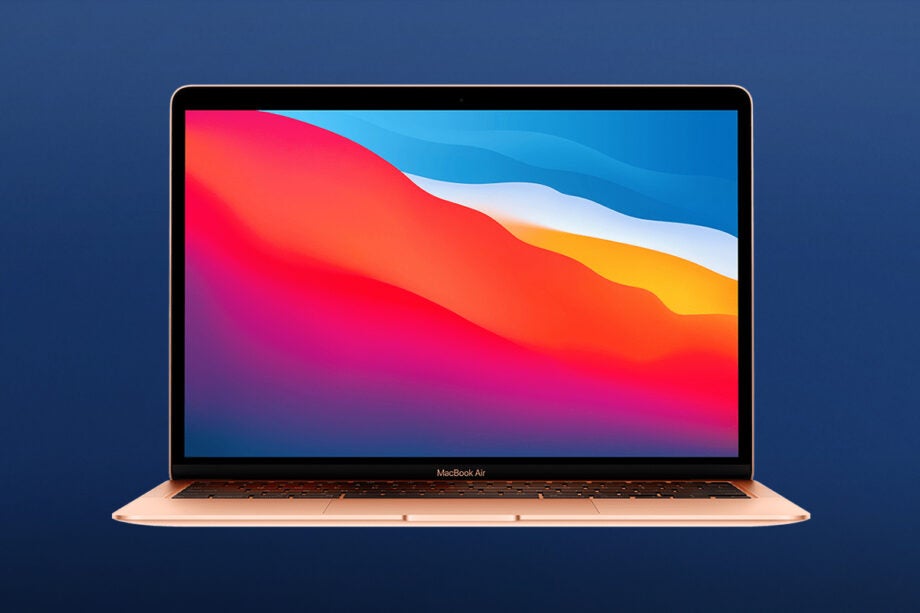
The M1‑powered MacBook Air first hit store shelves in late November 2020, shortly after Apple’s virtual “One More Thing” event on November 10. In the United States it arrived on November 17, while most other regions saw shipments within the next week. The timing was deliberate: Apple wanted the new Air to be a holiday‑season centerpiece, giving shoppers a compelling alternative to Windows ultrabooks.
Because the launch was worldwide, the exact date varied by country, but the consensus among retailers was a rollout window between November 17 and November 24 2020. If you’re checking your receipt or order confirmation, look for a date in that range to verify you bought the original M1 model.
Key Specs That Define the New Air
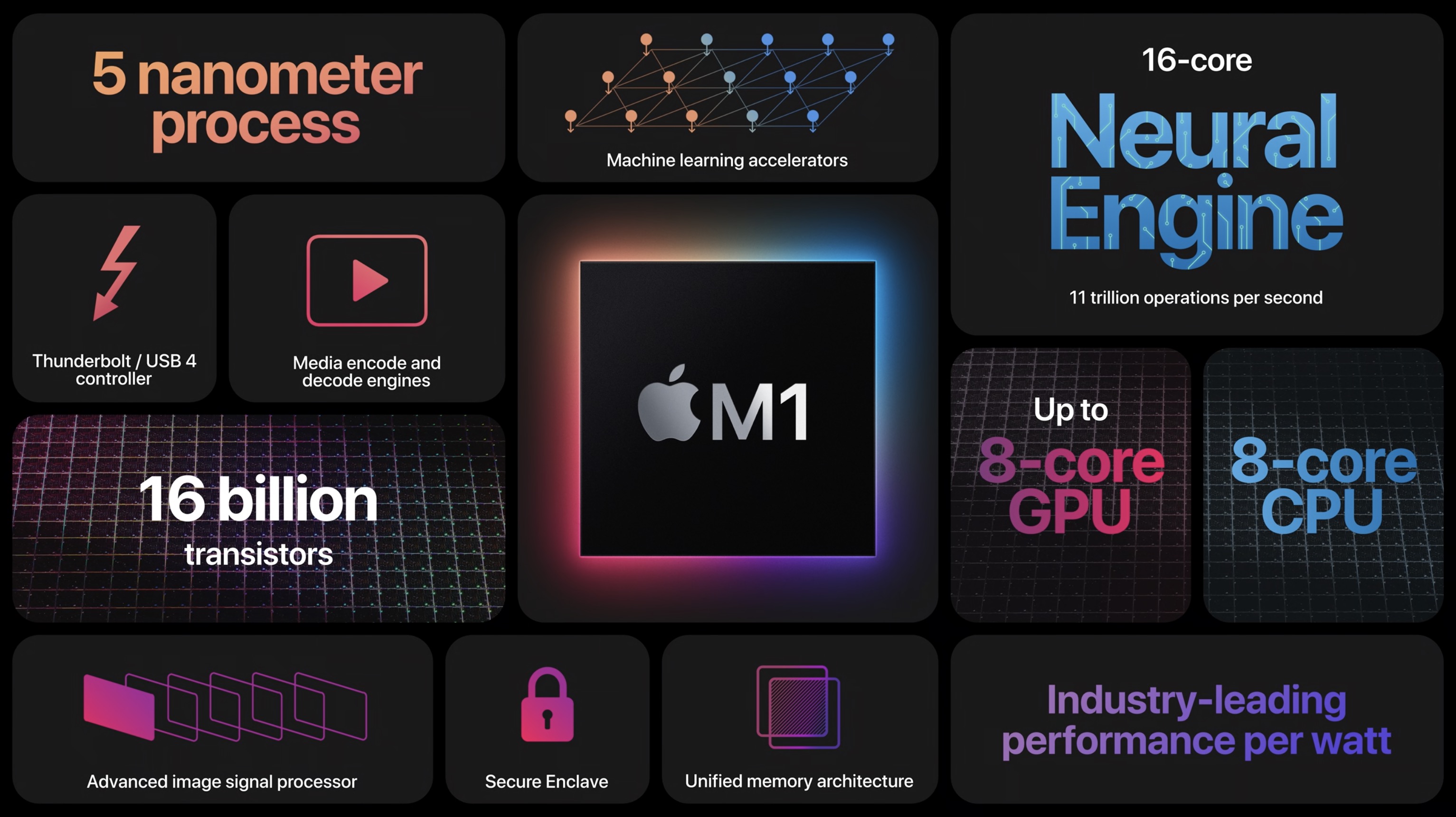
At the heart of the redesign sits Apple’s first‑generation M1 system‑on‑chip, which combines an 8‑core CPU (four high‑performance cores and four efficiency cores) with an integrated 7‑core GPU in the base configuration. The chip’s unified memory architecture means the CPU, GPU, and Neural Engine all draw from the same RAM pool, reducing latency.
Apple offers 8 GB of LPDDR4X memory as standard, with a 16 GB option for power users. Storage starts at 256 GB SSD and scales up to 2 TB, all using a fast NVMe interface. The 13.3‑inch Retina display retains its 2560 × 1600 resolution, 227 ppi density, and supports the P3 wide‑color gamut with True Tone technology.
Battery life is a headline feature: Apple advertises up to 15 hours of web browsing or 18 hours of video playback on a single charge. The fanless chassis keeps the notebook whisper‑quiet, even under sustained workloads. Connectivity includes two Thunderbolt / USB 4 ports, a 3.5 mm headphone jack, and Wi‑Fi 6 support.
How the M1 Changes Everyday Use
For most tasks—email, web surfing, office suites—the M1 Air feels instantly responsive. Apps that have been optimized for Apple Silicon launch in native mode, delivering performance that often exceeds the previous Intel‑based Air by a factor of two or more. Even non‑optimized software runs through Rosetta 2, which Apple says translates Intel code with less than a 10 % performance penalty in most cases.
Battery endurance is another game‑changer. Users report a full day of mixed‑use without reaching the charger, a stark contrast to the roughly 10‑hour real‑world usage of the 2020 Intel model. The lack of a cooling fan also means the chassis stays cool on a lap, making the Air genuinely portable for students and travelers.
What to Expect in Future Updates
Although the M1 Air remains a solid choice, rumors have circulated about an M2 refresh that could bring a brighter display, a slightly larger chassis, and an upgraded GPU core count. Apple typically refreshes its laptop line every 12‑18 months, so a successor may appear within a year or two of the original launch.
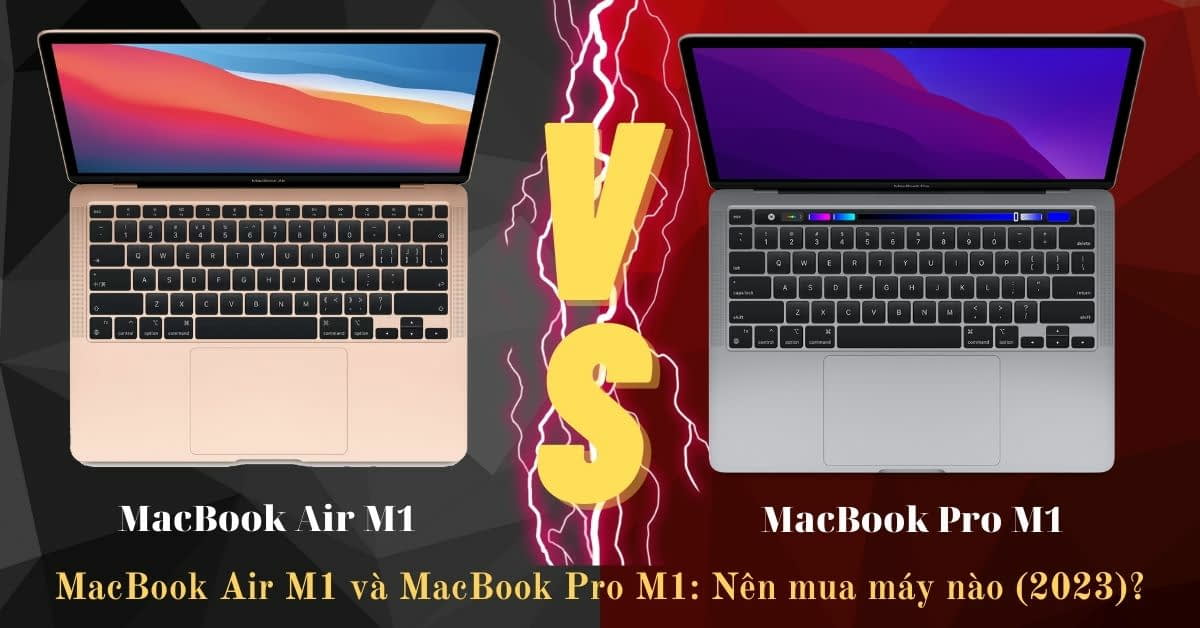
Even without a hardware refresh, Apple regularly pushes macOS updates that improve M1 efficiency and add new features—like better external‑monitor support. So the current Air will likely stay relevant for several years, especially for users who prioritize a lightweight form factor over the absolute cutting‑edge performance of a Pro‑class machine.
Should You Upgrade Now?
If you’re still on an Intel‑based MacBook Air (especially the 2018‑2020 models), the jump to M1 brings noticeable gains in speed, battery life, and heat management. The price point, often hovering around $999 for the base model at launch, makes it an attractive upgrade for students and professionals alike.
However, if you already own the M1 Air and your workflow is modest—document editing, web browsing, streaming—there’s little urgency to replace it. The device’s performance ceiling is still sufficient for most everyday tasks, and the resale market for the M1 Air remains healthy, allowing a future trade‑in if you decide to upgrade to an M2 or higher‑end MacBook Pro.
Frequently Asked Questions
- Is the M1 MacBook Air compatible with all my existing apps? Most popular apps have been updated for Apple Silicon. For those that haven’t, Rosetta 2 provides seamless translation, though you may notice a slight slowdown with very CPU‑intensive programs.
- Can I connect more than one external monitor? Out of the box, the M1 Air supports a single external display up to 6K resolution. Users who need multiple monitors typically turn to a dock that leverages DisplayLink drivers, though this adds extra complexity.
- Does the fanless design affect performance under heavy loads? The M1’s efficiency cores handle background tasks while the high‑performance cores kick in for demanding workloads. Because the chip is built on a 5 nm process, it can sustain short bursts of intensive work without overheating, though sustained heavy rendering may throttle slightly to stay within thermal limits.
- Will the battery last a full workday? In real‑world tests, users report 9–11 hours of mixed usage—emails, video calls, and occasional spreadsheet work—before needing a recharge, comfortably covering a typical eight‑hour workday.