Magnetic Lifting Devices: A Comprehensive Guide to Safe Handling
Handling heavy ferromagnetic materials without the right tools is a recipe for disaster. In industries ranging from scrap metal recycling to steel manufacturing, efficiency and safety walk hand in hand. This is where the magnetic plate lifting device becomes an indispensable asset. But what exactly is it, and how does it differ from the simple handheld magnets you might use to hang notes on a fridge?
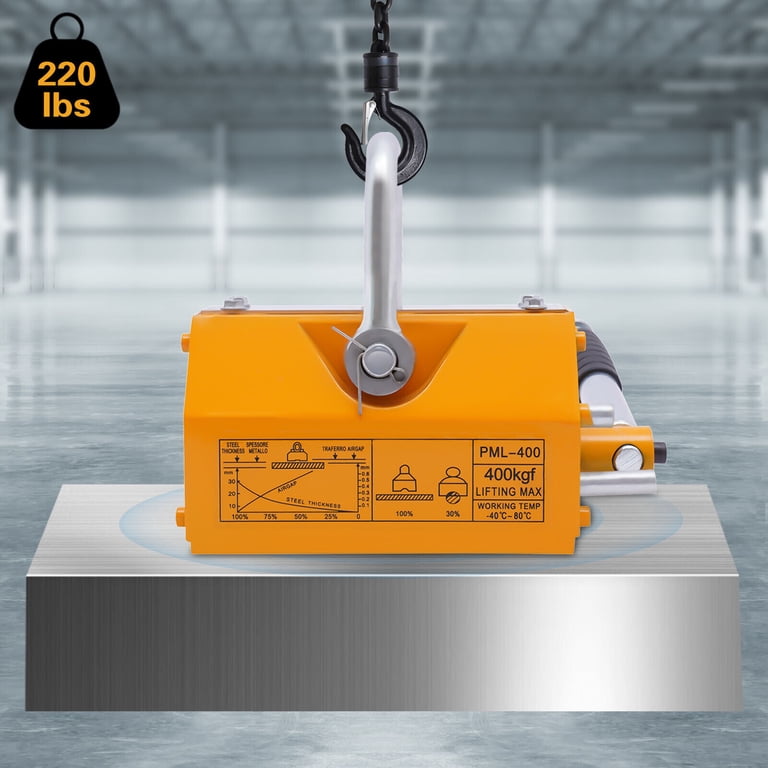
The term magnetic plate lifting device refers to a specialized industrial tool designed to hoist, move, and position heavy loads of steel, iron, or other magnetic metals. Unlike basic magnets, these devices incorporate complex magnetic circuits, often utilizing neodymium or high-grade alnico alloys, to generate immense holding forces. They come in various forms, including manual electromagnets and permanent magnetic chucks, each serving distinct operational needs.
Understanding the Mechanics
At its core, a magnetic lifting device works by creating a closed magnetic circuit. When engaged, the magnetic field passes through the plate, into the load being lifted, and back into the device. This creates a powerful attraction that holds the material securely. The "plate" aspect refers to the flat, broad surface contact area, which distributes the magnetic flux evenly across the bottom of the load.
There are two primary types you will encounter in the field:
- Permanent Magnetic Lifting Plates: These rely on permanent magnets. Activation is mechanical, usually via a lever or switch that rotates the magnets to align or misalign their poles. When aligned, the magnetic flux loops internally, leaving minimal residual field on the lifting face. When rotated, the flux extends outward, gripping the load. A massive advantage here is safety: there is no power source required to hold the load. If electricity fails, the magnet keeps its grip.
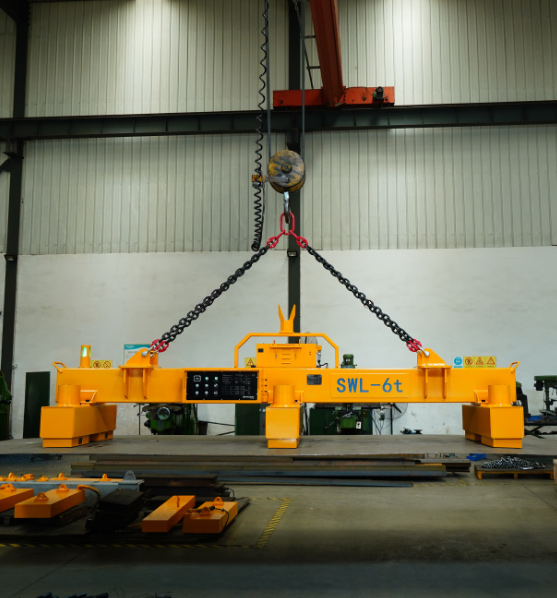
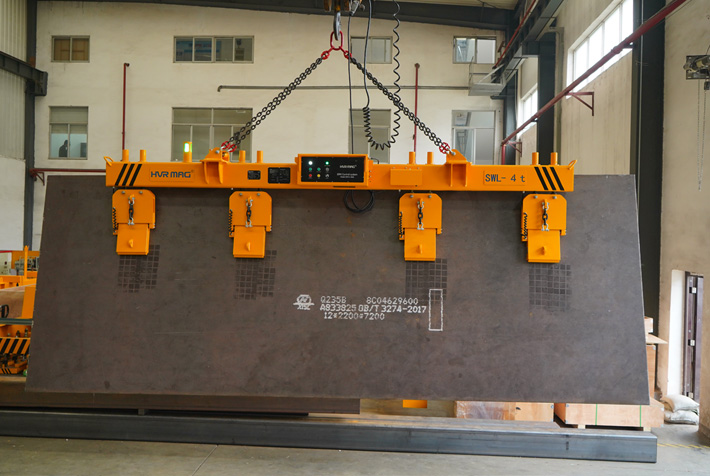
- Electromagnetic Lifting Plates: These use electric current to generate the magnetic field. They offer continuous adjustability of holding force and can be switched off instantly to release the load. However, they require a constant power supply. For critical lifts, they are often paired with battery backups to ensure safety during power outages.
Choosing between these two depends on your operational environment. If you are working in an area with unstable power grids or hazardous conditions where electrical sparks are a risk, permanent magnets are the safer bet. If you need rapid release cycles or variable force control, electromagnets shine.
Key Components and Design Features
A robust magnetic plate lifting device is more than just a big magnet. It’s an engineered system designed for durability and safety.
The lifting plate itself is typically made of high-grade structural steel. Its surface may be smooth for flat sheets or patterned with cleats or lugs for improved grip on textured or irregular surfaces. The thickness of the plate affects the magnetic circuit’s efficiency; too thin, and you risk magnetic saturation or reduced holding capacity on thicker loads.
Attached to the plate is the magnetic head, which houses the magnet assembly or coils. This section is often reinforced to withstand shock loads and abrasive friction. For permanent magnets, the actuation mechanism—often a gear-driven switch—is located on top or the side of the unit, allowing operators to engage or disengage the field from a safe distance.
Finally, the lifting eye or shackle connects the device to the crane or hoist. This connection point undergoes rigorous stress testing to ensure it can handle the rated load capacity, including safety factors typically ranging from 3 to 4 times the maximum lift weight. Safety chains or tethers are often included to prevent the device from swinging or falling if the primary connection fails.
Safety First: Load Securing and Stability
Regardless of the technology, safety is paramount. Magnetic lifters are susceptible to slip if the surface conditions are poor. Rust, paint, scale, or debris between the plate and the load can significantly reduce holding force. Industry standards dictate that the contact surface must be clean and dry.
Additionally, the angle of lift matters. Most magnetic plates are designed for vertical lifting. Attempting to lift at steep angles can cause the load to slide out from under the plate due to gravity’s lateral component. Always consult the manufacturer’s rating charts for angular reductions in capacity.
Pre-load testing is also crucial before initial use. Verify that the magnet engages fully and that the load does not move when the device is tilted slightly. This simple check can prevent catastrophic drops.
Applications Across Industries
Magnetic plate lifting devices are versatile workhorses. In scrap yards, they are used to sort and move bundles of shredded steel, reducing manual handling risks and speeding up processing times. The plate design allows for quick engagement and release, perfect for handling large volumes of lighter, irregular pieces.
In steel fabrication, they handle coils, sheets, and plates. Here, precision is key. Operators need to position materials accurately for cutting or welding. Magnetic lifters provide the stability needed to hold large, slippery steel sheets without warping or damaging the surface, thanks to the even pressure distribution of the plate.
The shipbuilding and demolition industries also rely heavily on these tools. In demolition, powerful electromagnetic lifters can break down structures by lifting large sections of steel framework. The plate design helps stabilize large, flat components like wall panels or roof sections, allowing for controlled descent or removal.
Maintenance and Longevity
To maximize the lifespan of your magnetic lifting device, regular maintenance is non-negotiable. For permanent magnets, check the actuation mechanism for wear or debris buildup. Lubricate moving parts according to the manufacturer’s specifications. Inspect the lifting plate for cracks, pitting, or excessive wear, as these can compromise the magnetic circuit and holding power.
For electromagnets, inspect the cabling for cuts or abrasion. Ensure the cooling system, if applicable, is functioning correctly to prevent overheating, which can demagnetize coils or damage insulation. Always store the device in a dry, clean environment to prevent corrosion.
Frequently Asked Questions
How much weight can a magnetic plate lifting device hold?
The lifting capacity varies widely based on the size of the plate and the type of magnet used. Small handheld devices might lift a few kilograms, while industrial units can handle tens of thousands of kilograms. Always refer to the device’s rated load capacity and apply the appropriate safety factor specified by the manufacturer.
Can magnetic lifters work with aluminum or copper?
No. Magnetic lifting devices only work with ferromagnetic materials like iron, steel, and certain grades of stainless steel. Non-magnetic metals such as aluminum, copper, brass, and titanium cannot be lifted with standard magnetic devices. Specialized adapters or alternative lifting methods are required for these materials.
What should I do if the power fails while using an electromagnetic lifter?
Most industrial electromagnetic lifters are equipped with uninterruptible power supplies (UPS) or battery backups to maintain the magnetic field for a specified period during a power outage. This allows time to safely lower or move the load. Regular testing of the backup system is essential to ensure it functions correctly in an emergency.
How do I know if my magnetic lifter is safe to use?
Perform daily visual inspections for damage, wear, or cracked cables. Conduct pre-use testing to verify engagement and release functions. If the device fails to engage fully, releases unexpectedly, or shows signs of physical damage, remove it from service immediately and send it for professional inspection and repair.