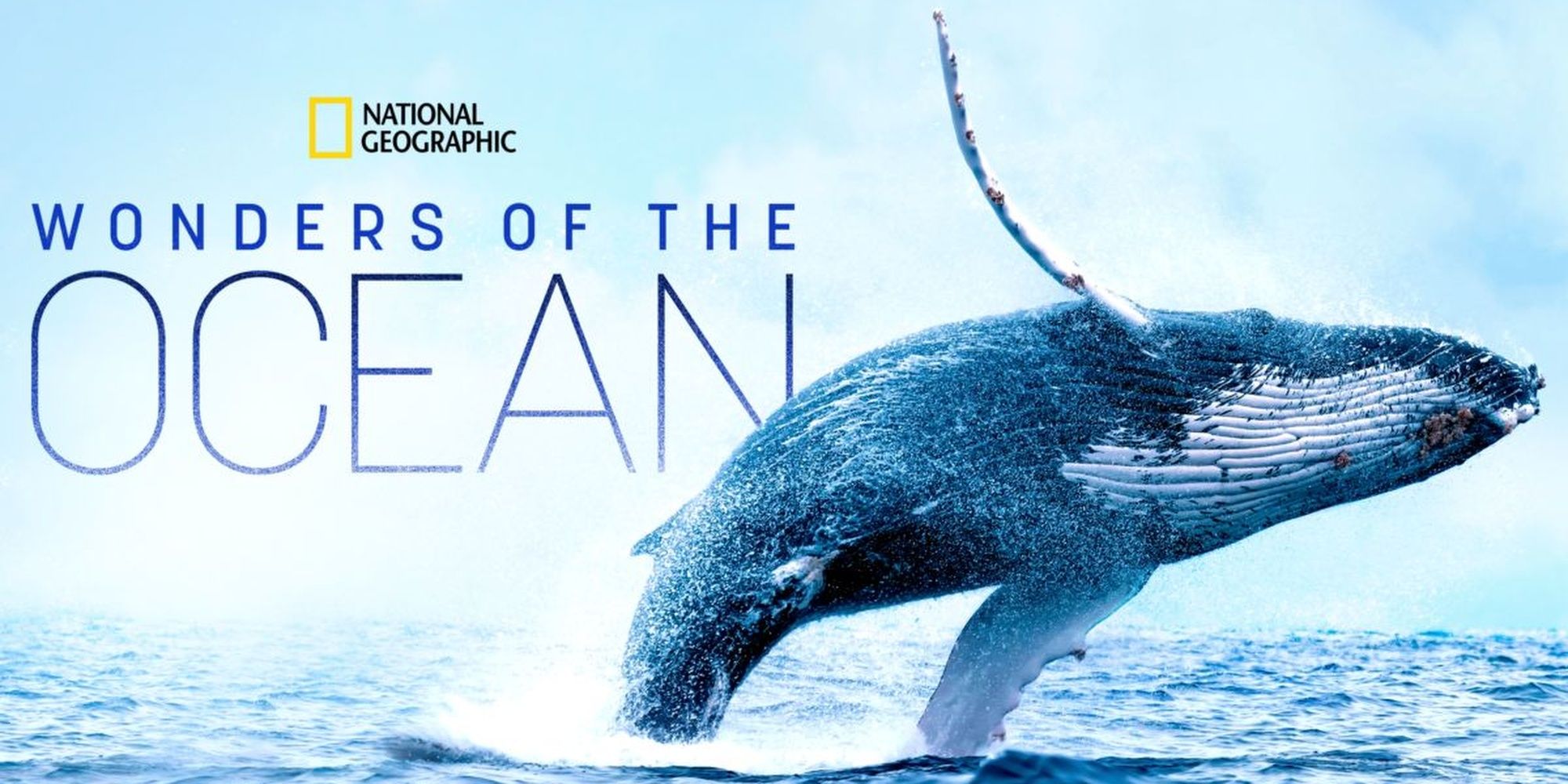
Making Animal Documentaries: A Deep Dive Into Wildlife Filmmaking
There is something almost magical about watching a lioness stalk through the tall grass, or a polar bear navigated by instinct across an ice sheet. These moments captivate millions of viewers, but they are rarely just happy accidents. Behind every frame of a captivating nature installment lies months, sometimes years, of meticulous planning, physical endurance, and ethical deliberation. Making animal documentaries is less about pressing a button and more about becoming an invisible part of the ecosystem you are trying to depict.
The Art of Invisible Observation
The core challenge in wildlife filmmaking is proximity without intrusion. If the animal sees you, the behavior you are trying to capture often vanishes. This is why the phrase "shooting from the hip" is literal in this industry. Filmmakers spend countless hours building blinds—camouflaged shelters that blend seamlessly into the terrain. These aren’t just boxes; they are engineering marvels designed to withstand weather, hide human scent, and provide a steady platform for heavy camera gear.
Patience is the most undervalued skill in the trade. You might sit for three days without seeing a single rare bird. Then, on the fourth day, the light hits perfect, the wind dies down, and the subject appears. It requires a mental fortitude that few understand. It is not enough to be a good cameraperson; you must be a naturalist too. You need to understand migration patterns, breeding seasons, and feeding habits to predict where action will happen before it happens.
Technology as an Ethical Tool
Modern gear has changed the landscape of nature storytelling. Fixed-camera systems, like those produced by GoPro or specialized wildlife brands, allow teams to set up gear in dangerous areas and return weeks later. This reduces the number of people on the ground, lowering the ecological footprint. Drones have added a new dimension, offering aerial perspectives that were once impossible without helicopters, which are loud and disruptive.
However, technology introduces new ethical dilemmas. A drone hovering too low can stress seabird nesting colonies. A flash on a weak camera can blind a nocturnal predator. The line between innovative footage and animal harassment is thin. Responsible filmmakers prioritize the well-being of the subject over the shot. If a piece of equipment causes stress, it gets packed away. The integrity of the narrative depends on the authenticity of the behavior, which only happens when the animal feels safe.
Working Under Extreme Conditions
Let’s be real: the locations are brutal. You are often working in places where humans are not welcome—or even capable of surviving without significant support. Filming in the Amazon means dealing with humidity that rots electronics and insects that seek out exposed skin. Shooting in the Arctic means battling cold that drains batteries in minutes and freezes lenses opaque within seconds.
Logistics are a nightmare. Getting a three-ton truck with generators, satellite phones, and safety medical kits into a remote valley often requires more funding than the actual production budget. Crews must be self-sufficient. There is no delivery service. If you run out of coffee or diesel, you are stuck until the next window opens. This isolation fosters a unique camaraderie among crews. You rely on each other for safety and sanity.
The Editing Puzzle
Capturing the footage is only half the battle. Wildlife documentaries are notoriously difficult to edit because nature does not follow a script. You might have 200 hours of footage of a bird doing nothing, and three minutes of dramatic interaction. The editor’s job is to find the story within the chaos.
Editors look for narrative arcs. They might spot a subtle interaction in one clip that connects to a larger theme in another. Sound design plays a massive role here. The roar of a wave, the chittering of insects, and the eerie silence of a desert night build immersion. Without careful sound layering, the visuals feel flat. The goal is to make the viewer feel the temperature of the air and the tension in the moment.
Ethical Storytelling and Conservation
Today, animal documentaries carry a heavy responsibility. Audiences are more aware of conservation issues than ever before. Simply showing beautiful animals is no longer enough. There is a growing demand for context. Why is this habitat shrinking? What climate pressures are affecting this migration? The best modern films weave science and urgency into the narrative without being preachy.
There is also the issue of anthropomorphism. It is tempting to give animals human motivations—jealousy, revenge, love. While this makes for engaging TV, it can distort public understanding of behavior. Ethical filmmakers strive to present accurate behavioral ecology while still keeping the audience engaged. It is a delicate dance between entertainment and education.
FAQ
How long does it typically take to make a wildlife documentary?
Production timelines vary wildly. A short segment for a TV series might take three months of filming and two months of editing. A major feature film, especially one tracking a specific lifecycle or migrating species, can take several years. The wait is often dictated by nature, not the crew.
Do filmmakers ever interfere with animal behavior?
Professional standards strictly forbid interfering with behavior for the sake of a shot. Reputable organizations adhere to codes like the GPM Best Practice Guidelines. While minor interventions for safety (like moving a trapped animal) may occur, manipulating behavior for dramatic effect is considered unethical and damaging to the industry’s credibility.
What is the most important piece of gear for wildlife filming?
While cameras are obvious, many filmmakers argue that a high-quality lens is more critical. Telephoto lenses allow you to capture intimate details from a safe distance. However, the most important "tool" is often considered to be binoculars, used for scouting and understanding the scene before ever raising the camera.
Is it dangerous to work in the field?
Yes, there are inherent risks. Beyond the wildlife itself, the environment poses threats. Remote locations mean limited access to medical care. Extreme weather, terrain hazards, and political instability in certain regions add layers of risk. Professional crews undergo rigorous safety training and maintain detailed emergency protocols.