Master Pickleball: The Ultimate Guide to the Hottest Sport
If you’ve heard the buzz around pickleball and wondered what all the excitement is about, you’re not alone. From community centers to college campuses, this fast‑growing game is drawing in everyone from retirees to TikTok influencers. Below is a down‑to‑earth rundown that takes you from the very first serve to the subtleties that keep seasoned players coming back for more.
Why Pickleball Is Booming
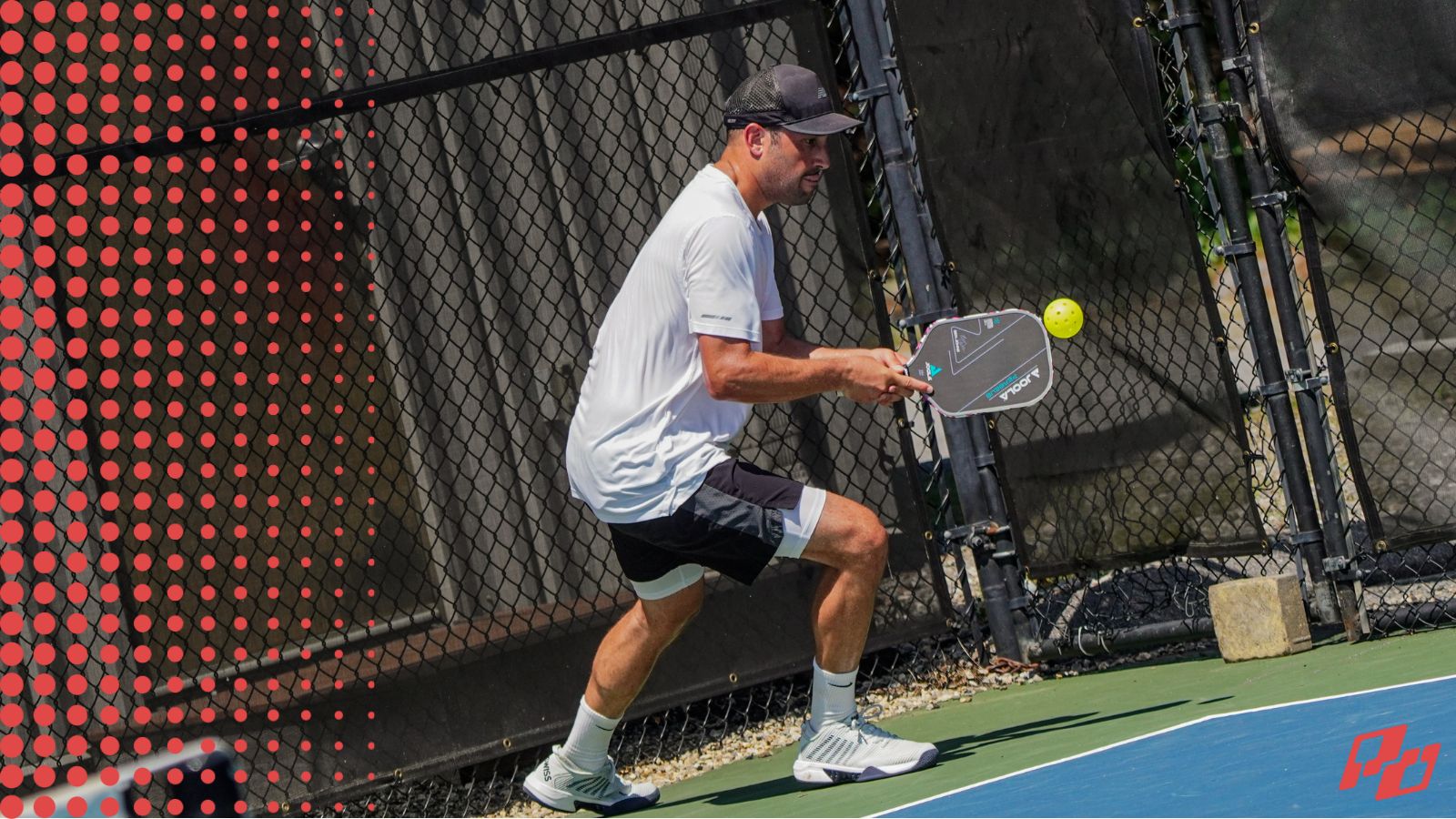
There are a few reasons this racket‑sport has exploded in popularity. First, the learning curve is surprisingly gentle; most newcomers can rally within a single practice session. Second, the court size—just 20 × 44 feet—means it fits into existing tennis or basketball spaces, so venues can add a few nets without a major renovation. Finally, the social vibe is hard to ignore: matches are short enough to keep conversations flowing, and the inclusive scoring system encourages mixed‑age and mixed‑skill play.
Getting Started: Gear and Basics
Before you step onto the court, you’ll need a few essentials. A paddle made of composite material or wood, a pack of perforated plastic balls (often called “wiffle balls”), and appropriate footwear are the core items. Here’s a quick checklist:
- Paddle: Look for a weight you can comfortably swing; beginners usually gravitate toward 7‑8 ounces.
- Ball: Outdoor balls have smaller holes to reduce wind impact, while indoor balls feature larger holes.
- Shoes: Low‑profile court shoes with good lateral support help prevent ankle twists.
Most community centers offer starter kits for a reasonable fee, so you can test the waters before investing in high‑end gear.
Fundamental Rules and Scoring
Pickleball blends elements of tennis, badminton, and ping‑pong, but its rulebook is delightfully succinct. Games are typically played to 11 points, and you must win by a two‑point margin. Only the serving side can score points; if the receiving side wins a rally, they simply earn the right to serve.
The court is divided by a non‑volley zone—often called “the kitchen”—that stretches seven feet from the net on each side. Players cannot volley the ball while standing in this zone, which encourages strategic dink shots and reduces aggressive smashes near the net.
Tips to Improve Your Game
Even if you’ve mastered the basics, there’s always room for refinement. Consider these proven tactics:
- Master the dink. Soft, controlled shots that land in the kitchen force opponents to move forward, setting you up for a put‑away.
- Use a balanced stance. Keep your weight centered over your feet; this improves reaction time for quick volleys.
- Practice the third‑shot drop. After the serve and return, a gentle lob over the kitchen can reset the rally and put pressure on the opponents.
- Watch the opponents’ paddle angle. A slight open face often signals a defensive shot; adjusting your positioning accordingly can turn a neutral rally into a point.
Video analysis has become a popular tool; recording a few games and reviewing them can highlight subtle habits you might otherwise miss.
Where to Play: Finding Courts Near You
One of pickleball’s biggest perks is its accessibility. Many municipalities have added dedicated lines to existing tennis courts, and private clubs are increasingly reserving space for the sport. A quick online search for “pickleball courts near me” usually pulls up a map of public parks, senior centers, and even some gyms that have converted spaces.
If you’re in a larger city, check local Meetup groups or Facebook pages—these communities often organize open play sessions, beginner clinics, and friendly tournaments. For those who prefer a more structured environment, the USA Pickleball Association maintains a searchable directory of certified venues.
Equipment Care and Upkeep
To keep your paddle performing at its best, wipe it down after each session to remove sweat and dust. Store it in a protective sleeve rather than leaving it in direct sunlight, which can warp the surface over time. As for the balls, they’ll lose bounce after a few weeks of regular play; having a spare pack on hand ensures you never have to pause a rally.
Common Misconceptions
Many newcomers assume pickleball is just a “kids’ game,” but the reality is far different. Competitive leagues exist at the national level, with prize money and sponsorships. Another myth is that the sport is too easy for serious athletes; on the contrary, the rapid reflexes and strategic positioning required can be quite demanding, especially in high‑stakes matches.
Getting Involved Beyond the Court
Beyond playing, you can contribute to the sport’s growth. Volunteer as a line judge at local tournaments, help organize community clinics, or even start a “pick‑up” night at your local park. The more players and supporters there are, the richer the pickleball community becomes.
Frequently Asked Questions
Do I need prior tennis experience to enjoy pickleball?
Not at all. While familiarity with racket sports can shorten the learning curve, the simple rules and smaller court make it easy for absolute beginners to pick up quickly.
How long does a typical pickleball match last?
Most recreational games finish within 15‑20 minutes, though tournament matches can stretch longer due to extended deuce situations.
Is there an official dress code?
Generally no strict dress code exists, but most players wear athletic wear and non‑marking court shoes. Some venues may request modest attire for indoor play.
Can I play pickleball outdoors in cold weather?
Yes, provided the ball isn’t too hard and the surface isn’t icy. Many players switch to indoor venues during winter months, but a light wind can actually add an interesting element to outdoor games.