Mastering Basketball Passes: The Ultimate Step‑By‑Step Guide
Why Good Passing Is the Backbone of Any Team
When you watch the best squads in the world, the ball moves like a well‑orchestrated river—smooth, purposeful, and rarely wasted. Basketball passes are more than a way to get the ball from point A to point B; they create rhythm, open up scoring chances, and keep defenses honest. A team that can read its teammates and deliver the ball accurately often outplays a more athletic squad that simply relies on isolation plays.
Fundamental Types of Basketball Passes
Every player should be comfortable with at least four core passes. Each serves a distinct purpose, and mastering them expands the offensive toolbox.
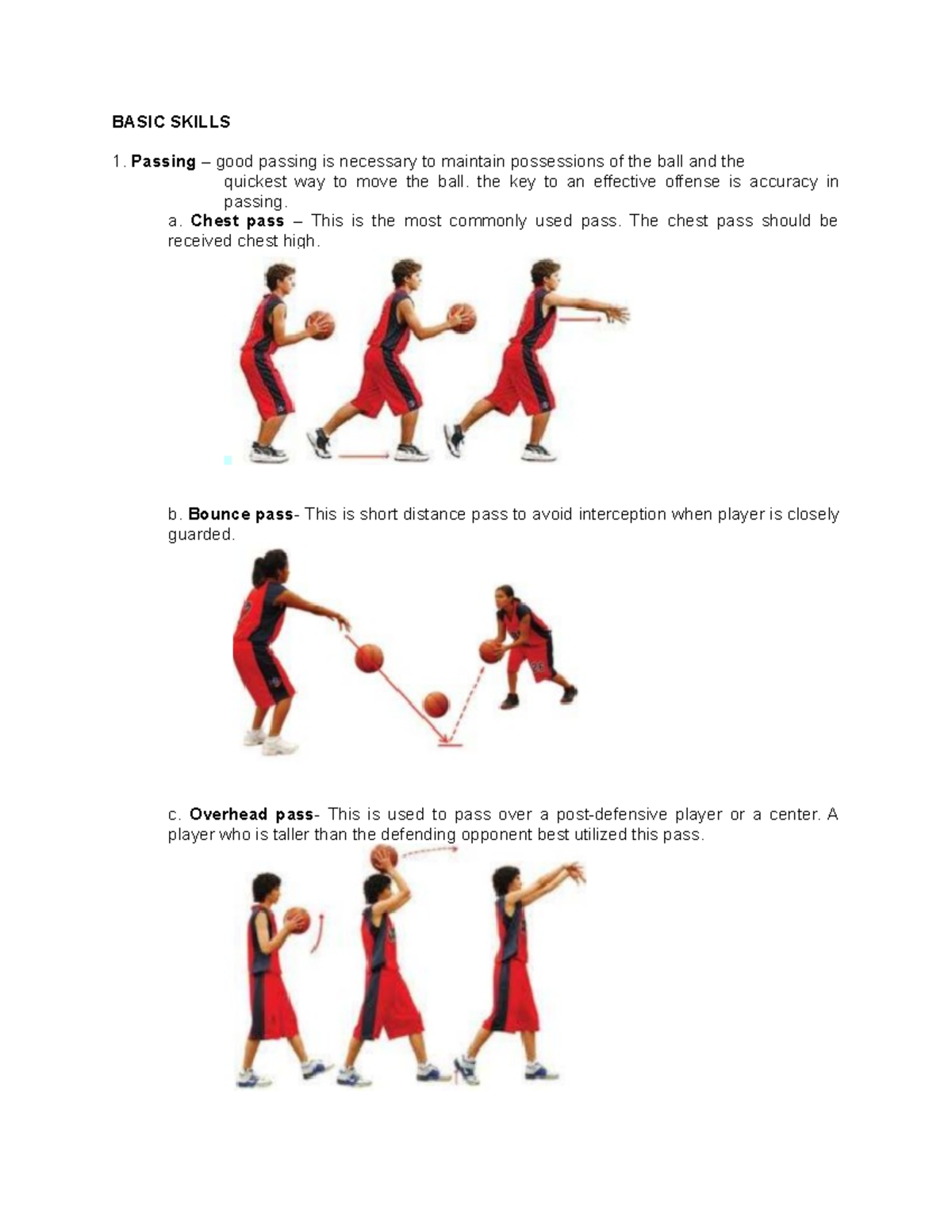
- Chest Pass – The workhorse. Delivered with both hands from the chest, it’s fast, straight, and ideal for short‑range teammates.
- Bounce Pass – Perfect for slipping under a defender’s arms. The ball hits the floor about two‑thirds of the way to the receiver.
- Overhead Pass – Used when you need to clear a taller defender or cover a longer distance. The ball leaves from above the head with a flick of the wrists.
- One‑hand (or Baseball) Pass – A long, powerful throw useful for fast breaks or when you’re far from the basket.
Step‑by‑Step: How to Perfect Each Pass
Practice makes perfect, but a structured approach speeds things up. Below are quick drills you can run alone or with a partner.
Chest Pass Drill
Stand about six feet apart. Focus on:
- Fingers spread, thumbs forming a “W” shape.
- Push from your legs, snap wrists, and follow through toward the receiver’s chest.
- Count how many consecutive passes land without the ball hitting the floor.
Bounce Pass Drill
Mark a spot on the floor two feet in front of you. Toss the ball so it bounces exactly on that mark before reaching your partner. Adjust the angle if the ball overshoots or falls short. This builds feel for the correct height and speed.
Overhead Pass Drill
Raise the ball above your head, elbows slightly bent. When you release, let the ball travel in a gentle arc that peaks above the defender’s reach. Practicing against a wall can help you gauge the needed force.
One‑hand Pass Drill
Start near the three‑point line. Grip the ball with your dominant hand, step forward, and snap it like a baseball throw. Aim for a teammate positioned near the half‑court line. This drill improves arm strength and accuracy for long‑range outlets.
Common Mistakes and How to Fix Them
Even seasoned players slip into bad habits. Spotting and correcting them early saves a lot of frustration.
- Rushing the Pass – When you hurry, the ball often goes off‑target. Slow down, plant your feet, and let the motion flow.
- Insufficient Follow‑Through – A weak flick leaves the ball wobbling. Imagine reaching toward a target beyond your receiver to ensure a clean release.
- Looking at the Defender Instead of the Receiver – It’s tempting to watch the opponent, but you’ll miss the open teammate. Keep your eyes on the intended target until the ball leaves your hands.
- Using Too Much Force – Over‑throwing can cause turnovers. Adjust power based on distance; a short pass needs barely a nudge, while a long pass deserves a firm snap.
Putting It All Together on the Court
In a live game, you won’t have the luxury of isolated drills. The trick is to weave the fundamentals into the flow of play. Start by scanning the floor before you receive the ball—identify potential passing lanes, note where defenders are overcommitting, and keep your hands ready. When you catch the ball, make a quick decision: chest pass for a nearby guard, bounce pass to slip past a tall forward, or overhead pass if a defender blocks the straight line. The more you practice each pass in a controlled setting, the more instinctive these choices become during a fast‑paced match.
Finally, communicate. A simple “I’ve got you” or “Switch” tells your teammate you’re ready, reduces hesitation, and speeds up ball movement. Good communication paired with solid technique turns a decent offense into a relentless one.
FAQ
What is the best pass for breaking a full‑court press?
Usually a quick overhead or one‑hand pass to a teammate sprinting toward the half‑court. The high trajectory helps the ball clear the pressing defenders.
How many minutes should I spend on passing drills each practice?
Even 10–15 minutes of focused, high‑intensity passing work can yield noticeable improvement, especially if you repeat each drill with purposeful repetitions.
Can I use the same passing technique when playing guard and forward?
The fundamentals stay the same, but forwards often rely more on bounce and overhead passes to navigate larger defenders, while guards favor quick chest passes to maintain tempo.