Mastering Jump Scares: The Ultimate Guide to Spooky Images
What Makes a Jump Scare Work?
At its core, a jump scare is a sudden shock that hijacks the viewer’s expectations. The brain anticipates a calm moment, then—boom!—a jarring visual or sound snaps attention back. This contrast between tension and release is what makes the effect memorable. A well‑timed jump scare doesn’t rely solely on loud noises; lighting, composition, and even the surrounding silence all play a part. When the viewer feels safe, the unexpected image feels all the more invasive, leaving a lingering sense of unease.
Key Elements of a Spooky Image
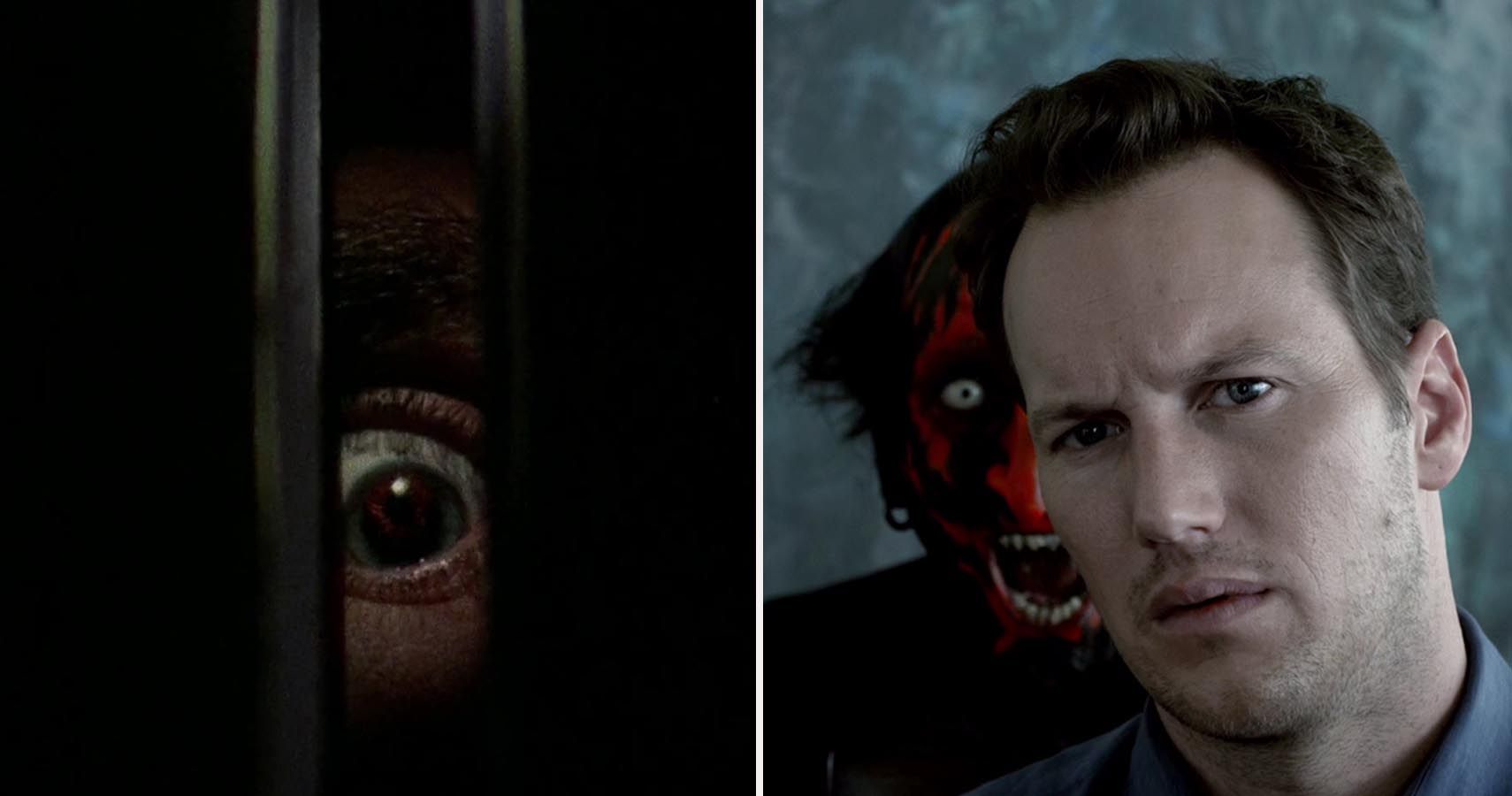
Creating a genuinely creepy picture isn’t about slapping a mask on a mannequin and calling it a day. First, consider lighting: harsh shadows or a single, flickering source can hide details and tease the imagination. Second, think about color palette. Desaturated tones, a dash of sickly green, or a sudden splash of blood red can set an unsettling mood. Third, the subject’s posture matters—a slightly off‑kilter pose suggests something is “not right.” Finally, the background should be suggestive, not overly busy; a vague hint of a doorway or a distant silhouette adds depth without stealing focus.
Crafting the Perfect Timing
Timing is the silent partner of every jump scare. Too early, and the audience anticipates the pattern; too late, and the shock fizzles. Most creators aim for a buildup of 5–12 seconds of calm before the reveal. During that window, subtle audio cues—a faint creak, a distant heartbeat—can prime the mind. When the moment arrives, a rapid cut or a sudden zoom amplifies the surprise. Some seasoned filmmakers even use a “false alarm,” a small, harmless flash that makes the viewer brace, only to hit harder a beat later.
Tools and Techniques for Horror Creators
Modern software makes it easier than ever to layer fear into an image. Programs like Adobe Photoshop or GIMP let you manipulate shadows with precision, while After Effects can add a quick, jittery camera shake for that extra jolt. For those who prefer free tools, DaVinci Resolve offers robust color grading, allowing you to push blues and greens into the shadows for a cold, eerie feel. Don’t overlook sound: a short, high‑frequency sting—often just a fraction of a second—can turn a visual jump scare into a full‑body reaction.
Common Mistakes and How to Avoid Them
One pitfall is overusing the jump scare. If every scene ends with a sudden shock, the audience becomes desensitized and the effect loses impact. Another error is relying on cliché imagery—a creepy clown or a sudden burst of static. While familiar, these tropes can feel stale unless given a fresh twist. Finally, neglecting the narrative context can make a scare feel gratuitous. The most effective scares are rooted in the story; they answer a question the viewer didn’t even know they were asking.
Putting It All Together: A Quick Workflow
- Conceptualize – Sketch a storyboard that highlights where tension will rise and fall.
- Set the Scene – Choose lighting, color, and props that suggest unease without revealing the climax.
- Build Audio – Layer ambient sounds that grow subtly louder as the scare approaches.
- Execute the Reveal – Use a rapid cut, a flash, or a sudden sound burst at the peak of anticipation.
- Refine – Test the sequence on a few viewers; adjust timing or visual intensity based on their reactions.
FAQs
- Q: How long should a jump scare last? A: The visual shock itself is usually just a fraction of a second, but the surrounding buildup should span 5–12 seconds to maximize impact.
- Q: Can I use jump scares in still images? A: Absolutely—by pairing a static, ominous picture with a sudden sound or a quick animation, you can simulate the same surprise effect.
- Q: Is there a rule for how often I should include jump scares? A: Most creators recommend spacing them out—one strong scare per 2–3 minutes keeps tension high without causing fatigue.
- Q: Do color choices really affect fear? A: Yes. Cooler hues like blues and greens often evoke dread, while a sudden burst of red can signal danger and heighten the scare.

![O presente de Spooky. [Spooky's House of Jump Scares] PARTE 02 - YouTube](https://i.ytimg.com/vi/vww5fmVWKt0/maxresdefault.jpg)