Mastering NLP: A Complete Guide to Advanced Graduate Degrees
Natural Language Processing (NLP) has moved from a niche research area to a core component of everyday technology—from chatbots that answer our questions to systems that translate languages in real time. If you’re wondering how to Master NLP and turn that expertise into a career, an advanced degree is often the most direct route. This guide walks you through the landscape of graduate programs, what to expect in coursework, and how to choose the path that aligns with your goals.
Why Pursue a Master’s in NLP?
A master’s degree offers a structured environment where theory meets practice. Unlike self‑study, you’ll have access to seasoned professors, cutting‑edge labs, and collaborative projects that mimic industry challenges. Most programs also embed a capstone or thesis, giving you a tangible showcase for future employers.
Beyond the credential itself, the degree serves as a bridge to specialized roles—machine‑learning engineer, computational linguist, AI product manager—that typically require deeper technical fluency than a bachelor’s alone can provide.
Typical Curriculum Elements
While each university tailors its syllabus, several core topics appear across most master’s tracks:
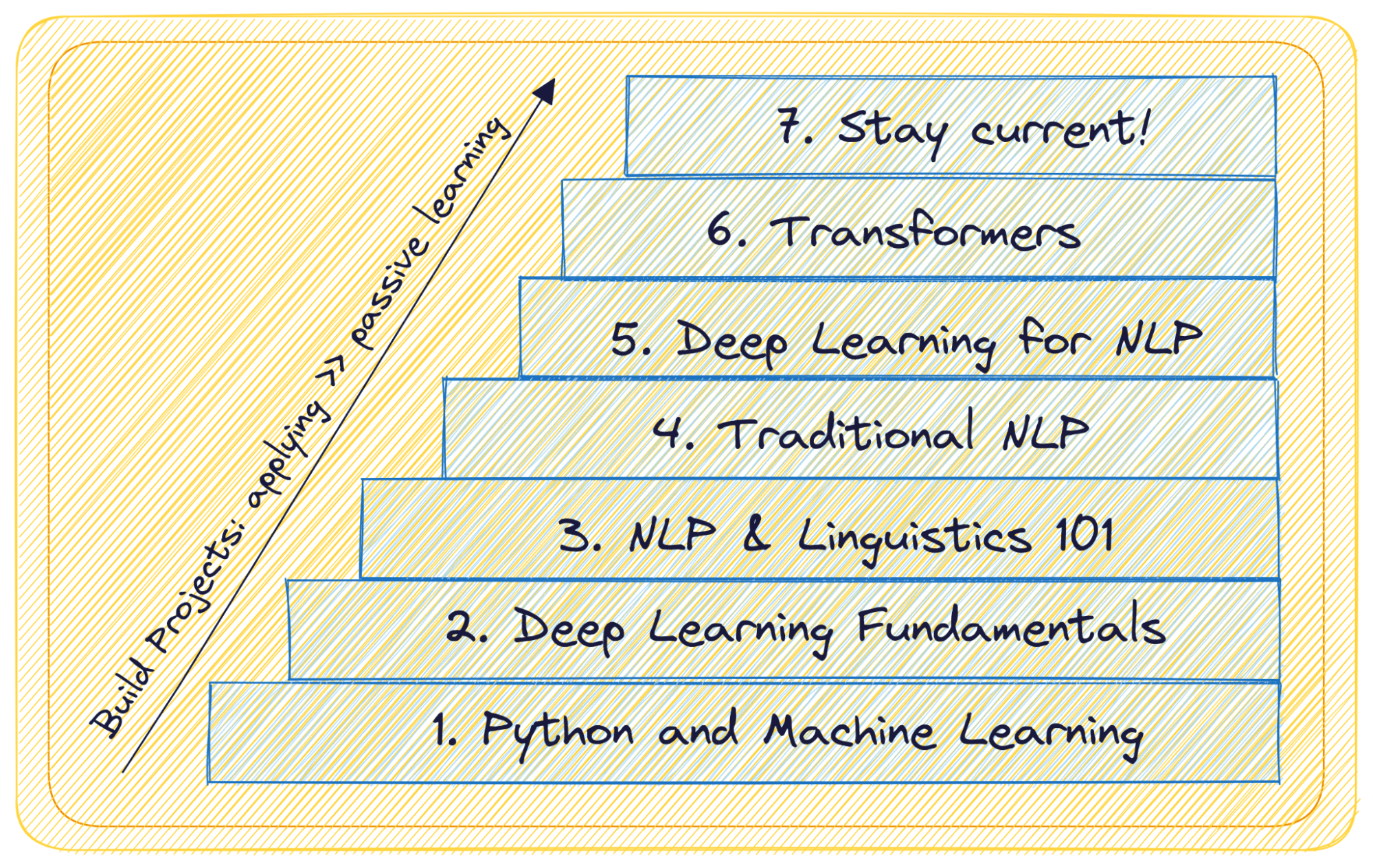
- Statistical Language Modeling: probability distributions that predict word sequences.
- Deep Learning for Text: neural architectures like Transformers that dominate modern NLP.
- Syntax and Semantics: linguistic foundations that help machines understand meaning.
- Data Annotation & Corpus Management: practical skills for building training datasets.
- Ethics and Bias Mitigation: critical discussions on fairness, privacy, and societal impact.
Electives often let you dive into sub‑areas such as speech recognition, information retrieval, or multilingual processing. Many programs also encourage internships or industry‑sponsored projects, providing a taste of real‑world pipelines.
Choosing the Right Program
Not all NLP degrees are created equal. Consider these factors before you apply:
- Faculty Expertise: Look for professors whose research aligns with your interests—whether it’s conversational AI, low‑resource languages, or explainable models.
- Industry Connections: Schools located near tech hubs (e.g., Boston, San Francisco, London) often have stronger internship pipelines.
- Program Structure: Some master’s are research‑heavy and feed directly into a PhD, while others are coursework‑focused with professional certifications.
- Funding Opportunities: Scholarships, teaching assistantships, or research grants can significantly offset tuition costs.
Beyond the Master’s: PhD and Interdisciplinary Paths
If you crave a deeper dive into original research, a PhD in NLP or a related field like Computer Science or Linguistics might be the next step. Doctoral studies typically require a master’s or an equivalent research portfolio, and they culminate in a dissertation that pushes the boundaries of what machines can understand.
Alternatively, some universities offer interdisciplinary degrees that blend NLP with fields such as psychology, law, or healthcare. These programs are ideal for professionals who want to apply language technology to domain‑specific problems—think legal document analysis or clinical note summarization.
Career Outlook and Salary Expectations
Graduates with advanced NLP credentials often land roles that command competitive salaries. According to industry surveys, median compensation for NLP engineers in the United States ranges from $110,000 to $150,000, with senior positions exceeding $180,000. While exact figures fluctuate by region and experience, the demand for expertise in language models remains robust.
Beyond pure technical tracks, alumni also move into product management, research consulting, or entrepreneurship—launching startups that leverage conversational agents or AI‑driven content creation tools.
Tips for Success During Your Studies
1. Start a Portfolio Early: Publish code on GitHub, write blog posts explaining concepts, and contribute to open‑source NLP libraries.
2. Engage with the Community: Attend conferences like ACL or EMNLP, join online forums, and network with peers.
3. Balance Theory and Implementation: While mathematical rigor is essential, practical experience with frameworks such as PyTorch or TensorFlow will set you apart.
4. Seek Real‑World Data: Working with noisy, domain‑specific corpora teaches you how to handle the messiness that industry data often presents.
Frequently Asked Questions
Do I need a computer‑science background to succeed in an NLP master’s?
Most programs expect familiarity with programming (usually Python) and basic algorithms. If your undergraduate degree is in linguistics or another non‑technical field, you may need to complete prerequisite courses in data structures or linear algebra.
How long does a typical master’s in NLP take?
Full‑time programs usually span 1‑2 years, depending on whether they include a thesis component or offer a flexible, part‑time schedule for working professionals.
Can I specialize in a particular language or domain?
Yes. Many universities allow you to focus your electives or research on low‑resource languages, biomedical text mining, or legal document analysis, tailoring the degree to niche interests.