Mastering Nursing KPIs: Real Examples and Tips to Excel
What Are Nursing KPIs and Why They Matter
In today’s data‑driven healthcare environment, nursing KPIs (key performance indicators) have become the language of quality and efficiency. They translate daily bedside actions into measurable outcomes, giving managers a clear picture of staffing effectiveness, patient safety, and overall unit performance. Without these metrics, it’s nearly impossible to identify trends, justify resource allocation, or celebrate genuine improvements.
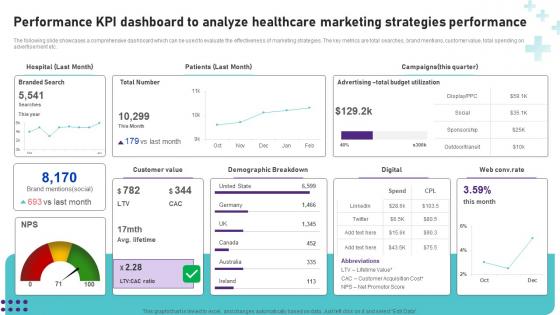
Think of KPIs as a dashboard: each gauge tells you whether you’re cruising smoothly or heading toward a bottleneck. When the numbers are right, they empower nurses to adjust care plans on the fly, reduce waste, and ultimately improve patient satisfaction. That’s why understanding both the “what” and the “how” of nursing KPIs is essential for any modern unit.
Key Examples of Nursing KPIs
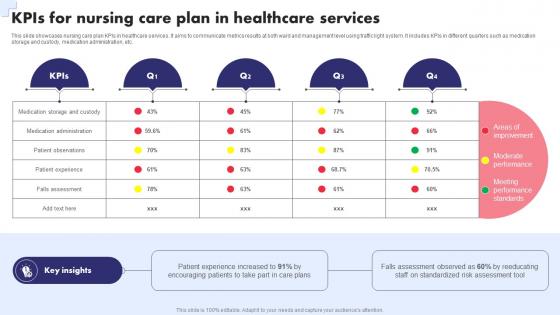
Not all indicators are created equal. Below are some of the most widely used nursing KPIs, grouped by the outcomes they influence.
- Patient Fall Rate – Number of patient falls per 1,000 patient days. A lower rate signals effective fall‑prevention protocols.
- Medication Administration Accuracy – Percentage of medications given without error. High accuracy reflects diligent double‑checks and proper training.
- Staffing Ratio Compliance – Proportion of shifts meeting mandated nurse‑to‑patient ratios. Staying within guidelines protects both patients and nurses from burnout.
- Average Length of Stay (ALOS) – Mean duration of hospitalization per patient. Shorter ALOS, when safe, often indicates efficient care coordination.
- Patient Satisfaction Scores (HCAHPS) – Survey‑based rating of nursing communication and responsiveness. These scores tie directly to reimbursement in many regions.
- Documentation Completion Time – Time taken to finalize patient charts after discharge. Faster documentation frees up nurses for direct care.
These examples aren’t exhaustive, but they cover the core pillars of safety, efficiency, and patient experience that most hospitals monitor.
How to Set and Track Your Nursing KPIs
Choosing the right KPI starts with a clear objective. Ask yourself: what outcome am I trying to improve, and how will I know I’ve succeeded? Once the goal is defined, follow these steps to make the KPI actionable.
- Define the metric precisely – Include the numerator, denominator, and time frame (e.g., “falls per 1,000 patient days, measured monthly”).
- Benchmark against standards – Use industry averages, historical data, or regulatory targets as a baseline.
- Assign ownership – Designate a charge nurse or unit manager to monitor the metric and drive interventions.
- Integrate into existing systems – Leverage electronic health records (EHR) or nursing dashboards to automate data capture.
- Review regularly – Hold brief huddles weekly or monthly to discuss trends, celebrate wins, and tweak processes.
Technology can ease the burden, but human interpretation remains vital. Numbers tell a story; the nursing team decides how to rewrite the ending.
Tips to Ace Your Nursing KPIs
Excelling at KPIs isn’t about hitting a number for the sake of a number; it’s about embedding a culture of continuous improvement.
- Start small. Pilot one or two KPIs on a single unit before scaling hospital‑wide. Early wins build confidence.
- Make data visible. Post unit‑specific dashboards in break rooms. When nurses see the numbers daily, accountability becomes natural.
- Link to professional development. Tie KPI performance to recognition programs, skill‑building workshops, or even competency assessments.
- Encourage frontline input. Nurses who actually perform the tasks often know the most practical ways to improve them. Solicit their ideas during huddles.
- Balance leading and lagging indicators. Pair outcome‑based metrics (like fall rate) with process‑based ones (like compliance with safety checks) for a fuller picture.
When KPIs are viewed as tools for growth rather than punitive measures, the entire care team benefits.
Common Pitfalls to Avoid
Even well‑intentioned KPI programs can stumble. Here are a few traps to watch out for.
- Overloading staff with too many metrics. A handful of meaningful KPIs beats a dozen confusing ones.
- Choosing vanity metrics. Numbers that look impressive but don’t drive patient outcomes waste time.
- Neglecting data quality. Inaccurate charting or delayed entry skews results, leading to misguided decisions.
- Failing to adjust. If a KPI remains stagnant despite interventions, re‑evaluate its relevance or measurement method.
By staying vigilant, you can keep the KPI program agile and genuinely useful.
Frequently Asked Questions
What’s the difference between a leading and a lagging nursing KPI?
Leading indicators forecast future performance (e.g., compliance with hand‑hygiene protocols), while lagging indicators measure outcomes after the fact (e.g., infection rates).
How often should nursing KPIs be reviewed?
Monthly reviews are common for most metrics, but high‑risk areas like medication errors may warrant weekly checks.
Can KPIs be customized for specialty units?
Absolutely. An ICU might track ventilator‑associated pneumonia rates, whereas a med‑surg floor could focus on discharge planning efficiency.
Do KPIs affect nurse compensation?
In some organizations, KPI performance ties into bonus structures or professional development incentives, but it should always be balanced with fair appraisal practices.
.png)