Mastering Professional Writing: A Practical Guide for Clarity
Professional writing isn’t about using the biggest vocabulary in the room. It’s about making the reader’s life easier. We’ve all received those emails that take three paragraphs to say “please approve the invoice,” or reports so dense with jargon that the main point gets lost on page four. Mastering professional writing is less about art and more about engineering. You are building a bridge between your idea and the reader’s understanding. The sturdier the bridge, the less chance there is of miscommunication, missed deadlines, or lost revenue.
Whether you are drafting a quick Slack message, a company-wide memo, or a detailed project proposal, the core principles remain largely the same. The goal is always impact, not volume. Here is how to refine your approach and make your words work harder for you.
The Art of Cutting the Fluff
The first step in becoming a sharper writer is learning to see the invisible fat in your sentences. We all have bad habits when it comes to padding our prose. We use phrases like “at this point in time” when “now” would suffice. We say “due to the fact that” when “because” is stronger and faster. This isn’t just about saving word count; it’s about respecting the reader attention span.
Fewer words often mean higher clarity. When you strip away the decorative language, the core message stands out. Try this exercise: take a recent email you sent and highlight every word that doesn’t add essential information. You’ll likely find prepositional phrases, redundant adjectives, and filler verbs that you can cut without losing meaning. Concise writing conveys confidence. It shows you have commanded your thoughts before putting them on paper.
Structure Is Your Silent Advocate
Even the most brilliant insights will fail if they are buried in a wall of text. In professional environments, people skim. They look for headings, bullet points, and key takeaways. If they have to hunt for the point, you’ve already lost them. Structure acts as a roadmap, guiding the reader through your logic without forcing them to work harder than necessary.
- Start with the bottom line. Don’t bury the lead. State your request or main conclusion in the first paragraph. Your reader might never get past the first screen, so ensure the critical info is there.
- Use headlines and subheads. These break up text and signal topic shifts. They allow skimmers to find what they need instantly.
- Leverage bullet points for lists. If you have more than three items, list them. Bullet points scan faster than prose and reduce cognitive load.
When you structure your writing effectively, you are doing heavy lifting for your audience. This is often the difference between a draft that gets ignored and one that drives action.
Tone: Finding the Professional Sweet Spot
One of the biggest misconceptions about professional writing is that it must be stiff, formal, or overly polite. In fact, modern workplace communication favors warmth and directness over bureaucratic distance. However, there is a line. You want to be approachable without being casual, and firm without being aggressive.
Consider your audience. A memo to the entire organization requires a different tone than a message to your close-knit project team. With leadership, brevity is often seen as respect for their time. With peers, you can afford more context and collaborative language. Avoid slang, but don’t be afraid to use contractions like “can’t” or “won’t” if they fit your company culture. They make your writing sound human rather than robotic.
Always read your draft aloud. If it sounds like something you would actually say in a conversation, it’s probably the right tone. If it sounds like a textbook or a legal contract, you might be over-formalizing.
The Revision Phase: Where Good Becomes Great
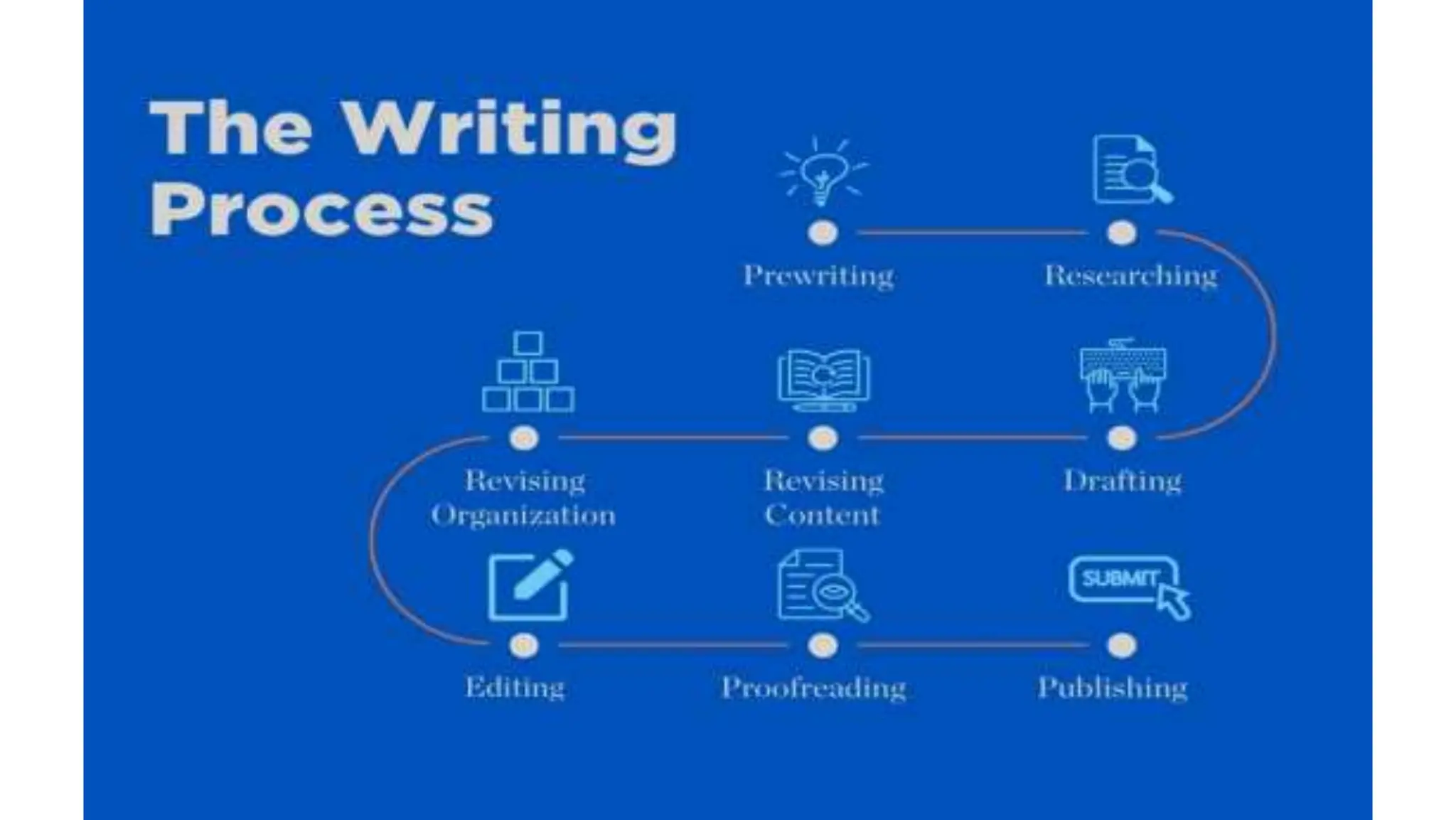
Writing is rewriting. The first draft is just you telling yourself the story. The editing process is where you tailor it for the audience. Professional writers don’t rely on inspiration; they rely on discipline and iteration.
Don’t hit send immediately. Step away if possible, or at least take a deep breath before reading your work again. Check for these three things:
- Clarity: Is the request obvious? Is there any ambiguity?
- Accuracy: Are the names, dates, and figures correct?
- Empathy: How will the recipient feel reading this? Did I come across as rude, demanding, or dismissive?
Often, we miss tone issues because we are too close to the content. We know what we meant, so we assume the reader knows too. But we have to write for the reader, not ourselves.
FAQs on Professional Writing
How do I deal with writer’s block in a professional setting?
Professional writing rarely has room for creative block. Instead, think of it as problem-solving. If you can’t write the perfect sentence, write the messy one. List your bullet points first. Structure comes before style. Once you have your points down, polishing the sentences becomes much easier.
Is it okay to use short sentences?
Absolutely. Short sentences create rhythm and impact. In fact, varying sentence length is key to engaging writing. A string of long, complex sentences can exhaust the reader. A short, punchy sentence after a few longer ones can emphasize a point effectively.
How formal should my signature be?
Keep it consistent with your brand or company standard. Usually, your name, title, and contact information are sufficient. Avoid overly long taglines unless they serve a specific marketing purpose. The signature should be functional, not decorative.
Can I use humor in professional emails?
Humor is risky because tone doesn’t translate well to text. What feels witty to you might read as sarcastic or unprofessional to someone else. If you must use humor, keep it light, self-deprecating, and familiar. When in doubt, especially with new clients or senior leadership, err on the side of serious and clear.
Mastering professional writing is a habit, not a destination. It requires constant attention to clarity, structure, and tone. By focusing on the reader’s experience and cutting the unnecessary noise, you transform your writing from a chore into a tool for genuine influence.