Mastering the 6-Speed Dual‑Clutch Transmission: The Complete Guide
What Is a 6-Speed Dual‑Clutch Transmission?
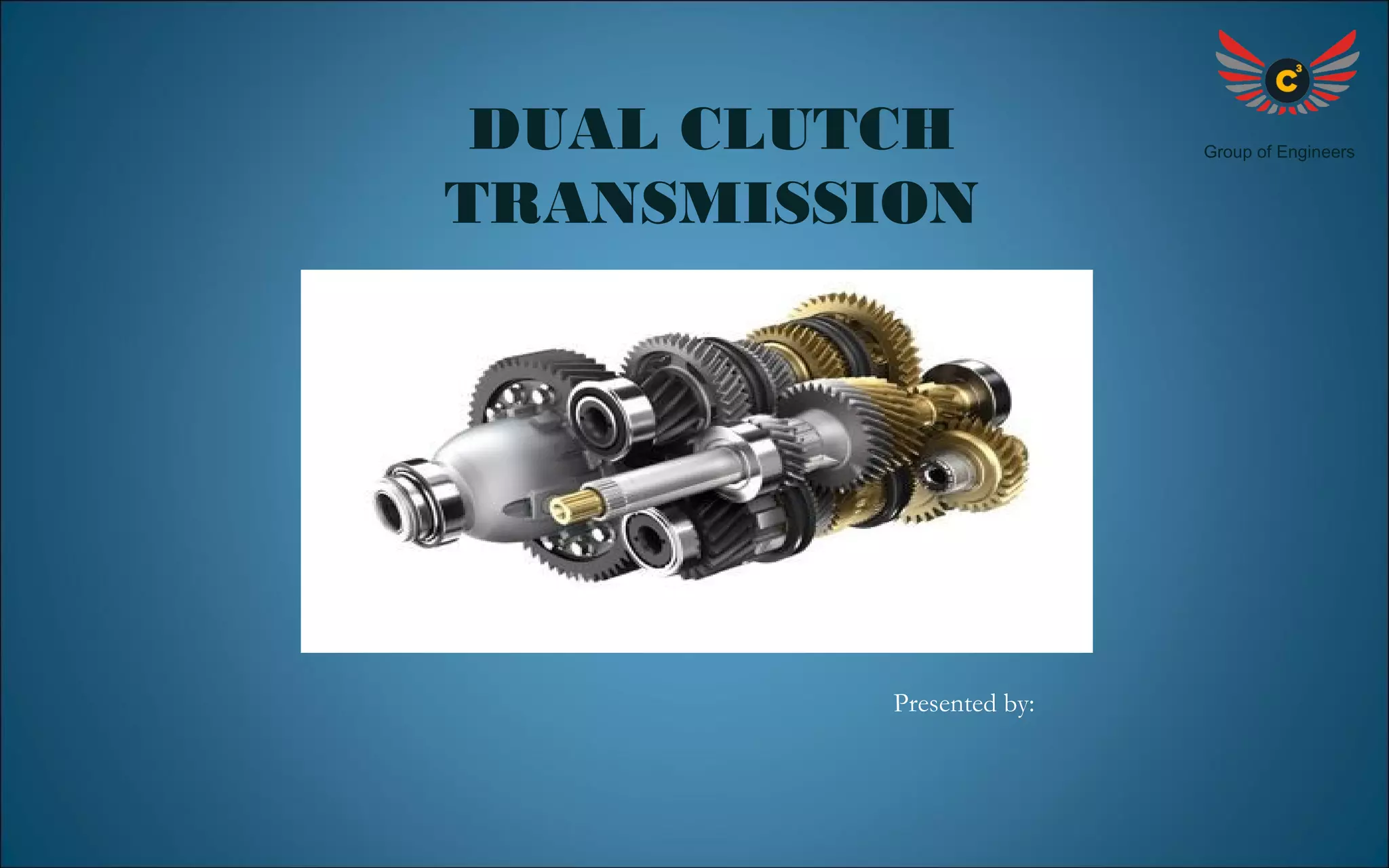
A 6‑speed dual‑clutch transmission (6Speed DCT) couples two clutches to shift gears faster than a conventional manual. One clutch engages odd-numbered gears while the other handles even-numbered gears. When the first clutch releases a gear, the second is already pre‑engaged, so the transition is almost seamless.
How a Dual‑Clutch Works in Practice
When a driver steps on the accelerator, sensors decide the best gear based on speed and torque. The computer disengages the current clutch and engages the other. Because the next gear is already spinning at the correct speed, the shift feels almost instantaneous.
Benefits of a 6-Speed DCT
- Acceleration: Power flows directly to the wheels without the interruption of a torque converter.
- Fuel Efficiency: Fewer parasitic losses mean better mileage, especially in city traffic.
- Sporty Feel: Quick shifts make the car feel more responsive and engaging.
In addition, many manufacturers use a 6Speed DCT to keep the number of gears low while still covering a wide speed range. That reduces weight and complexity compared to an 8‑ or 10‑speed layout.
Common Misconceptions About Dual‑Clutch Gearboxes
“DCTs are too harsh.” In practice, modern systems use smooth hydraulic or electromagnetic actuators that deliver a gentle shift. “They’re only for high‑performance cars.” Several mainstream models, like the Honda Civic Type R and Audi A4, feature DCTs as standard.
Another myth is that DCTs require frequent maintenance. While they do have a clutch life that can be limited by aggressive driving, most owners experience no special upkeep beyond routine checks.
Choosing the Right 6Speed DCT for Your Car
Consider the driving environment: city commutes favor smoother gear changes, whereas track enthusiasts look for quick downshifts. Check the vehicle’s torque rating; the clutch plates must handle peak torque. Finally, review the warranty: some manufacturers offer extended coverage on DCT components.
Maintenance Tips to Extend DCT Longevity
- Use the recommended gear oil: Most manufacturers specify a high‑viscosity synthetic blend to protect the clutches.
- Avoid excessive over‑revving: This stresses the clutch plates and shortens their life.
- Keep the cooling system clean: DCTs can generate heat during hard use; a clogged cooler can lead to premature wear.
Regular inspections of the hydraulic lines and solenoids will catch leaks before they affect performance.
Future Trends in Dual‑Clutch Technology
Automakers are integrating advanced electronics, such as predictive shifting algorithms that anticipate driver intent. Hybrid powertrains now use DCTs to manage the interaction between electric motors and internal combustion engines more efficiently.
Some companies are exploring lightweight materials, like carbon‑fiber plates, to reduce weight while maintaining strength. As electric drivetrains grow, the dual‑clutch concept may evolve into a seamless torque‑delivery system for all‑electric vehicles.
Frequently Asked Questions
Q: Can I drive a car with a 6Speed DCT like a manual?
A: Yes, most systems include a manual mode where you can select gears one at a time, but the clutch engagement remains automated.
Q: Are 6Speed DCTs reliable?
A: When maintained properly, they’re as reliable as other modern transmissions. Most manufacturers provide solid warranties covering major components.
Q: Do I need a special tire or suspension for a DCT?
A: Not necessarily; however, a sport-tuned suspension can complement the quick shifts for a more engaging experience.