Nissan Serena Catalytic Converter Problems & Replacement Costs
Why the Catalytic Converter Fails in a Nissan Serena
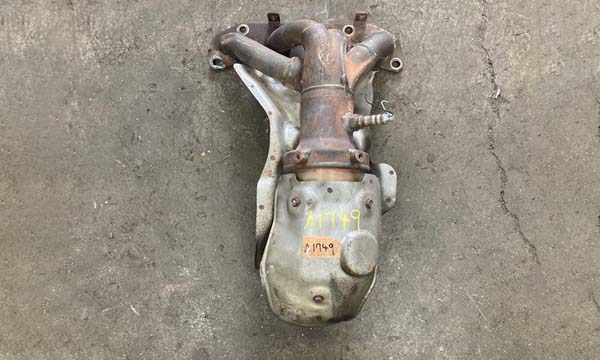
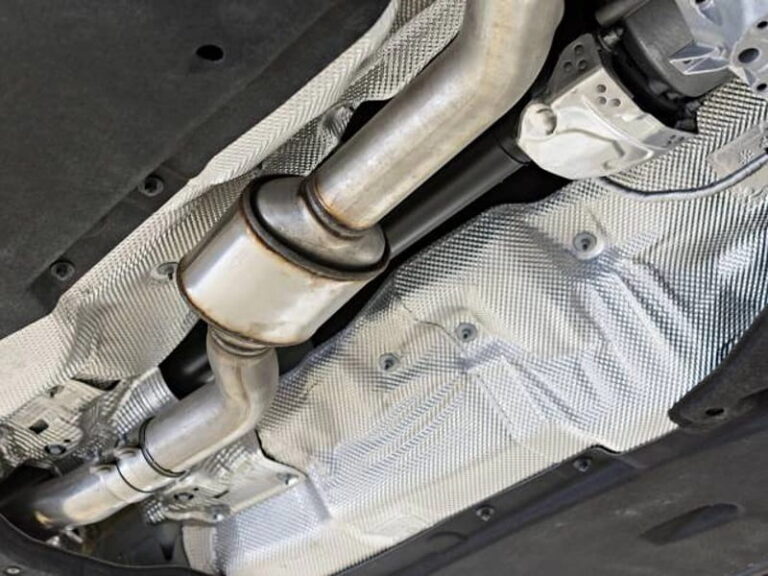
The catalytic converter is the quiet workhorse that turns harmful exhaust gases into less‑toxic compounds. In the Nissan Serena, its compact design fits snugly under the engine, which means it’s exposed to heat spikes and occasional oil leaks. Over time, a few common culprits can wear the converter down:
- Over‑heating. A misfiring cylinder or a clogged oxygen sensor can cause the exhaust temperature to soar, cracking the ceramic honeycomb inside.
- Oil or coolant contamination. Leaks from the valve cover gasket or head gasket let fluids into the exhaust stream, coating the catalyst surface and choking its chemistry.
- Fuel system issues. Running rich (too much fuel) floods the converter with unburnt hydrocarbons, which can melt the precious metal substrate.
- Age and mileage. Even without obvious faults, the catalytic material gradually loses activity after 100,000–150,000 miles.
When any of these conditions persist, the converter’s efficiency drops, leading to the symptoms many Serena owners notice.
Symptoms That Point to a Converter Problem
Not every rough idle means a bad converter, but a few tell‑tale signs usually mean it’s time for a closer look:
- Check‑engine light illuminated with codes P0420 or P0430 (catalyst efficiency below threshold).
- Noticeable drop in fuel economy—often 5‑10% lower than usual.
- Rattling noise from underneath the vehicle, especially when the engine is warm.
- Strong sulfur or rotten‑egg odor from the exhaust, indicating unconverted hydrogen sulfide.
- Failed emissions test, even after a recent tune‑up.
If you experience more than one of these, a diagnostic scan at a reputable shop is the quickest way to confirm whether the converter is the culprit.
Choosing Between Repair and Replacement
In some cases, a simple fix can restore the converter’s function. For instance, clearing an oil leak or swapping a faulty oxygen sensor often eliminates the source of damage. However, the catalyst itself cannot be “re‑catalyzed” at home; once the internal coating is compromised, the part must be replaced.
Mechanics will usually recommend a replacement if the converter shows:
- Physical damage—cracks, holes, or melted sections.
- Severe contamination that a cleaning solvent cannot remove.
- Repeated failure after multiple repairs, suggesting the core material is exhausted.
When the issue is purely a sensor or exhaust leak, addressing that component can be a cost‑effective alternative to a full swap.
How Much Does a Replacement Really Cost?
The price tag for a Nissan Serena catalytic converter varies widely based on three factors: part type, brand, and labor rates in your area.
- OEM (original equipment manufacturer) unit. Expect $500‑$800 for the part alone.
- High‑quality aftermarket. Prices range from $300 to $600, often offering comparable performance for a lower cost.
- Labor. Most shops charge $150‑$250 per hour. Replacing the converter typically takes 1.5‑2 hours, adding $225‑$500 to the bill.
All told, most Serena owners pay between $550 and $1,200 for a complete replacement, including taxes and disposal fees. If you live in a region with stricter emissions testing, you may need a certified “low‑emission” unit, which can push the price toward the upper end of that range.
Preventive Tips to Extend Converter Life
While some wear is inevitable, a few habits can keep the converter healthy for longer:
- Stay on top of engine maintenance. Regular spark plug checks and timely oxygen sensor replacements prevent misfires that overheat the exhaust.
- Fix oil or coolant leaks promptly. Even a minor drip can coat the catalyst within weeks.
- Avoid low‑octane fuel. Using the recommended fuel grade reduces the chance of running rich.
- Warm up the engine gently. Especially in cold weather, let the car idle for a minute before demanding heavy acceleration.
These simple steps not only protect the converter but also improve overall fuel efficiency and emissions compliance.
Frequently Asked Questions
Can a failing catalytic converter damage other parts of my Nissan Serena?
Yes. An overheating converter can raise exhaust temperatures enough to warp nearby heat shields, and excessive back‑pressure may strain the turbo or exhaust manifold over time.
Is it legal to replace a Nissan Serena converter with a cheaper, non‑OEM part?
In most jurisdictions, aftermarket converters are allowed as long as they meet local emissions standards. However, some states require a “CARB‑compliant” unit for vehicles that pass official smog tests.
How long should a new catalytic converter last?
When the underlying engine is well‑maintained, a replacement typically lasts 8‑10 years or 100,000‑150,000 miles, whichever comes first.
Do I need to reset the check‑engine light after a replacement?
Modern OBD‑II scanners can clear the codes automatically once the new converter is installed and the engine runs a few cycles. Some shops include this step in the service.