Physical Security Breach Types and How to Prevent Them
When a building’s doors are left ajar or a camera blind spot goes unnoticed, the damage can go far beyond a simple inconvenience. Physical security breaches can expose sensitive data, disrupt operations, and even endanger lives. Understanding the most common breach types, real‑world examples, and practical prevention steps is essential for any organization that values safety.
Physical Security Breach Types, Examples, and Prevention
Physical security isn’t just about locks; it’s a layered strategy that addresses human behavior, technology, and the environment. Below are the breach categories that show up most often, paired with vivid scenarios that illustrate how they happen.
Tailgating and Piggybacking
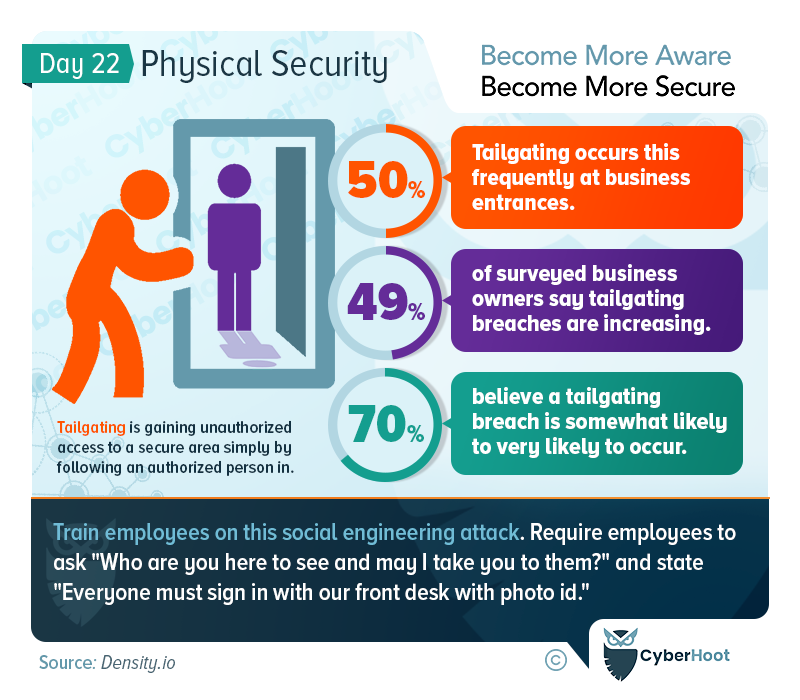
In a tailgating incident, an employee holds the door open for a stranger who slips in without proper credentials. Piggybacking takes it a step further, with a legitimate badge holder knowingly granting access to an accomplice. A 2022 incident at a corporate campus in the Midwest saw a delivery driver walk in behind a hurried employee, later stealing several laptops before exiting unnoticed.
Forced Entry
Forceful methods—breaking windows, prying doors, or smashing gates—are still a staple of opportunistic thieves. In a 2021 warehouse robbery in Texas, burglars used a crowbar to breach a side entrance, exploiting a lack of reinforced doors and a dormant alarm system.
Lock Picking and Bypass
Professional burglars often carry lock‑picking tools or know how to exploit master key systems. In a London boutique, a thief used a slim‑jim to lift the lock on a back office, gaining access to high‑value merchandise that went missing for weeks before police traced the break‑in.
Insider Threats
Employees with authorized access can become the weakest link, either maliciously or through negligence. A former IT technician at a healthcare provider copied patient records onto a personal drive before quitting, later selling the data on the dark web.
Environmental Manipulation
Attackers sometimes target the environment itself—disabling power, tampering with HVAC, or creating false alarms to divert attention. During a power outage at a data center in Singapore, an intruder slipped through a temporarily unguarded stairwell, exploiting the chaos to install a rogue network device.
How to Prevent Physical Security Breaches
Prevention hinges on combining people, processes, and technology. No single measure can stop every threat, but a comprehensive approach dramatically reduces risk.
- Multi‑factor access control: Require badge swipes plus a PIN or biometric factor for sensitive areas. This makes tailgating harder because the second factor can’t be shared.
- Visitor management systems: Issue temporary credentials that expire automatically and log every entry. Combine this with a reception desk that verifies IDs before granting access.
- Surveillance and monitoring: Deploy high‑resolution cameras with real‑time analytics that flag suspicious behavior, such as someone lingering near a door after a badge swipe.
- Physical barriers: Reinforce doors and windows with steel frames and tamper‑proof locks. Consider anti‑shatter glass in high‑risk zones.
- Security awareness training: Teach staff to challenge unknown individuals, report tailgating attempts, and follow proper badge‑sharing policies. Regular drills keep the message fresh.
- Environmental controls: Install backup power for alarms and cameras, and use motion‑sensor lighting to eliminate dark corners where intruders could hide.
- Regular audits and penetration testing: Conduct scheduled walkthroughs and hire external experts to attempt controlled breaches, exposing gaps before criminals do.
Choosing the Right Security Solutions
Every facility has its own risk profile, so solutions should be tailored. Small offices may get by with a single integrated access‑control panel, while large campuses often need centralized management software that aggregates badge data, video feeds, and alarm logs. When budgeting, prioritize layered defenses: a solid lock, a vigilant human element, and a responsive monitoring system work best together.
FAQ
What is the most common physical security breach?
Tailgating is frequently observed because it exploits human courtesy rather than sophisticated tools. Simple policies—like requiring badge holders to keep doors closed behind them—can cut this risk dramatically.
How often should I test my physical security measures?
At least annually, and after any major changes such as renovations, new equipment installations, or staff turnover. Unannounced tests provide the most realistic assessment.
Can technology replace security guards?
Technology enhances guard effectiveness but doesn’t replace the need for a human presence. Guards can interpret ambiguous situations, respond to alarms, and provide a visible deterrent that cameras alone cannot.
What role does employee training play in preventing breaches?
A well‑trained workforce is often the first line of defense. Regular reminders, scenario‑based drills, and clear reporting channels empower staff to act confidently when they notice suspicious activity.