Pseudomonas Aeruginosa: What the Latest Research Says About Its Risks and Recent Headlines
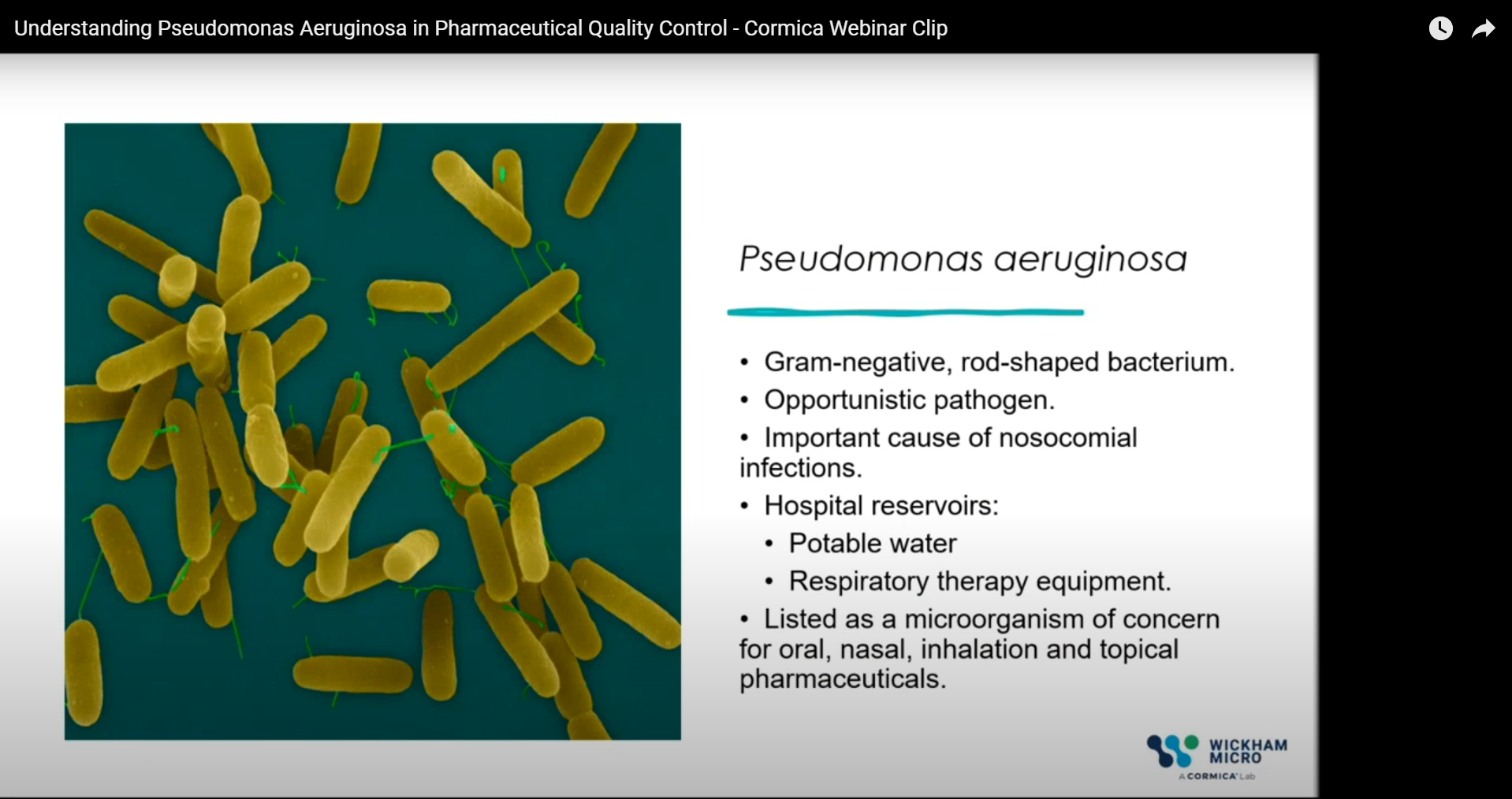
Pseudomonas aeruginosa is a hardy bacterium that thrives in damp environments—think hospital sinks, water tanks, and even the moist skin of a person with a burn wound. Because of its remarkable ability to resist antibiotics and adapt to various host defenses, it has become a major focus for clinicians, microbiologists, and public‑health officials worldwide.
In this article we’ll walk through the biology that makes P. aeruginosa so dangerous, highlight the most pressing health risks it presents, and bring you up to speed on the newest stories circulating in the scientific community. Whether you’re a medical professional, a patient with a chronic infection, or simply curious, this overview will help you understand why this microorganism is a headline‑maker.
Why Pseudomonas aeruginosa Is a Global Health Threat
At its core, the risk posed by P. aeruginosa comes from a trio of features: its rapid growth rate, its arsenal of virulence factors, and its propensity for multidrug resistance.
- Fast growth and biofilm formation – The bacterium can double in under 20 minutes under optimal conditions. When it sticks to surfaces, it forms a biofilm—an extracellular matrix that shields it from immune cells and antibiotics.
- Virulence mechanisms – P. aeruginosa produces exotoxin A, elastases, and a type III secretion system that injects toxins directly into host cells, leading to tissue damage and systemic infection.
- Antibiotic resistance – Over the past decade, strains resistant to carbapenems, aminoglycosides, and even newer β‑lactam/β‑lactamase inhibitor combinations have been reported. The bacterium’s genetic plasticity allows it to acquire resistance genes quickly.
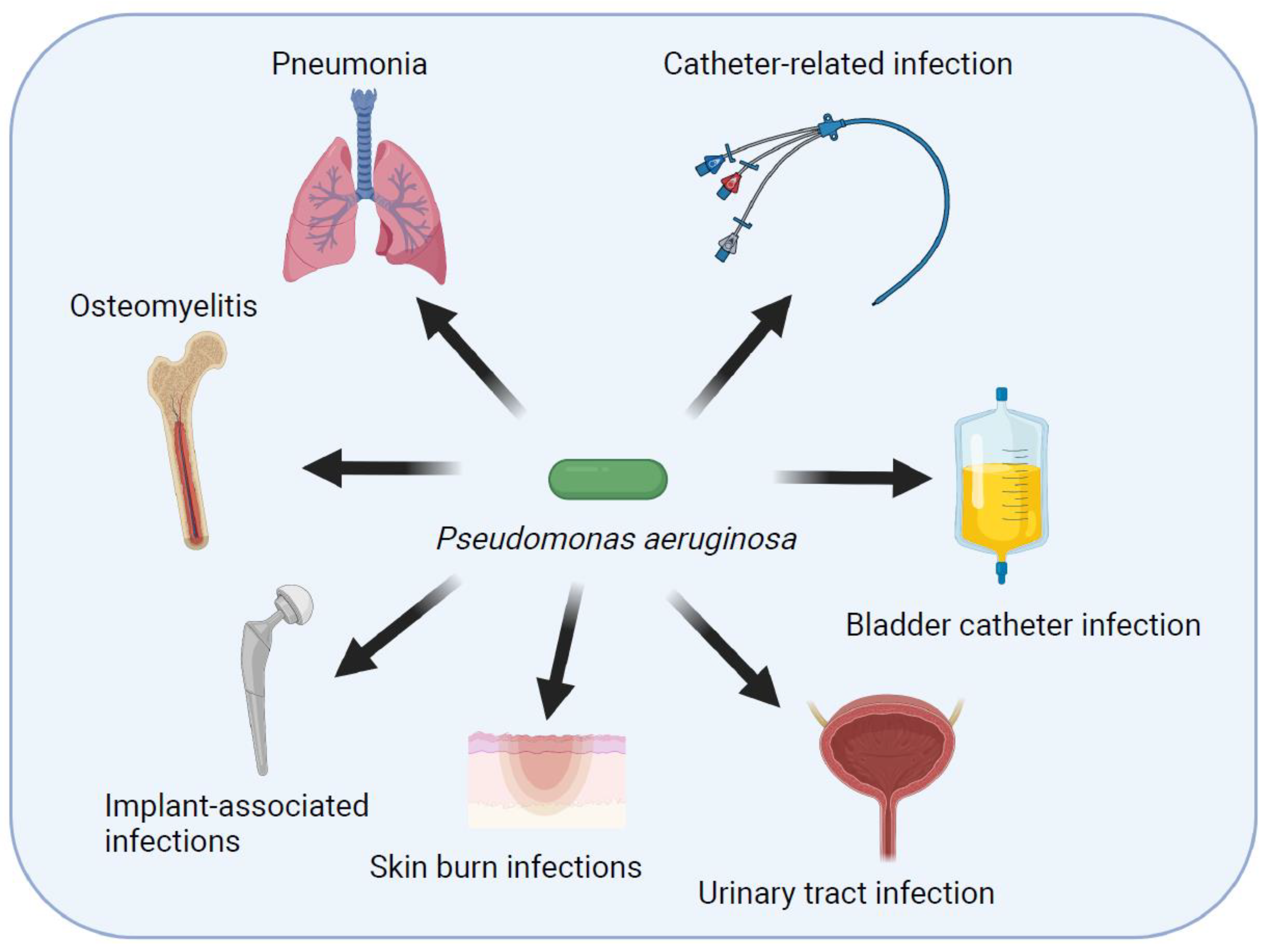
These characteristics explain why infections are often severe: pneumonia in ventilated patients, bloodstream infections after surgery, and chronic wound infections in burn units or diabetic foot ulcers.
Key Health Risks and Who Is Most Vulnerable
While anyone can become infected, certain groups face disproportionate risk.
- Hospitalized patients – Especially those on ventilators, with indwelling catheters, or with open wounds.
- Immunocompromised individuals – People with cystic fibrosis, solid organ transplant recipients, and patients undergoing chemotherapy.
- Individuals with chronic diseases – Diabetes, chronic kidney disease, or those on prolonged steroid therapy.
- Caregivers and healthcare workers – Occupational exposure is a real concern; proper hand hygiene and protective equipment are essential.
Clinically, P. aeruginosa infections can lead to sepsis, acute respiratory distress syndrome, and, in the worst cases, multi‑organ failure. Even when treated, the organism’s ability to persist in the environment means that patients can experience relapses or secondary infections.
What the Latest Research Tells Us
Over the past 12 months, several high‑impact studies have shifted our understanding of P. aeruginosa’s epidemiology and therapeutic options.
- Genomic surveillance in ICU settings – Whole‑genome sequencing of isolates from a 12‑hospital network revealed that a single clone of carbapenem‑resistant P. aeruginosa was circulating across the country. The study highlighted the importance of coordinated infection control practices.
- Novel antivirulence therapy – Researchers at a European university tested a small‑molecule inhibitor that blocks the quorum‑sensing system. In animal models, the drug reduced biofilm formation and improved survival rates when combined with standard antibiotics.
- Phage therapy trials – A multicenter phase‑II study of bacteriophages targeting P. aeruginosa in cystic fibrosis patients showed a measurable decline in bacterial load and a decrease in exacerbation frequency.
- Diagnostic innovation – Rapid point‑of‑care assays based on CRISPR‑Cas technology can detect P. aeruginosa and its resistance markers within 30 minutes, potentially expediting targeted therapy.
These breakthroughs suggest that while P. aeruginosa remains a formidable adversary, new strategies are emerging that may tilt the balance in favor of clinicians.
Recent Headlines You Might Have Missed
Media coverage often lags behind scientific progress, but several stories have gained traction recently:
- “Hospital Outbreaks Prompt New Statewide Regulations” – A state health department issued stricter cleaning protocols after a cluster of ventilator‑associated pneumonia cases linked to P. aeruginosa.
- “Antibiotic‑Resistant Pseudomonas Strains Outpace Vaccine Development” – Researchers cautioned that the rapid evolution of resistance might outstrip vaccine efforts, underscoring the need for non‑antibiotic therapies.
- “Global Watchlist: Pseudomonas in the Water Supply” – Several countries reported contamination of municipal water systems, raising concerns about chronic exposure in vulnerable populations.
- “The Rise of Biofilm‑Resistant Strains in Dental Implants” – Dental journals highlighted cases of peri‑implantitis caused by P. aeruginosa, prompting discussions on prophylactic measures.
These news items remind us that the threat is real, ongoing, and evolving.
Practical Steps for Patients and Healthcare Workers
- Regular hand hygiene using alcohol‑based sanitizers or soap and water.
- Strict aseptic technique when inserting or removing invasive devices.
- Use of single‑use or sterilized equipment in high‑risk units.
- Early screening for P. aeruginosa in patients with known risk factors.
- Prompt debridement of chronic wounds and appropriate antibiotic stewardship.
Educating patients about signs of infection—such as sudden fever, worsening pain, or unexplained swelling—can lead to earlier treatment and better outcomes.
Frequently Asked Questions
- How is Pseudomonas aeruginosa usually transmitted? It can spread through contaminated surfaces, water, or medical equipment. Direct person‑to‑person spread is rare but possible in close contact settings.
- Can I prevent a Pseudomonas infection at home? Maintaining clean environments, avoiding stagnant water, and following wound‑care guidelines can reduce risk. If you’re immunocompromised, extra precautions like using a shower filter are advisable.
- What antibiotics are still effective? Depending on local resistance patterns, options may include polymyxins, ceftolozane/tazobactam, or ceftazidime/avibactam. Always rely on culture and sensitivity results.
- Are there vaccines in development? Several candidates target virulence factors, but none are currently approved. Research continues to focus on antivirulence strategies and phage therapy.
Understanding the science behind Pseudomonas aeruginosa, staying informed about emerging research, and practicing rigorous infection control measures are key to mitigating this persistent threat. As the microbiological community races to outpace its adaptability, awareness and preparedness remain our strongest tools.