Quick Fixes for Common Harley-Davidson Road King Issues
There is a certain romance to riding a Harley-Davidson Road King. The classic touring profile, the stretched wheelbase, and that deep, thumping V-twin sound create an experience that is hard to replicate. However, owning a heavy, complex machine like the Road King also means accepting a reality: maintenance is inevitable, and troubleshooting is a skill every rider needs to hone. You don't need to be a certified mechanic to handle the most common gremlins that plague these bikes. In fact, much of the frustration associated with Road king motorcycle troubleshoot and fix tasks can be resolved with basic tools, a bit of patience, and a clear understanding of how the machine works.
When your Road King starts acting up, it’s easy to panic. A strange noise, a loss of power, or an electrical quirk can turn a planned ride into a stressful ordeal. But before you tow the bike to the dealer, consider that many issues are minor and often stem from wear-and-tear components rather than catastrophic failure. We’ll walk through the most frequent problems owners face and provide practical, step-by-step guidance on how to diagnose and resolve them.
Electrical Gremlins: The Choppiness of Life
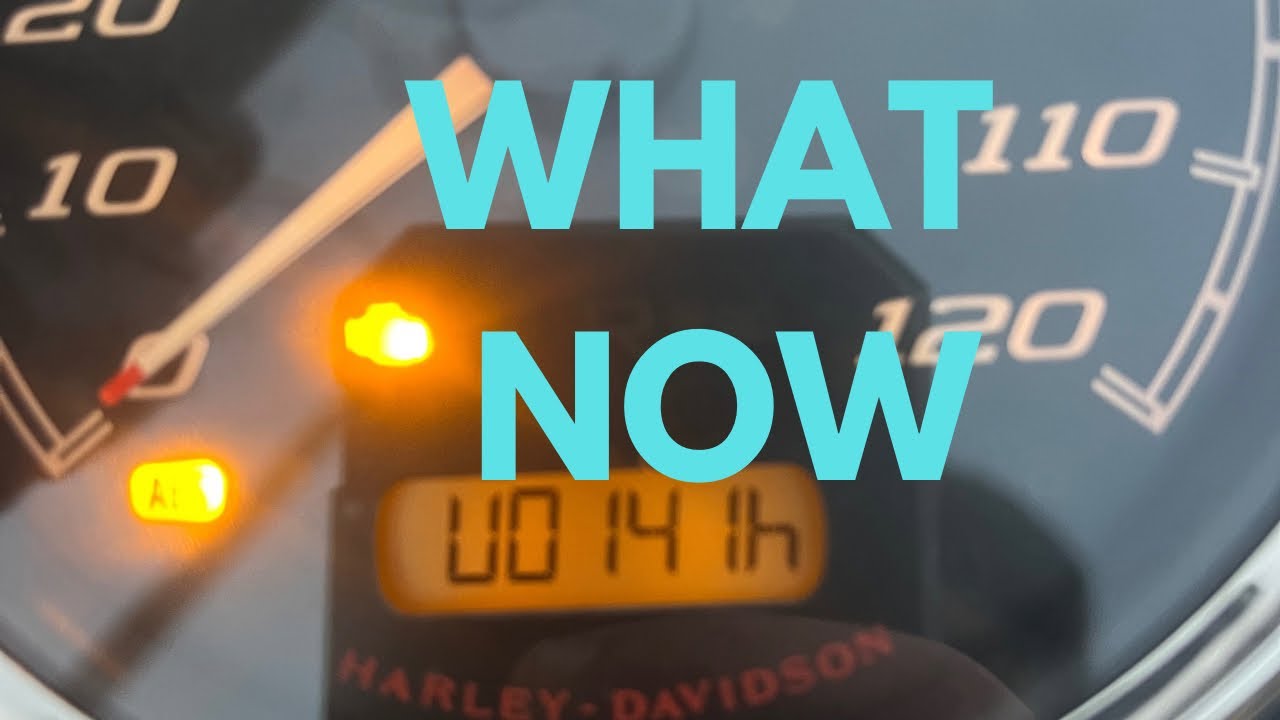
If you asked a dozen Road King owners what their most common headache is, a majority would point to electrical issues. Harleys, especially those built before the widespread adoption of solid-state regulators, have a reputation for being electrically temperamental. This isn’t just superstition; the vibration of the engine can loosen connectors, and age can degrade wiring insulation.
Symptoms to watch for:
- Flickering dashboard lights.
- Intermittent failure of the turn signals.
- The bike failing to crank or start.
- Battery dying after a single ride.
Diagnosing the problem: Start with the battery. Use a multimeter to check the resting voltage. It should read around 12.6 volts. If it’s lower, charge it. Then, check the charging system while the engine is running. It should read between 13.5 and 14.5 volts. If it’s higher, your voltage regulator might be failing. If it’s lower, your stator could be going bad.
Fixing it: Inspect all ground connections. Corrosion here is a silent killer. Clean them, apply dielectric grease, and ensure they are tight. Check the main wiring harness for cracks or chafing. Replace the battery if it’s older than three years or holds a charge poorly. If the charging voltage is out of spec, replace the regulator/rectifier or stator as needed.
Engine Noises: Cranks, Clunks, and Ticks
The V-twin engine is designed to sound loud, but not loudly wrong. Distinguishing between normal operation and impending failure requires a keen ear. Low-frequency knocking or knocking sounds that come from the rear axle are often a primary culprit.
The Rear Axle Problem: A common issue on older Road Kings is rear axle play. This can cause a clunking or clattering noise, especially when accelerating or decelerating. Check for wear in the wheel bearings. Lift the rear of the bike, and try to wiggle the wheel side-to-side. Any movement indicates worn bearings. Replace the wheel bearings and ensure the axle nut is torqued to specification.
Intake Leaks: A hissing sound from the intake indicates a leak. This can cause the engine to run lean, lose power, and potentially overheat. Inspect the intake air cleaner seal and the PCV hose. Replace any worn gaskets or hoses.
Valvetrain Noise: A ticking noise that increases with RPM is often indicative of worn lifters or pushrods. This requires a more intricate inspection of the valve train. If the noise is constant and doesn’t change with RPM, it could be a timing chain issue. Have a mechanic inspect the timing chain and sprockets. If they are worn, replace them immediately to prevent further engine damage.
Braking Performance: Spongy and Inferior
The braking system on a heavy touring bike like the Road King is critical. If your brakes feel spongy, they could be contaminated with brake fluid or the master cylinder seal could be failing. If the brakes feel hard and unresponsive to pedal pressure, the master cylinder needs to be replaced.
Diagnosing the Issue: Pull away from the brake pedal. If it feels soft, there is air in the brake fluid. Inspect the brake lights. If the front brake light bulb is burned, burnout, or flickers, the brake switch is malfunctioning. This could be due to a worn master cylinder piston or a cracked brake fluid.
Fixing the Front Master Cylinder: Remove the brake fluid from the brake fluid reservoir. Tighten the retaining screw on the brake fluid. Inspect the brake fluid for contamination. If the brake fluid is orange or brown, it is contaminated. Replace the brake fluid with fresh DOT 4 brake fluid. If the brake fluid is clear, but the brake pedal still feels spongy, there may be air in the line. You’ll need to bleed the brakes to remove the air.
Tire Wear: Uneven and Unsettling
Uneven tire wear can indicate a problem with wheel alignment, suspension geometry, or front tire pressure. The rear tire should have a slight degree of camber (tilt) to allow for proper clearance over the exhaust pipe. If the front tire is worn prematurely or the rear tire is worn on the outer edge, you may need to adjust the front tire pressure.
Diagnosing the Tire Problem: Inspect the front tire for wear on the inner or outer edge. If the tire is wearing across the inner or outer edge, you may need to adjust the front tire pressure. If the tire is wearing across the entire tread surface, you may need to replace the tire.
Fixing the Tire: Replace the front tire. If the tire is worn, replace the front wheel bearings. Adjust the front tire pressure to the manufacturer’s recommendation.
By understanding these common issues and how to address them, you can keep your Road king running smoothly and safely on the road.

.jpg)