Quick Guide to MR & MC: Simple Economics Explanation
If you’re looking for a quick read MR & MC in economics simple explanation, you’ve landed in the right spot. Marginal revenue (MR) and marginal cost (MC) are the twin engines that drive a firm’s production choices. Understanding them doesn’t require a PhD—just a clear, step‑by‑step walk through the basics. Below you’ll find plain language definitions, a few handy illustrations, and the practical takeaways you need for everyday decision‑making.
What Is Marginal Revenue?
Marginal revenue is the extra money a firm earns by selling one more unit of a product. Imagine you own a bakery and each loaf sells for $5. If you bake a sixth loaf and it brings in an additional $5, that $5 is your marginal revenue for that loaf.
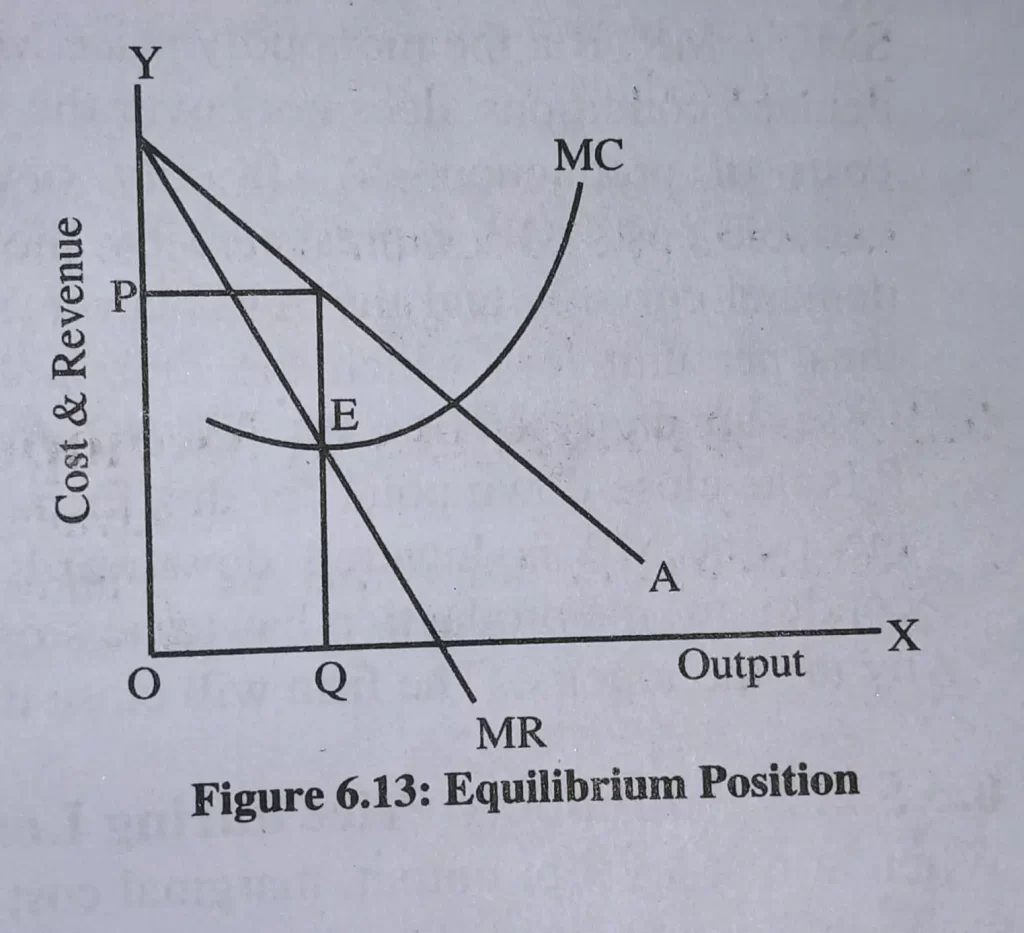
In perfectly competitive markets, the price stays constant, so MR equals the market price. In contrast, monopolists often have to lower the price to sell additional units, which makes MR fall as output rises. That decline is why the MR curve typically slopes downward.
What Is Marginal Cost?
Marginal cost measures the extra expense incurred from producing one additional unit. Using the bakery again, suppose the ingredients, labor, and electricity needed for the sixth loaf cost $3. That $3 is the marginal cost of the sixth loaf.
MC reflects variable costs—those that change with output. Fixed costs like rent stay the same regardless of how many loaves you bake, so they don’t appear in the marginal calculation. Like MR, the MC curve often bends upward because each extra unit can be harder or more expensive to produce.
How MR and MC Interact
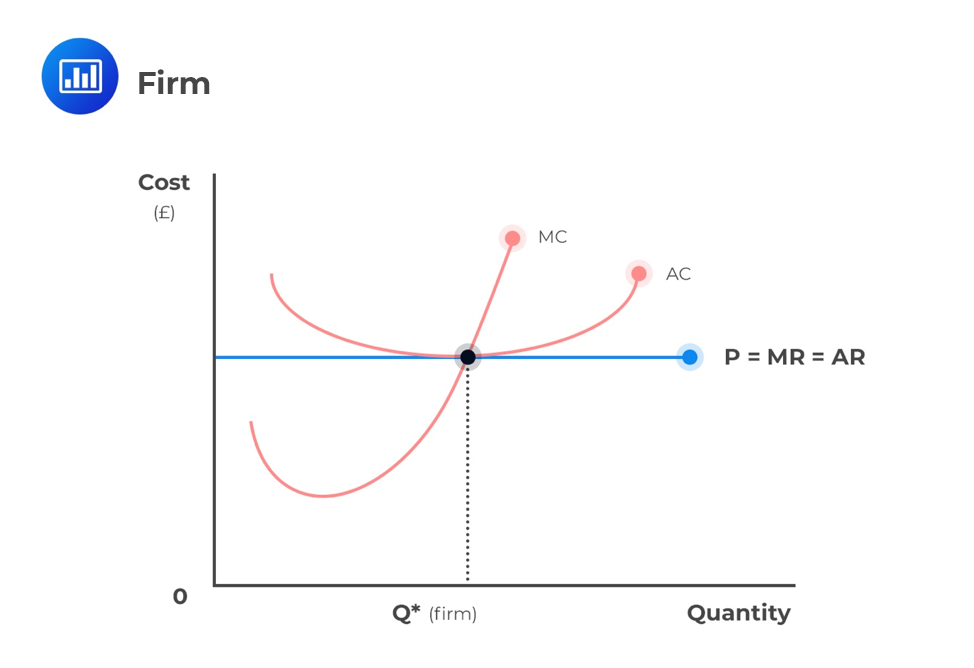
The sweet spot for a profit‑maximizing firm is where MR equals MC. Below that point, producing another unit adds more revenue than cost, so the firm should expand. Above it, each extra unit costs more than it brings in, signaling a cut‑back.
- MR > MC: Increase output.
- MR = MC: Optimal output—profit is maximized.
- MR < MC: Decrease output.
This rule holds whether you’re a lone artisan or a multinational corporation. The only twist is that in a perfectly competitive market, MR equals price, so the firm simply produces where price meets MC.
Why It Matters for Decision‑Making
Knowing MR and MC helps answer real‑world questions: Should you add a new product line? Is it worth hiring another employee? The answer comes down to comparing the extra revenue each decision generates with the extra cost it imposes.
For example, a tech startup may consider launching a premium version of its app. If the projected marginal revenue from each new subscriber exceeds the marginal cost of server capacity and support, the launch makes financial sense. If not, the company might hold back until economies of scale lower MC.
Common Misunderstandings
Many students think marginal cost is the same as average cost. It isn’t; average cost spreads total cost over all units, while marginal cost looks at the next unit alone. Likewise, marginal revenue isn’t always the selling price—only in markets where price doesn’t change with quantity.
Another pitfall is ignoring the shape of the curves. Assuming straight lines can lead to wrong conclusions about where MR meets MC, especially in industries with steep learning curves or capacity constraints.
Quick Tips to Remember
- Draw both MR and MC curves; the intersection pinpoints optimal output.
- In competitive markets, MR = price, simplifying the analysis.
- Watch for changing cost structures—automation can shift MC downward.
- Re‑evaluate whenever market conditions or technology change.
Frequently Asked Questions
Q: Does marginal revenue ever become negative?
A: Yes, if a firm must drastically cut prices to sell extra units, the additional revenue can be less than zero, meaning each extra sale actually reduces total revenue.
Q: Can marginal cost be zero?
A: In theory, if a firm has infinite capacity and no variable inputs, MC could approach zero, but in practice there’s always some additional expense—materials, energy, or labor.
Q: How do fixed costs affect the MR = MC rule?
A: Fixed costs don’t enter the marginal analysis because they don’t change with output. However, they matter for overall profitability; a firm can have MR = MC and still lose money if total revenue doesn’t cover total fixed costs.
Q: What’s the difference between short‑run and long‑run MC?
A: Short‑run MC includes constraints like limited machinery, leading to steeper increases. Long‑run MC assumes the firm can adjust all inputs, often resulting in a flatter curve as economies of scale kick in.