Quick Read Data Center Power Architecture: A Fast Guide
Data centers are the backbone of modern digital services, and power is one of their most critical resources. The Quick Read Data Center Power Architecture offers a streamlined, modular approach that prioritizes rapid data access while keeping energy consumption low. In this article we’ll walk through what makes this architecture unique, how it’s built, and why it can be a game‑changer for operators looking to stay ahead of growing demand.
What Is Quick Read Data Center Power Architecture?
At its core, Quick Read is a design philosophy that marries high‑speed data retrieval with an energy‑efficient power distribution system. Unlike conventional setups that treat power and compute as separate concerns, this architecture integrates them from the outset. The result is a more responsive data center that can scale compute resources without proportionally increasing power draw.
Core Components
- Modular PDUs – Power Distribution Units are segmented into small, stackable units that can be added or removed as capacity changes.
- Smart UPS Pools – Uninterruptible Power Supplies run in clustered mode, allowing load sharing and quick switchover during outages.
- Integrated Sensors – Real‑time voltage, current, and temperature sensors feed data into a central monitoring system.
- Software‑Defined Power Control – An application layer adjusts power provisioning on a per‑server basis, aligning supply with actual workload demands.
Power Distribution Strategy
Rather than hard‑wiring each rack to a single power feed, Quick Read distributes power through a redundant, looped network. This reduces the likelihood of a single point of failure and allows power to be re‑routed automatically if a breaker trips. The architecture also supports dynamic load balancing, which shifts power between racks to prevent localized over‑stress.
Software‑Driven Energy Efficiency
Software plays a pivotal role: by continuously monitoring server utilization, the system can down‑clock or even pause idle components. This closed‑loop control reduces idle power consumption by a noticeable margin, often reaching the low single‑digit percentages typical in modern green data centers.
Key Design Principles
Modularity and Scalability
The modular PDUs and UPS clusters mean you can add or remove capacity in discrete units. This eliminates the need for wholesale rewiring when expanding, and keeps the architecture flexible enough to accommodate evolving workloads.
Redundancy and Reliability
Redundancy is baked into every layer—dual power feeds per rack, multiple UPS units, and backup generators. Because the system can automatically re‑route power, the mean time to failure drops significantly compared to traditional single‑feed designs.
Thermal Management Integration
Power and cooling are intertwined. The architecture pairs hot‑aisle containment with smart ventilation control, so that as power draw fluctuates, airflow adjusts in real time. This synergy keeps temperatures stable while avoiding the over‑cooling that can waste energy.
Implementation Steps
Assessment and Planning
Start by mapping existing power loads, identifying peak usage patterns, and determining the desired scale of expansion. Use these insights to select the appropriate size of modular PDUs and UPS clusters.
Procurement and Installation
Purchase components that support standardized connectors and communication protocols. Installation should follow a staged approach: first set up the core power grid, then layer in the modular units, and finally integrate the software layer.
Testing and Optimization
After installation, conduct a full load‑testing cycle. Monitor how the software responds to spikes and idle periods, fine‑tune the threshold settings, and validate redundancy pathways through controlled fault injections.
Real‑World Benefits
Reduced Power Consumption
By aligning power supply closely with real usage and eliminating idle draw, operators can see a measurable drop in electricity bills, often in the single‑digit percentage range relative to baseline consumption.
Lower Operational Costs
Modular components simplify maintenance: a faulty PDU can be swapped out on the fly, and redundant paths reduce the need for expensive emergency repairs. The overall lifecycle cost of the power infrastructure drops accordingly.
Faster Deployment
The plug‑and‑play nature of Quick Read means new racks can be integrated in hours rather than weeks. This speed is essential for meeting tight rollout schedules and responding quickly to market shifts.
FAQ
- What differentiates Quick Read from traditional power architectures? Quick Read integrates compute demand directly into power provisioning, using software control and modular hardware to create a responsive, scalable system.
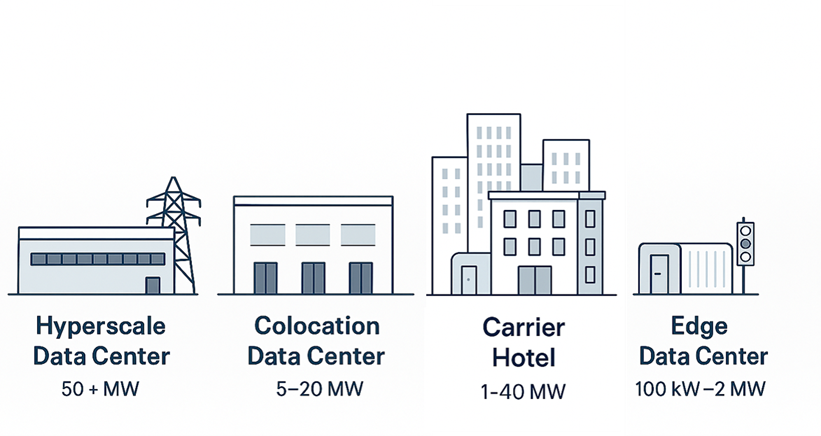
- Is it suitable for small edge data centers? Absolutely. The modularity allows operators to start small and add capacity as needed, making it a flexible choice for edge deployments.
- How does the architecture handle power outages? The redundant power feeds and UPS pools automatically switch to backup sources, ensuring uninterrupted service.
- What are the typical installation times? For a standard 12‑rack environment, the core installation can be completed in 2–3 days, with additional days for software tuning.