Regional Shift: Solar‑Powered Air‑Conditioners Keep Cool While Cutting Carbon
When you think of cooling your home or office, the image that pops up is usually a humming compressor powered by the grid. But in recent years, a quiet revolution is heating up across many regions—solar‑powered air‑conditioners are stepping in to beat the heat sustainably. This shift isn’t just about technology; it’s a response to rising energy costs, stricter emissions regulations, and a growing consumer appetite for greener solutions.
Why the Regional Trend Is Gaining Momentum
Across the globe, climate patterns are forcing cities to contend with higher temperatures for longer stretches of the year. In places like the Southwest United States, Southern Europe, and parts of Southeast Asia, the average July temperature has climbed by 1.5–2.0°C over the last decade. Because cooling demand spikes during heatwaves, regions are turning to solar energy to provide a clean, predictable power source for air‑conditioners.
Governments and utilities are offering incentives—tax credits, feed‑in tariffs, and low‑interest loans—to lower the upfront cost of installing photovoltaic (PV) panels paired with efficient AC units. The result? A measurable uptick in adoption rates that varies by region based on solar insolation, grid reliability, and economic factors.
Southwest U.S.: A Sun‑Driven Cooling Market
Arizona and Nevada are at the front of the pack. With over 300 sunny days per year and average solar irradiance of 5.8 kWh/m²/day, the solar PV market there has exploded. In 2023, more than 12 % of new residential AC installations were coupled with rooftop solar, up from 5 % in 2018. The combination offers homeowners a 20–30 % reduction in electricity bills during the hottest months.
Southern Europe: Grid Stress and Solar Gains
Spain and Italy face frequent grid overloads during heatwaves. By deploying solar‑powered AC systems, households can operate their cooling units independently of the national grid, reducing peak demand by as much as 10 kW per household. The European Union’s Renewable Energy Directive pushes member states to increase solar capacity, and this policy shift has translated into a steady rise in solar‑AC installations across the region.
Southeast Asia: Urban Heat and Energy Poverty
Singapore, Bangkok, and Manila experience temperatures consistently above 30°C for most of the year. Here, the focus is on affordable, modular solar solutions that can be installed on rooftops of high-rise buildings. Solar‑powered AC units reduce the need for backup diesel generators and help alleviate energy poverty, especially in low‑income housing projects.
How Solar‑Powered AC Works in Practice
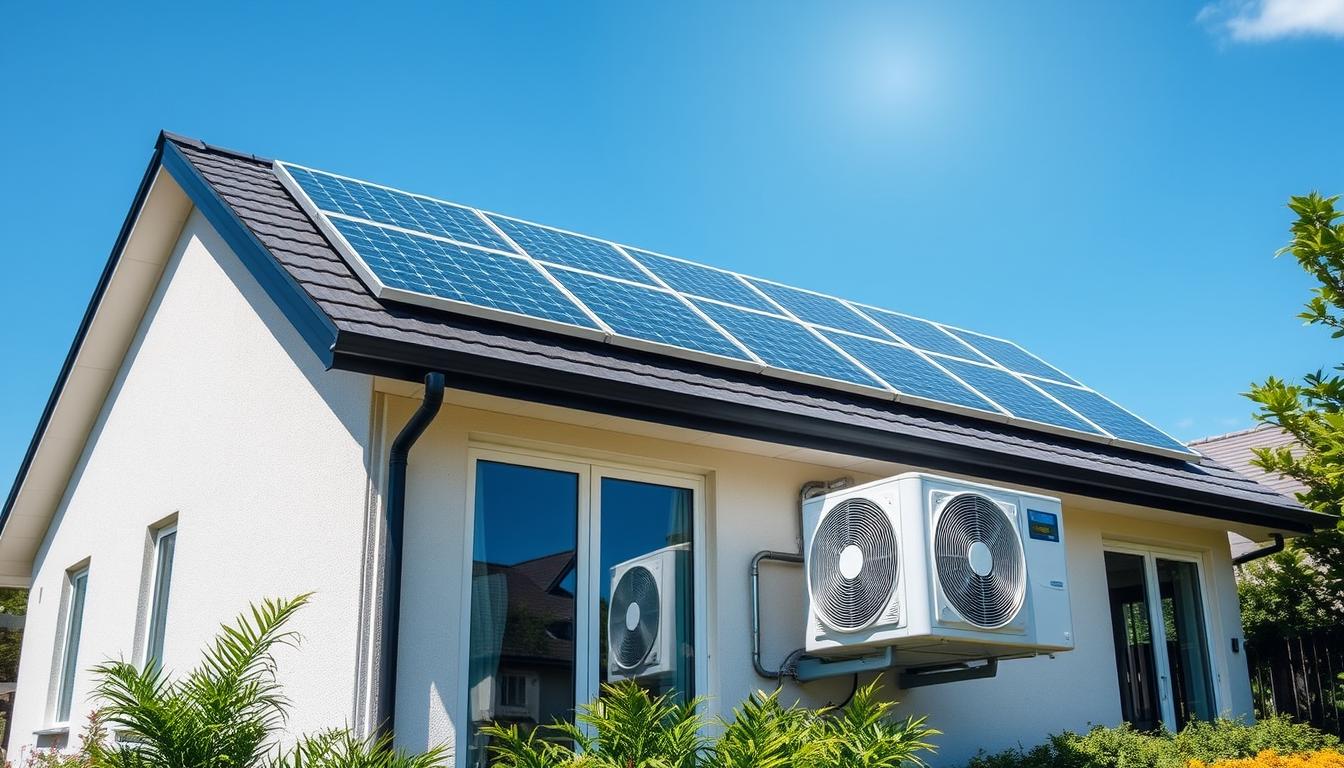
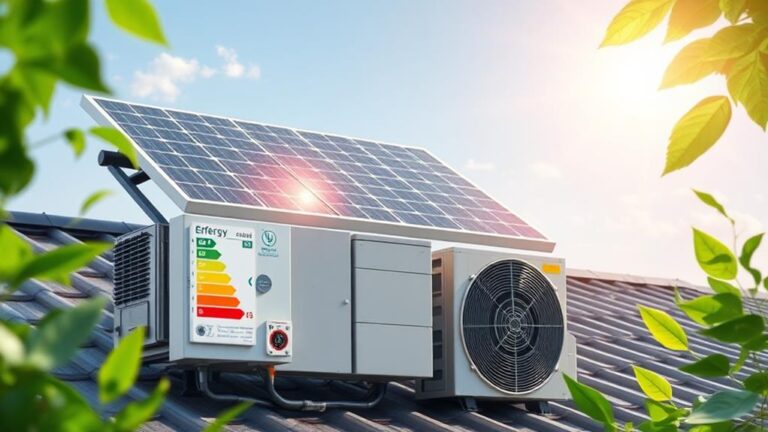
- Photovoltaic Panels: Convert sunlight into direct current (DC) electricity.
- Inverter: Switch DC to the alternating current (AC) used by the compressor.
- Battery Storage (Optional): Stores excess solar energy for use during evening hours or overcast days.
- Smart Controls: Regulate temperature based on real‑time solar output, ensuring optimal performance.
Many manufacturers now offer integrated kits where the PV array, inverter, and AC unit are designed to work together. This integration reduces installation complexity and enhances reliability.
Environmental and Economic Payoffs
According to a 2022 study by the International Renewable Energy Agency, a typical residential solar‑AC system can cut household carbon emissions by up to 8 tCO₂ per year, roughly equivalent to planting 30–40 trees.
On the economic side, the payback period for a 5 kW solar‑AC system in high‑sun regions is typically 4–6 years, depending on local incentives. Once the system is paid off, the homeowner enjoys near‑zero cooling costs, a significant advantage during the peak heat season.
Beyond Individual Homes
Commercial buildings and data centers are also tapping into this trend. For example, a 2023 pilot project in Barcelona installed a 15 kW solar‑powered AC array across a 3,000‑sq‑ft office space, reducing its cooling bill by 60 % and saving 1.2 tCO₂ annually.
Challenges That Still Need Addressing
Despite the promise, several hurdles remain:
- Initial Cost: Even with incentives, upfront capital is higher than conventional systems.
- Storage Costs: Batteries add to the price, though prices are falling steadily.
- Maintenance: Solar panels require periodic cleaning, especially in dusty or coastal areas.
- Grid Integration: In regions with poor grid infrastructure, connecting a large solar‑AC system can be complex.
However, ongoing technological advances—such as bifacial panels, perovskite cells, and AI‑driven energy management—are gradually lowering barriers.
Policy and Market Outlook
Many governments are now incorporating solar‑powered AC targets into national climate action plans. The U.S. Department of Energy, for instance, aims to double the deployment of solar‑AC systems by 2030. In Europe, the European Commission’s Fit for 55 package encourages the electrification of cooling, positioning solar‑powered AC as a key component.
Is a Solar‑Powered AC Right for You?
Evaluating suitability involves assessing:
- Solar Resource – Annual sun hours and roof orientation.
- Cooling Load – Size and efficiency of the AC unit needed.
- Incentive Availability – Local rebates, tax credits, or net‑metering policies.
- Budget and Financing – Upfront costs versus long‑term savings.
Once these factors are weighed, the decision can be as clear as a sunny day—solar‑powered AC can be a smart, sustainable choice for many households and businesses.
Frequently Asked Questions
Q: How much can I save on my electricity bill by switching to a solar-powered AC?
A: In high‑sun regions, savings can range from 20 % to 35 % on cooling costs during peak summer months, depending on the size of the PV system and local electricity rates.
Q: Do I need a battery to run a solar-powered AC?
A: Batteries are optional. A grid-tied system can operate during daylight, and excess power can be fed back into the grid. Batteries are useful for nighttime or cloudy periods, especially in regions with high night‑time temperatures.
Q: Will a solar-powered AC be as reliable as a conventional one?
A: Yes. Modern inverter‑based AC units are designed to handle variable input from PV panels and can maintain consistent cooling performance under most weather conditions.
Q: How long does a typical solar panel and inverter last?
A: Most panels come with a 25‑year warranty, while inverters generally last 10–15 years before requiring replacement.
As solar technology continues to improve and policy support grows, the regional trend toward solar‑powered AC is set to accelerate, offering a practical pathway to beat the heat while keeping our planet cooler.
:quality(30):format(webp):focal(0.5x0.5:0.5x0.5)/tribunnews/foto/bank/originals/Tanggal-24-Desember-2024-memperingati-hari-apa-3er23e1.jpg)