Remembering Nottingham 2003: Life, Culture & Change
Living in Nottingham in 2003 felt like stepping into a city caught between its industrial past and a budding creative future. Residents woke up to a mix of refurbished terraced houses, bustling market stalls, and a university scene that was already humming with fresh ideas.
Living in Nottingham in 2003: Housing and Neighborhoods
The city’s housing stock was a patchwork of Victorian terraces, post‑war council blocks, and a growing number of converted lofts. Areas like Lenton and Wollaton attracted students and young professionals, while suburbs such as West Bridgford offered more spacious family homes. Many owners took pride in restoring period features—think original sash windows and ornate cornices—while landlords began modernising flats with central heating, a luxury that was still rare in some council estates.
Rent prices, though lower than today, reflected a modest rise as demand increased. A typical two‑bedroom flat in the city centre could be secured for around £400–£500 per month, whereas a house in the leafy suburbs often hovered near £600. The affordability made Nottingham a popular choice for newcomers seeking a balance between city excitement and manageable living costs.
Job Market and the Local Economy
2003 saw Nottingham’s economy diversifying beyond its historic lace and textile roots. The service sector—particularly retail, health care, and education—was the largest employer. The rise of the Creative Quarter around the Lace Market drew designers, photographers, and start‑ups eager to tap into the city’s artistic vibe.
While unemployment hovered around 6 %, the city benefitted from a steady influx of graduates from the University of Nottingham and Nottingham Trent University. These fresh graduates often filled roles in burgeoning tech firms, many of which set up in converted warehouses along the River Trent, adding a low‑key yet palpable tech buzz to the cityscape.
Culture, Music, and Nightlife
Nottingham’s cultural heartbeat in 2003 was unmistakable. The legendary Rock City venue hosted rising bands that would later achieve mainstream fame, while the Nottingham Playhouse offered a mix of classic and contemporary productions. Independent record stores on Hockley Street still stocked vinyl, catering to an audience that valued the tactile music experience.
Nightlife thrived in the Lace Market’s narrow alleys and the vibrant student districts of the Forest and University Park. Pubs like The Old Angel and The Crown continued to serve as communal hubs where locals exchanged stories over pints of Nottingham’s own brews. For a more eclectic scene, the annual Nottingham Jazz Festival attracted musicians from across the UK, adding a sophisticated layer to the city’s night‑time offerings.
Getting Around: Transport in 2003
Public transport was primarily bus‑centric, with Nottingham City Transport operating an extensive network that connected suburbs to the city centre. The introduction of the tram system was still a few years away; however, the existing bus routes were generally reliable, albeit occasionally crowded during peak hours.
For cyclists, the city began laying down modest bike lanes, especially along the River Trent’s towpath, hinting at the more extensive cycling infrastructure that would emerge later. Car owners still faced relatively high parking fees in the centre, a factor that nudged many young residents toward public transport or walking.
Education and Youth Scene
The twin universities dominated the academic landscape, drawing a diverse student body from across the Commonwealth and Europe. Both institutions expanded their campus facilities in 2003, adding new lecture halls and research labs that reinforced Nottingham’s reputation as a research hub.
Youth culture extended beyond academia. Skate parks, such as the one in the Arboretum, buzzed with activity, while local libraries hosted evening workshops ranging from creative writing to early computer coding. Community centres also offered after‑school programs, fostering a sense of belonging for teenagers navigating the transitional phase between school and university.
Memorable Events of the Year
- Nottingham Pride 2003 – The inaugural Pride parade marched through the city’s streets, celebrating diversity and marking a milestone for LGBTQ+ visibility in the Midlands.
- Eurovision Song Contest 2003 – Although hosted in Riga, the local radio stations rallied around the UK entry, creating a city‑wide listening party that highlighted Nottingham’s communal spirit.
- Launch of the Nottingham Contemporary – While the gallery officially opened in 2009, its planning and fundraising stages were well underway in 2003, signaling a future cultural landmark.
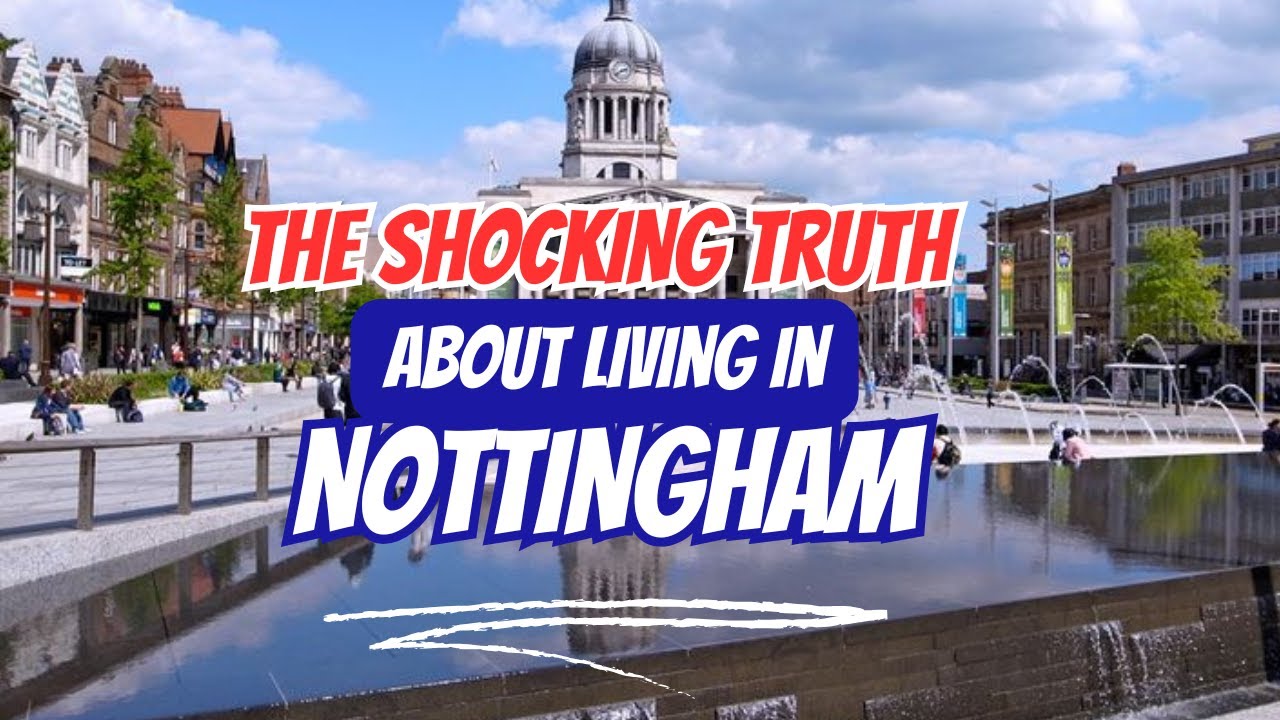
These events, along with the everyday rhythm of market days at the historic Old Market Square, stitched together a vivid tapestry of life in Nottingham during that year.
FAQ
What was the average rent for a one‑bedroom flat in Nottingham in 2003?
Typically, a one‑bedroom flat in the city centre cost between £300 and £400 per month, while suburban options were slightly cheaper.
Which neighbourhoods were most popular among students in 2003?
Students gravitated toward Lenton, Forest, and University Park due to proximity to campus facilities and a lively social scene.
How did residents primarily commute before the tram system?
The majority relied on the extensive bus network operated by Nottingham City Transport, supplemented by walking, cycling, and occasional car use.
Were there any major cultural festivals in Nottingham that year?
Yes, the first Nottingham Pride parade and a series of jazz and music festivals added a festive flair to the city’s calendar.