Saudi Arabia’s Economy in 2025: What You Need To Know
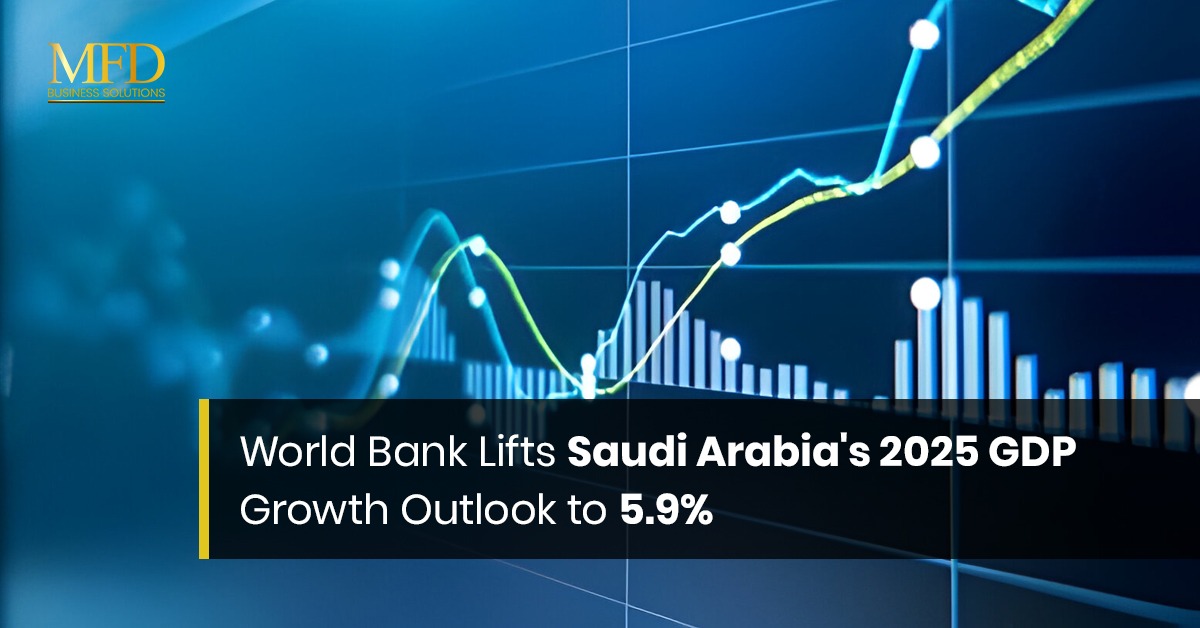
The Kingdom is at a pivotal crossroads. As 2025 arrives, Saudi Arabia is no longer just the global petroleum giant we’ve known for decades. It is a nation in the midst of a massive, high-stakes transformation. Vision 2030 is no longer a distant blueprint; it is the operating system driving daily economic life.
If you are an investor, a job seeker, or simply trying to understand global markets, the shifts happening here matter. The old model of "oil for everything" is fading, replaced by a complex mix of tourism, technology, and renewable energy. But how successful has it really been? And what does the landscape actually look like right now?
Beyond the Barrel: The Diversification Push
Let’s be clear: oil is still king, but it’s not the only ruler. In 2025, crude exports remain the backbone of government revenue, especially as global energy transitions slow down more than feared. However, the share of GDP coming from non-oil sources has grown significantly.
The strategy is simple but difficult to execute. Reduce reliance on volatile oil prices by building massive alternative industries. This isn’t just about planting palm trees. It’s about constructing a new economic identity. You see this in the rise of the financial sector, entertainment groups, and a burgeoning tech startup scene. The goal is resilience. When barrel prices dip, the rest of the economy keeps the lights on.
The Gigaproject Reality Check
Walk through the desert near Riyadh, and the future is literally being poured into the sand. NEOM, The Line, and Diriyah Gate are not just buzzwords anymore. They are constructions sites of historic proportions.
By 2025, these projects have moved from glossy renders to tangible infrastructure. The Line has visible foundations. NEOM’s oxagon industrial zone is beginning to attract heavy manufacturing partners. But there’s a nuance here that often gets lost in the hype. These are long-game bets. They won’t drive immediate GDP growth in a single quarter. They are aiming for long-term structural change.
For locals and investors alike, the question isn’t just "Will it finish?" It’s "Will it work financially?" The Kingdom is investing hundreds of billions. The return on investment might take decades, but the intent is to make Saudi Arabia a global hub for logistics, tourism, and high-tech industry.
Tourism: A New Revenue Stream
Remember when you needed a visa to visit Saudi Arabia? Those days are gone. The tourist visa process has been streamlined, and the results are showing up in the numbers. 2025 marks a year where tourism is no longer a niche interest but a major economic pillar.
It’s not just religious tourism, though that remains huge. The push is for "leisure" and "business" tourism. Red Sea Global resorts are opening. AlUla is becoming a cultural hotspot attracting global festivals and high-end hotels. The government wants people to come, stay, and spend. And they are succeeding. Hotels are booking out, and airlines are adding routes. This influx of foreign currency helps balance the books when oil takes a hit.
The changing Labor Market
If you are looking for work, the rules have changed. The concept of "Saudization" (Nitaqat) is evolving into "Saudization of Talent." It’s no longer just about filling headcount quotas in retail or hospitality. The focus is shifting toward high-skill roles in tech, engineering, and finance.
Young Saudis are better educated than ever. They are entering the workforce expecting modern working conditions, flexible benefits, and career progression. The private sector is struggling to adapt. Wages in certain sectors are rising as companies compete for local talent. For expats, the market is tightening. The days of easy, low-skill jobs are disappearing, replaced by a demand for specialized expertise that complements the local workforce.
Digital First and Fintech Boom
Saudi Arabia is jumping straight to digital maturity. Skip the landline era, skip the basic internet phase. The Kingdom is all-in on fintech, AI, and e-commerce. Companies like STC Pay and Urpay have disrupted the cash-heavy tradition. Digital payments are now the norm, not the exception.
In 2025, the regulatory environment for crypto and Web3 assets is still cautious, but robust. The focus is on blockchain utility for trade and finance, not speculation. This digital leap is making the business environment remarkably efficient. Opening a company, registering property, and paying taxes can be done largely online. It’s a huge quality-of-life improvement for residents and a magnet for remote workers and tech entrepreneurs.
Challenges and Risks
It’s not all smooth sailing. The transformation requires massive spending, which means debt levels are rising. While manageable, the fiscal pressure is real. If oil prices collapse or stay low for an extended period, the budget gap widens.
There’s also the regional geopolitical context. Stability is crucial for investment. While Saudi Arabia is using oil diplomacy to stay neutral or bridge gaps, regional tensions always cast a shadow. Investors watch these headlines closely. Additionally, the sheer scale of the gigaprojects raises questions about sustainability. Can the water and energy resources support such massive urban development in the desert? The answers are still being written.
What This Means for You
Whether you are looking to invest capital, move your business, or find a job, the key takeaway is adaptability. The Saudi economy of 2025 is dynamic and fast-moving. The old rules don’t apply. Success here requires understanding both the traditional energy roots and the ambitious, non-oil superstructure being built above them.
The Kingdom is betting on itself. And with its wealth, political will, and young population, it has the resources to pull off a remarkable turnaround. But it’s a long road. The excitement is real, but so are the challenges.
FAQs
- Is it a good time to invest in Saudi Arabia in 2025?
Many analysts say yes, particularly in sectors aligned with Vision 2030 like renewables, tourism, and logistics. However, due diligence is essential, and you should consider the risks associated with rapid development and geopolitical stability.
- How has the visa policy changed for tourists?
The Kingdom has significantly eased visa restrictions. Tourists from many countries can now obtain e-visas or visas on arrival. The goal is to double tourist visits, making the process smoother and more accessible than ever before.
- What industries are hiring aggressively?
Tech, construction (for gigaprojects), hospitality, and renewable energy are seeing high demand. There is a specific push for skilled locals in these fields, but specialized expat talent is still needed in niche areas where local training is still catching up.
- Will oil prices dictate the economy in 2025?
Oil remains critical for government revenue, but its direct impact on daily economic activity is lessening. The goal is to insulate the broader economy from oil volatility, though a major price crash would still have significant macroeconomic effects.