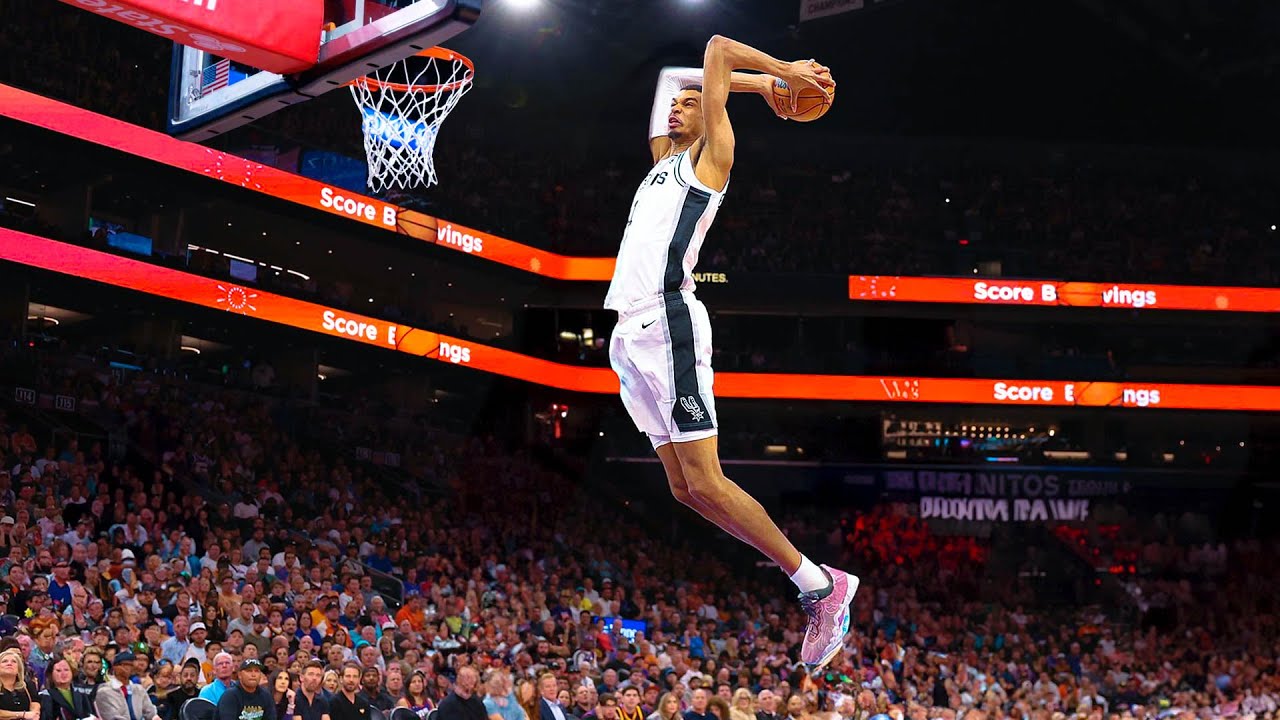
Slam Jam: How to Dominate the Court with Powerful Dunking Action
If you’ve ever watched a fast‑break finish with a thunderous splash, you know that the impact of a well‑executed dunk can change the momentum of a game—and the mood of a crowd. That is the essence of the Slam Jam style: a blend of explosive power, refined technique, and relentless confidence that turns the court into a personal stage. In this guide we’ll break down the mechanics, training, gear, and mindset that let players lift off the floor and leave defenders in the dust.
What Makes a Slam Jam Dunk Stand Out?
At its core, a Slam Jam dunk is about three key elements: reach, vertical leap, and timing. Reach is not just about long arms; it’s about body control and the ability to extend your hands beyond the natural limit. Vertical leap comes from a combination of leg strength and plyometric explosiveness. Timing, perhaps the most subtle of the trio, requires an acute sense of the ball’s trajectory and the defender’s position.
When these elements sync, the dunk feels effortless, even when the player is surrounded by double‑team pressure. That fluidity is what separates a routine dunk from a memorable Slam Jam moment.
Training Regimens to Master Dunking Action
Building the foundation for a powerful dunk is a long‑term commitment. Here are the pillars of an effective program:
- Strength Workouts
Squats, deadlifts, and lunges develop the posterior chain that fuels vertical jumps. Aim for 3–4 sessions per week, keeping sets within 6–8 reps for maximal force. - Plyometric Drills
Box jumps, depth jumps, and bounding exercises translate strength into explosive power. Incorporate 2–3 plyometric sessions weekly, allowing 48 hours of recovery between sessions. - Skill Drills
Practice rim approaches, catching, and shooting off the bounce to refine footwork and timing. A dedicated skill day each week helps translate physical gains into on‑court application. - Conditioning and Flexibility
Core stability, hip mobility, and ankle flexibility reduce injury risk and improve launch mechanics. Include dynamic warm‑ups and static stretches after every session.
Consistent progression—adding weight, volume, or intensity gradually—ensures sustainable growth and keeps the body adapting.
Gear and Apparel for Optimal Performance
Shoes that Enhance Vertical Leap
The right shoes can give you an extra inch in the air. Look for:
- Low‑profile midsoles to maximize foot‑to‑ground contact.
- Firm, responsive cushioning that snaps back quickly.
- Good ankle support to protect the joint during high‑impact landings.
Court Surface and Equipment
Hardwood courts with a moderate bounce are ideal for dunking, but be sure to:
- Check for cracks or uneven boards that could affect foot placement.
- Keep the rim free of debris and ensure a solid backboard grip.
- Use a properly inflated basketball to maintain predictable flight.
Attention to detail in gear and environment can shave off a fraction of an inch from your vertical.
Game‑Day Tactics: How to Use Your Dunk to Dominate
When you step onto a live court, the strategic application of the dunk matters as much as the physical execution:
- Read the Defense Early
Identify when a defender’s focus will shift. A pre‑planned fake can create space for a clean rim entry. - Utilize the Crowd
A loud, supportive crowd can give you an adrenaline boost that pushes your vertical higher. Harness that energy by timing your approach for maximum impact. - Follow Up with a Quick Pass
A well‑timed dunk can open up passing lanes. If you see an open teammate after the dunk, be ready to release a fast break.
Mastering these tactics turns a solo highlight into a team advantage.
Real‑World Examples: Players Who Nail the Slam Jam
From the NBA to college hoops, several athletes have turned dunking into a signature move:
- Michael Jordan – His mid‑air artistry set a standard for creativity.
- LeBron James – Known for using his size to dominate in the paint.
- Avery Bradley – A modern example of combining power and agility for spectacular dunks.
Studying their footwork and timing can provide actionable insights for players at all levels.
Common Mistakes and How to Avoid Them
- Over‑extending the arm – leads to loss of balance.
- Neglecting ankle mobility – increases risk of sprains.
- Failing to land softly – can damage knees and hips.
- Ignoring body rhythm – undermines the timing of the dunk.
Regular drills focused on balance, landing mechanics, and body awareness counter these pitfalls.
FAQ
Q1: How many inches of vertical leap are needed to dunk?
A: While the exact requirement varies by height, most players need a vertical of at least 30 inches to reliably dunk on a standard rim.
Q2: Can I improve my dunk after age 25?
A: Absolutely. Focus on strength, plyometrics, and proper technique, and you can see significant gains regardless of age.
Q3: What’s the safest way to practice dunking on a home court?
A: Use a foam or padded rim, keep a safety net or crash mat nearby, and avoid over‑repeating high‑impact landings without adequate recovery.