Sports & Spine Health: A Practical Guide to Safe Activity
When you lace up your sneakers or pick up a ball, you’re not just engaging in sport—you're giving your spine a chance to move, strengthen, and stay healthy. Understanding how sports and spine health interact helps you stay active without compromising your back.
Sports and Spine Health: Why the Connection Matters
The spine is more than a stack of vertebrae; it’s the central support system for movement, posture, and protection of the spinal cord. Regular movement from sports can keep discs hydrated, ligaments flexible, and muscles balanced. Conversely, the wrong type of activity or poor technique can accelerate wear, leading to pain or injury.
How Exercise Influences the Spine
Dynamic activities stimulate blood flow, delivering nutrients to intervertebral discs. They also promote the production of lubricating fluid, which keeps joints smooth. Additionally, engaging core and back muscles during play stabilizes the spine, reducing the load on passive structures.
Common Sports Risks for the Spine
High-impact collisions, repetitive twisting, and sudden loading can strain the lumbar and cervical regions. Sports such as football, gymnastics, and weightlifting place particular demands on spinal integrity. Knowing the risk factors allows athletes to modify techniques or choose safer alternatives.
Building a Spine‑Friendly Exercise Routine
A balanced routine that blends strength, flexibility, and endurance protects the spine while still delivering performance gains.
Core Strengthening Basics
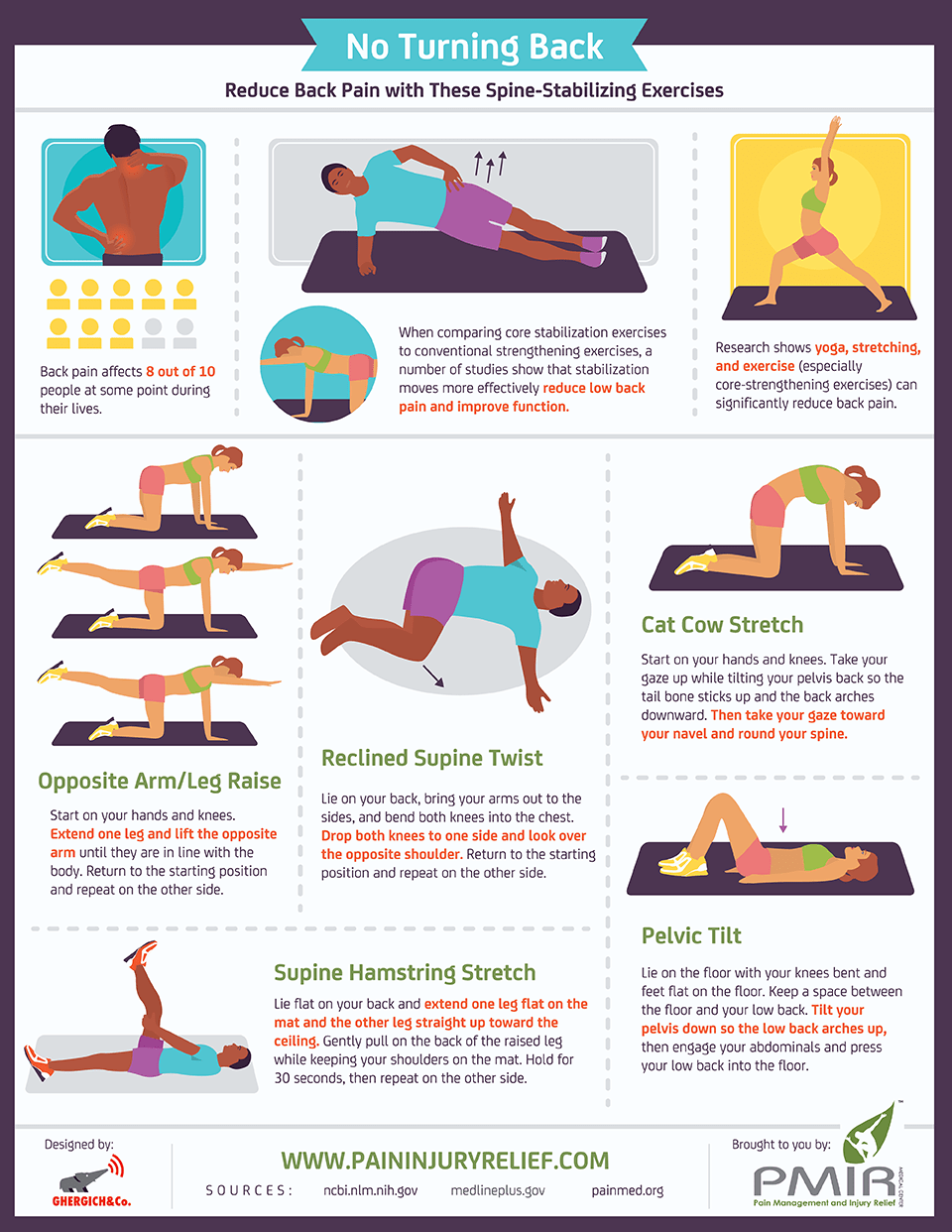
- Planks and side planks hold the vertebrae in alignment.
- Dead bugs and bird‑dogs engage deep stabilizers without overloading the back.
- Progress gradually—short holds and slow tempos build resilience.
Flexibility and Mobility
Incorporate dynamic stretches before play and static stretches afterward. Gentle cat‑cow movements open the thoracic spine, while hamstring and hip flexor releases reduce lumbar tilt. Mobility drills for the shoulders help maintain posture during overhead sports.
Proper Warm‑Up and Cool‑Down
A 10‑minute warm‑up with light cardio and joint circles prepares the spine for load. Cooling down with deep breathing and a full-body stretch encourages recovery and reduces stiffness.
Choosing the Right Sports for Your Spine
Not all sports are created equal when it comes to spinal impact. Selecting activities that align with your spine’s health status can make all the difference.
Low‑Impact Options
Swimming, stationary cycling, and Pilates place minimal stress on the spine while still offering cardiovascular and strength benefits. The buoyancy of water reduces compressive forces, making these great for those with chronic back concerns.
Moderate‑Impact Activities
Running on soft terrain, tennis, and basketball involve moderate impact, but proper footwear and technique can mitigate injury risk. Emphasize controlled landings, avoid overstriding, and rotate ball usage to keep strain balanced.
High‑Impact Sports and Precautions
Contact sports like football or rugby demand protective gear and disciplined drills. Weightlifting should start with manageable loads, emphasizing form. If you have a history of back pain, consider lighter weights or alternative strength exercises such as resistance bands.
When to Seek Professional Advice
Listening to your body is essential, but sometimes an outside perspective is required to stay safe and continue playing.
Signs Your Spine Needs Attention
Persistent dull or sharp pain that worsens with activity, numbness or tingling, or a sudden loss of mobility warrants evaluation. A professional can differentiate between muscle strain and more serious conditions like herniated discs.
What a Spine Specialist Can Offer
Orthopedic doctors, physical therapists, and chiropractors can provide personalized assessment, imaging if needed, and a tailored rehabilitation program. Early intervention often prevents chronic issues and speeds return to sport.
Quick Tips for Daily Spine Care
- Maintain neutral posture while sitting; use a lumbar roll if needed.
- Take micro‑breaks every 30 minutes to stretch and reset.
- Stay hydrated—fluid balance supports disc health.
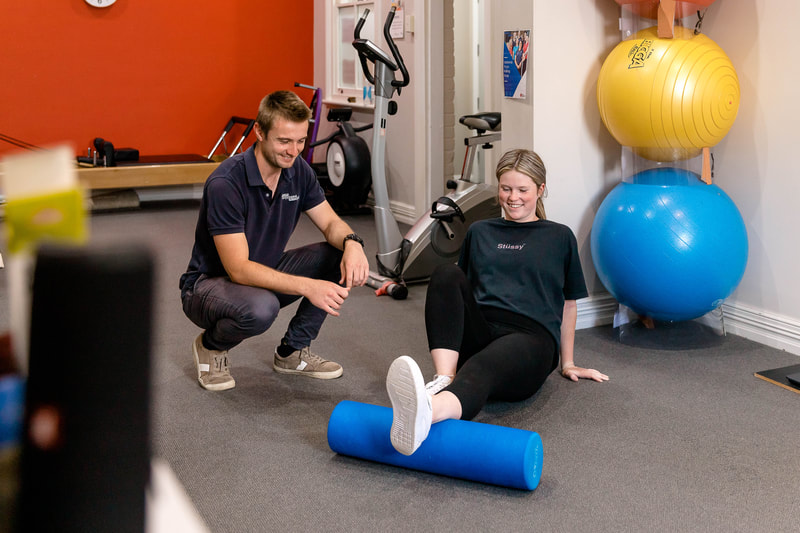
- Incorporate foam‑rolling for muscle and fascia recovery.
- Choose supportive shoes and replace them every 300–500 miles.
- Practice breathing techniques to keep core engaged during activity.
FAQs
What sports are safest for someone with a previous back injury?
Low‑impact activities like swimming, cycling, and gentle yoga are generally the safest, but any sport can be adapted with proper form and protective gear.
Can core strength alone prevent back pain?
Core strength is vital but not sufficient. Flexibility, posture, and gradual progression of load all contribute to a healthy spine.
How often should I rest my spine after intense training?
A good rule of thumb is to allow 48 hours of recovery after high‑load sessions, but listen to your body’s signals for pain or fatigue.
Is a chiropractor always necessary for back pain?
No, but they can be beneficial for targeted spinal adjustments and when other conservative measures have not resolved symptoms.