ST vs SC Fiber Optic Connectors: Which Performs Better?
Understanding the Basics
When you dive into the world of fiber optics, the connector you choose can dictate everything from signal integrity to installation ease. Two of the most common types are the ST (Straight Tip) and the SC (Subscriber Connector) models. Both have been around for decades, yet they serve slightly different niches. In this article we’ll unpack their designs, typical use‑cases, and the subtle trade‑offs that determine which one might be the right fit for your network.
Design Differences at a Glance
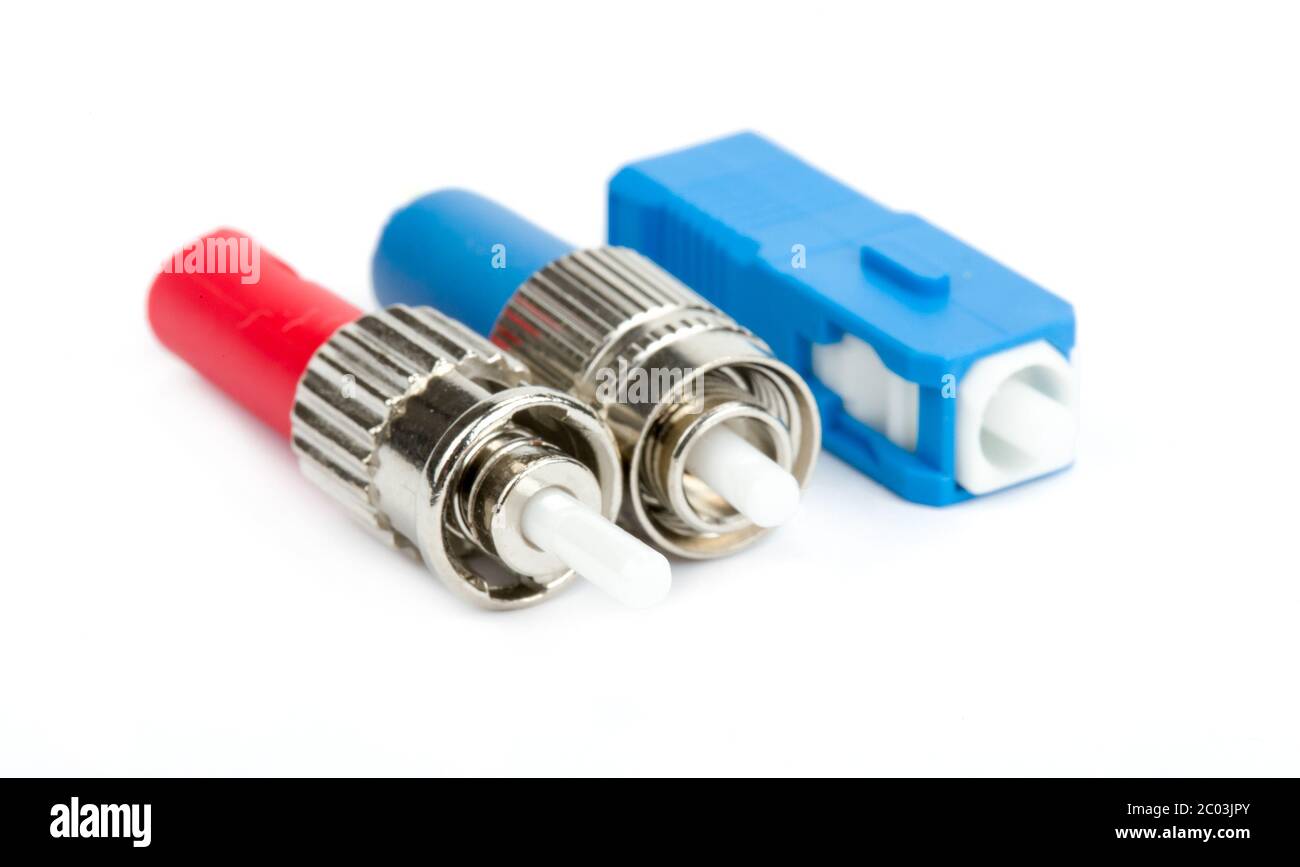
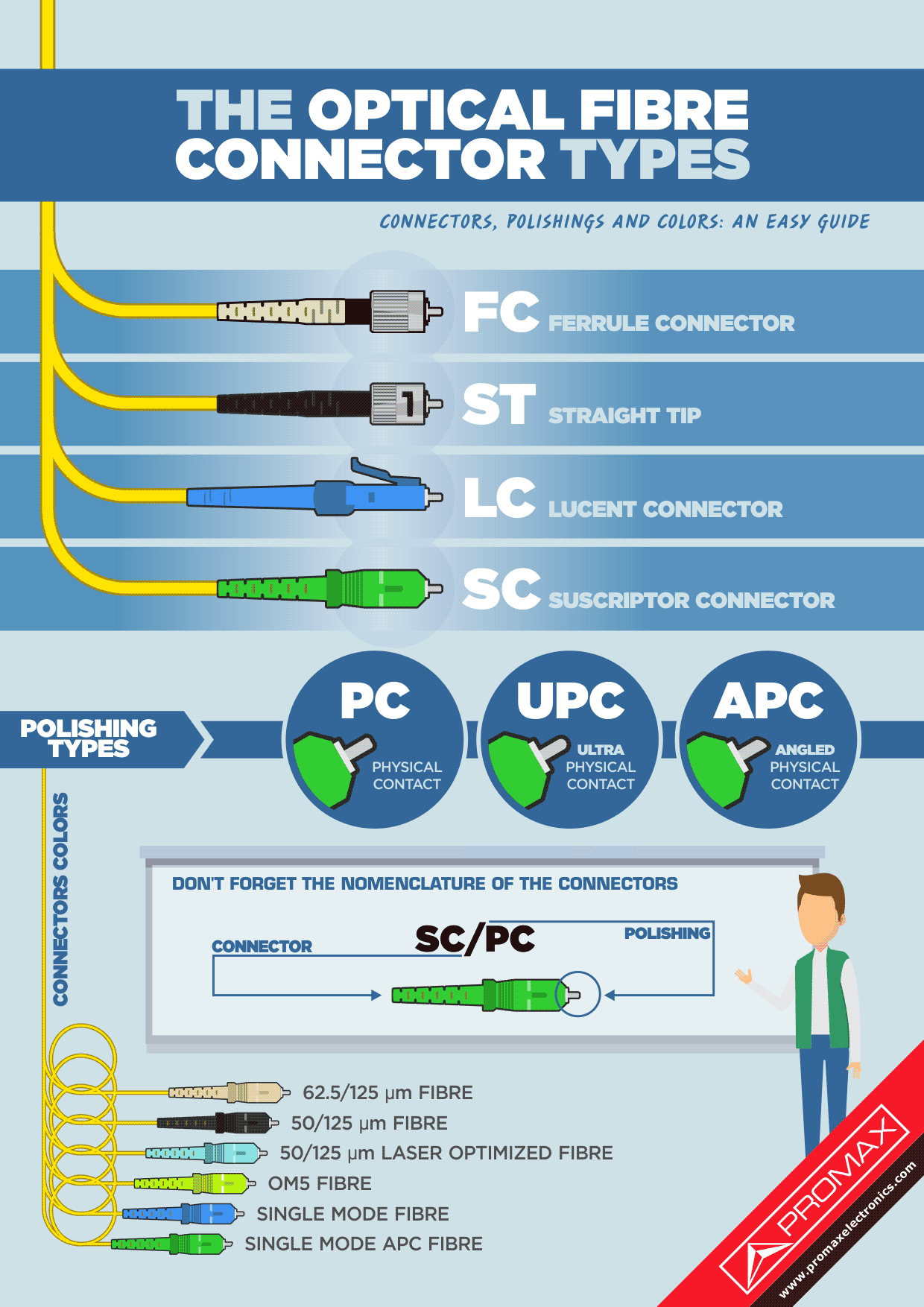
- ST Connector: Features a ceramic ferrule with a 2.5 mm core and a bayonet‑type twist‑lock. The “ST” name comes from “Straight Tip,” reflecting its straight‑through polishing.
- SC Connector: Uses a push‑pull latch and a slightly larger 2.5 mm ferrule. The SC’s square‑shaped body makes it easier to align with panel slots.
Both connectors rely on physical contact (PC) or ultra‑physical contact (UPC) polishing to minimize back‑reflection, but the mechanical coupling method—bayonet versus push‑pull—has practical implications.
Installation and Handling
The SC’s latch feels more like a tiny door that snaps shut, which most technicians find intuitive. It also tends to stay locked under vibration, making it a favorite for data‑center racks where equipment moves frequently. ST connectors, on the other hand, require a quarter‑turn twist to engage the bayonet. That extra motion can be a nuisance in tight spaces, yet many field workers appreciate the tactile feedback that confirms a secure lock.
From a durability standpoint, the SC’s plastic housing tends to absorb minor impacts better than the all‑metal body of the ST. However, the ST’s stainless‑steel shell offers excellent resistance to corrosion, especially in harsh outdoor or marine environments.
Performance Characteristics
Signal loss (attenuation) and back‑reflection (return loss) are the two metrics that matter most in a fiber link. In laboratory tests, both ST and SC connectors typically achieve insertion losses below 0.5 dB and return losses better than –55 dB when properly polished. Real‑world performance, however, can diverge based on handling and mating cycles.
Because the SC’s push‑pull mechanism provides a more consistent mating force, it often maintains lower insertion loss over many cycles. ST connectors can exhibit a slight increase in loss after repeated twists, especially if the bayonet pins become worn.
Typical Applications
ST Connectors
- Legacy multimode networks, especially those built in the 1990s.
- Industrial or outdoor installations where corrosion resistance is critical.
- Environments where a twist‑lock is preferred for its audible “click.”
SC Connectors
- Modern single‑mode backbone links in enterprise data centers.
- Fiber‑to‑the‑home (FTTH) deployments that use patch panels with SC slots.
- High‑density patch cords where the rectangular shape saves panel space.
Cost and Availability
Both connector types are widely produced, but SC parts often edge out in price competitiveness thanks to higher demand in current telecom builds. ST connectors can be a little pricier, especially when you need ruggedized, weather‑sealed variants. That said, the cost difference is usually a few cents per connector—hardly a deciding factor unless you’re ordering millions.
Choosing the Right Connector for Your Project
Start by mapping out the operating environment. If you’re upgrading an existing multimode plant that already uses ST panels, swapping to SC may involve costly panel replacements. Conversely, if you’re designing a new backbone with a focus on future‑proofing, SC’s ease of use and proven performance in single‑mode systems make it a safe bet.
Don’t overlook the human factor. Technicians trained on SC connectors can complete terminations faster, reducing labor costs. In contrast, teams accustomed to ST may prefer the familiar twist‑lock, especially in field deployments where speed is essential.
Common Pitfalls to Avoid
One mistake that shows up repeatedly is mixing connector types on the same patch panel. The mismatch forces you to use adapters, which introduce extra loss points and potential points of failure. Another oversight is neglecting proper polishing techniques; a poorly polished ferrule can nullify any advantage the connector type offers.
Finally, keep an eye on the number of mating cycles. Even the best‑crafted connector will degrade after thousands of connections. If your network requires frequent re‑patching, consider using SC connectors for their superior durability in high‑cycle scenarios.
FAQ
Is there a noticeable performance difference between ST and SC connectors?
In controlled lab conditions, both meet similar specifications for loss and return. In practice, SC connectors often retain lower loss over many mating cycles due to their push‑pull latch.
Can I use an ST connector on a single‑mode fiber?
Yes, ST connectors are available for both multimode and single‑mode fibers. However, many modern single‑mode deployments favor SC because of its compatibility with newer patch panels.
Which connector is better for outdoor installations?
ST’s stainless‑steel housing provides excellent corrosion resistance, making it a solid choice for harsh outdoor or marine settings. SC connectors can also be weather‑sealed, but they are more common in indoor, controlled environments.
Do SC connectors support higher data rates?
Both connector types can handle the bandwidth demands of 10 GbE, 40 GbE, and beyond when properly installed. The limiting factor is usually the fiber type and transceiver, not the connector itself.