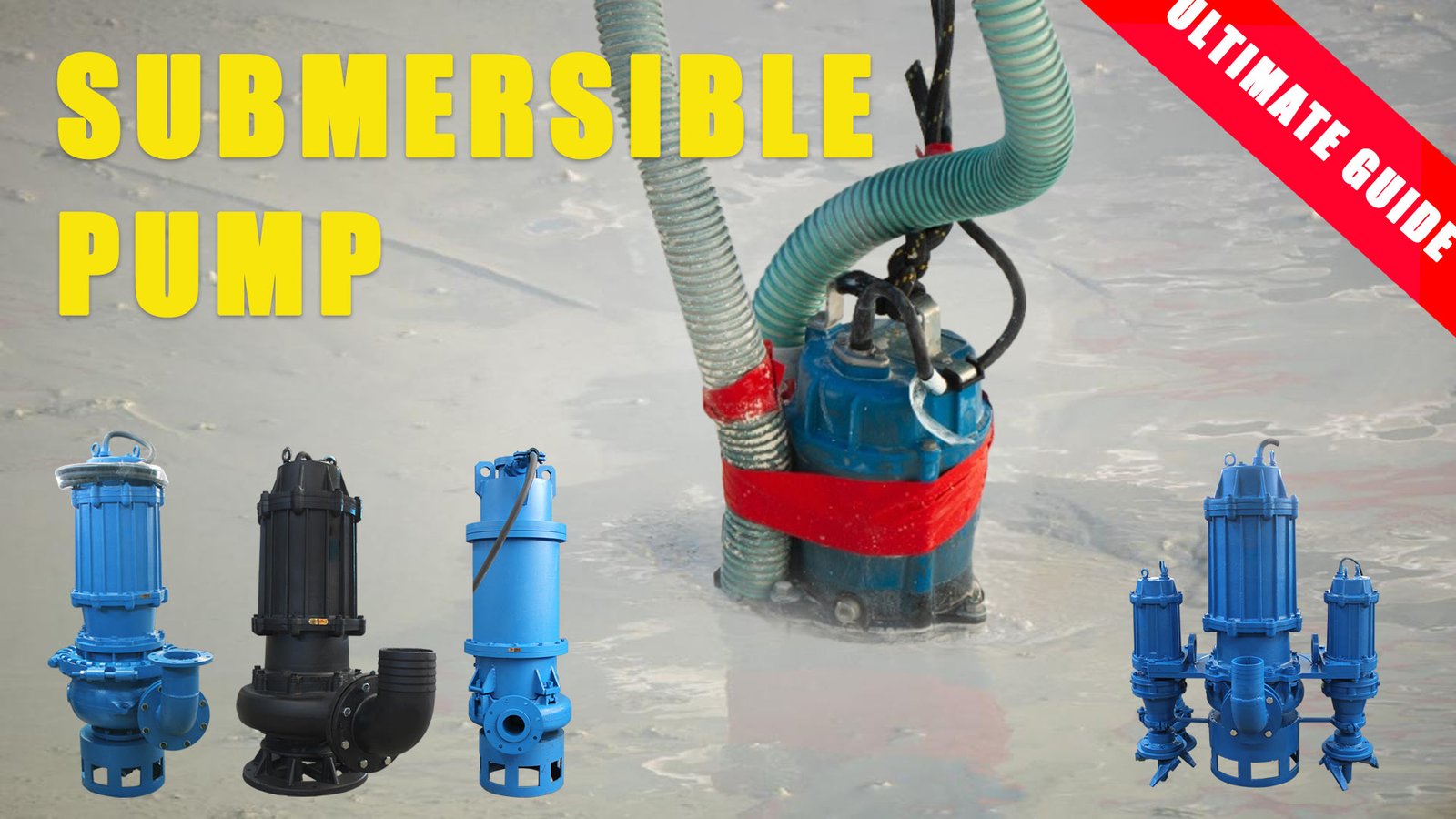
Submersible Water Pumps In Thailand: A Complete Buying Guide
When you’re dealing with flooded rice fields, a residential well, or a small hydro‑project in the Land of Smiles, the right submersible water pump can make the difference between a smooth operation and a costly headache. Submersible water pumps in Thailand are designed to handle a variety of climates, water qualities, and power conditions, but choosing the perfect unit isn’t always straightforward. This guide walks you through the key considerations, local brands, and practical tips to help you make an informed decision.
Understanding the Basics of Submersible Pumps
Unlike surface pumps that sit above the water line, submersible models are sealed, motor‑driven units that sit directly in the fluid they move. This design eliminates cavitation, reduces noise, and generally yields higher efficiency—especially important in tropical environments where energy costs can add up quickly.
- Self‑priming: No need to bleed air before start‑up.
- Compact footprint: Ideal for tight boreholes or narrow drainage channels.
- Corrosion resistance: Many Thai units feature stainless‑steel or reinforced polymer housings to combat the region’s humidity and occasional acidic water.
What to Look for When Choosing a Submersible Water Pump In Thailand
Not every pump will suit every job. Here are the factors that typically matter most to Thai buyers.
1. Flow Rate and Head
The flow rate (measured in cubic meters per hour, m³/h) tells you how much water the pump can move, while the head indicates the height it can push that water. For a shallow irrigation ditch, a modest 2 m³/h at 10 m head may be enough. A deeper well, however, could require 8 m³/h at 30 m head or more. Always match the pump’s curve to the specific elevation and volume needs of your site.
2. Power Supply Compatibility
Thailand’s electrical grid primarily offers 220 V single‑phase for residential use and 380 V three‑phase for industrial settings. Some remote farms rely on solar or diesel generators, so look for pumps that can handle a range of voltages or that come with optional inverter kits. Efficiency ratings (kW per m³/h) will give you a sense of operating cost.
3. Water Quality
Water in coastal provinces can be salty, while inland sources may carry sediment or organic debris. Pumps with “abrasion‑resistant” impellers or “corrosion‑proof” motor housings are worth the extra investment if you expect gritty or slightly saline water. In areas prone to algae blooms, consider a model with a built‑in filter or a removable screen.
4. Installation Depth and Borehole Size
Most submersible pumps are rated for a maximum depth—often 50 m for domestic models and up to 120 m for agricultural units. Check the pump’s diameter against your borehole’s inner width; a snug fit prevents vibration but allows easy removal for maintenance.
5. Brand Reputation and After‑Sales Service
Thai buyers frequently trust local manufacturers such as Thai Pump Co. and Bangkok Submersibles, which provide on‑the‑ground service centers in Bangkok, Chiang Mai, and the southern provinces. International brands like Grundfos and Franklin Electric also have distributors here, but parts may take longer to arrive. A solid warranty (typically 2‑3 years) and accessible spare parts are crucial for minimizing downtime.
Top Local and International Brands Available in Thailand
Below is a quick snapshot of popular choices, grouped by typical application.
- Thai Pump Co. – AgroLine 1500: Ideal for medium‑scale rice paddies; 1.5 kW motor, up to 25 m head.
- Bangkok Submersibles – AquaPro 300: Compact 300 W unit perfect for household wells; easy to mount on a simple PVC pipe.
- Grundfos – SQFlex: Solar‑compatible, great for off‑grid villages; adjustable flow rates via a built‑in controller.
- Franklin Electric – SubDrive 4: Heavy‑duty option for industrial drainage; robust stainless‑steel casing.
Installation Tips to Extend Pump Life
Even the best pump will suffer if installed poorly. Follow these practical steps to protect your investment.
Prepare the Borehole
Clean out any debris, then pour a thin layer of cement grout at the bottom to create a stable base. This prevents the pump from settling unevenly, which can cause motor stress.
Secure the Cable
Use a flexible conduit or protective sheath rated for underground use. A loose cable is a common cause of premature motor failure, especially during seasonal flooding when water levels shift rapidly.
Set Up a Check Valve
A simple spring‑loaded check valve installed above the pump stops backflow when the pump shuts off, protecting the motor from water hammer.
Test Before Covering
Run the pump for at least 10 minutes, monitoring pressure and temperature. Look for abnormal noises or overheating—both can signal misalignment or a blocked impeller.
Maintenance Checklist for Thai Conditions
Routine care is the cheapest way to avoid costly breakdowns. Here’s a quick monthly routine.
- Inspect the power cable for cracks or water ingress.
- Flush the pump with clean water to remove sediment buildup.
- Check the impeller for wear; replace if the blades appear dull.
- Verify the pressure gauge readings against the manufacturer’s curve.
For deeper wells, a semi‑annual professional inspection is advisable, especially after the monsoon season when debris can infiltrate the system.
Cost Considerations and Budget Planning
Prices vary widely—from around 4,000 THB for a small domestic unit to over 60,000 THB for a high‑capacity agricultural model. While initial cost is important, factor in electricity consumption, potential downtime, and the price of spare parts. In many cases, a slightly more expensive pump with higher efficiency saves enough on electricity bills to pay for itself within a few years.
Frequently Asked Questions
Can I use a submersible pump designed for freshwater in slightly salty water?
Generally, it’s safer to choose a pump with corrosion‑resistant materials if the salinity exceeds 0.5 ‰. Otherwise, the motor may rust, leading to premature failure.
What voltage do most Thai households provide for submersible pumps?
The standard residential supply is 220 V single‑phase. For larger pumps, a three‑phase 380 V connection is common in agricultural cooperatives.
Do I need a permit to install a submersible pump for irrigation?
In most provinces, private irrigation does not require a permit, but extracting water from a public river or reservoir usually does. Always check with the local water authority.
How long does a typical submersible pump last in Thailand’s climate?
With proper maintenance, a well‑chosen pump can operate reliably for 8‑10 years, though high‑temperature or highly corrosive environments may shorten that span.
![[Thai Center] Water Pump Submersible TORQUE Model TQ-SP-M120 Dry Up To ...](https://down-ph.img.susercontent.com/file/th-11134207-7r98q-m05fdeac5ihk89)