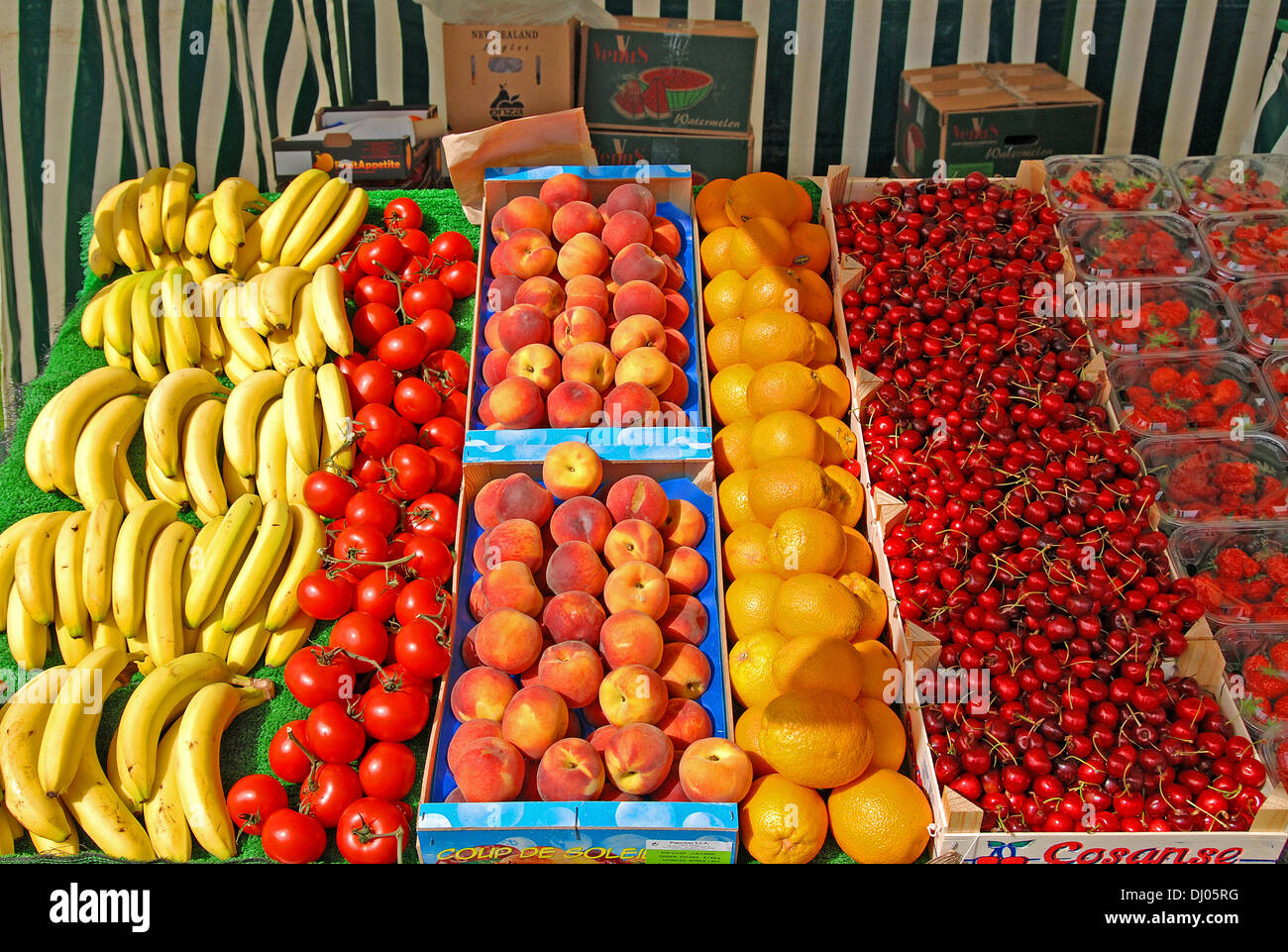
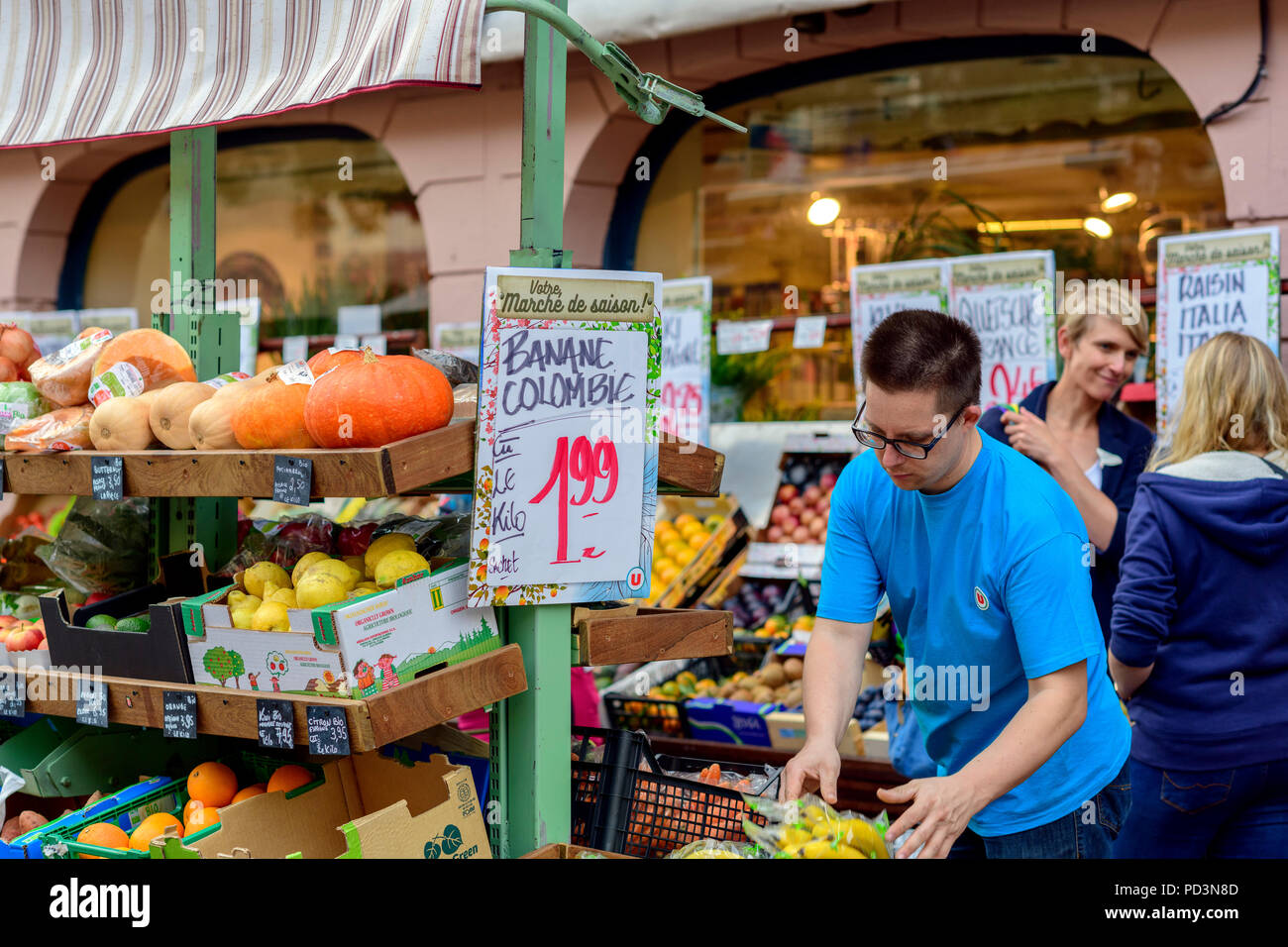
Supermarket vs Fruit Stall: Which Is Better for Fresh Fruit?
When you wander past a bustling fruit stall or glide down the polished aisles of a supermarket, the decision of where to buy your apples, bananas, or berries feels oddly personal. Is the convenience of a one‑stop shop worth the possible trade‑off in flavor? Or does the charm of a market stand guarantee a crunchier bite? Let’s unpack the practical, economic, and even ethical angles that shape the supermarket vs fruit stall debate.
Supermarket vs Fruit Stall: Price Differences
At first glance, supermarkets often sport lower shelf prices, thanks to bulk purchasing and sophisticated supply chains. A kilogram of oranges might cost a few cents less than the same weight at a roadside stall. However, the picture changes once you factor in promotions, loyalty discounts, and seasonal sales. Fruit stalls, meanwhile, can offer surprisingly competitive rates—especially when they source directly from nearby orchards during peak harvest.
- Bulk buying power lets supermarkets negotiate lower wholesale rates.
- Direct farm sales enable stall vendors to cut middlemen costs.
- Seasonal timing often determines whether the stall price undercuts the supermarket.
Ultimately, the cheaper option depends on timing, location, and how much you’re willing to haggle.
Freshness and Quality: How Do They Stack Up?
Freshness is the heart of the matter for most fruit lovers. Supermarkets receive shipments that travel long distances, sometimes spending days in refrigerated trucks before reaching the shelf. By the time you bite into a store‑bought peach, its peak sweetness may have already faded.
Fruit stalls, especially those set up near farms, typically sell produce harvested within 24‑48 hours. The visual cue—vibrant color, firm texture, and a fragrant aroma—often signals superior quality. That said, not every stall guarantees the same standard; some might display fruit that’s been sitting out longer than advertised.
When assessing quality, trust your senses. A slight give when you press a mango, a pleasant scent from a bunch of grapes, or the absence of bruises are reliable indicators regardless of venue.
Convenience and Accessibility
Supermarkets win hands down on convenience. With climate‑controlled aisles, long opening hours, and the ability to grab other groceries in one trip, they fit a busy lifestyle. Many even offer online ordering and home delivery, turning a quick click into a doorstep basket.
Fruit stalls, on the other hand, usually operate on a fixed schedule—often early mornings or weekends—and are tucked into markets, streets, or farmer’s fairs. If you live near a bustling market district, the stall can be a quick stop; otherwise, the extra travel time may outweigh the benefits.
Consider your routine: if you need a handful of berries after work, the supermarket’s 24‑hour lights might feel more reassuring than hunting down a stall that closes at dusk.
Supporting Local Economy and Community
Buying from a fruit stall often means supporting small‑scale farmers and local entrepreneurs. Money spent at a stall circulates within the community, helping sustain agricultural traditions and creating jobs that a large chain store might not directly generate.
Supermarkets contribute to the economy too, but their profits typically funnel to national or multinational shareholders. While they do provide employment, the impact is spread across a broader, less localized network.
If community impact matters to you, the stall option scores points for nurturing local livelihoods.
Environmental Impact: Footprint of Your Fruit
The carbon cost of transporting fruit from distant farms to supermarket shelves can be substantial. Long‑haul trucks, refrigeration, and packaging all add up. Many supermarkets now label produce with origin information, but the environmental toll often remains hidden.
Fruit stalls that source locally cut down on transportation emissions and often use minimal packaging—perhaps just a paper bag or nothing at all. This lower‑impact approach aligns with growing consumer interest in sustainability.
That said, not every stall guarantees local sourcing; some may import exotic fruits, negating the green advantage. A quick chat with the vendor can clarify the story behind the produce.
Choosing What’s Right for You
There’s no one‑size‑fits‑all answer. If you prioritize convenience and consistent availability, the supermarket’s reliable aisles may be your best bet. If you cherish flavor, support local growers, and care about the environment, the fruit stall could win your loyalty.
Many shoppers adopt a hybrid approach—grabbing everyday staples from the supermarket while seeking out a stall for special, seasonal picks. This strategy blends the strengths of both worlds, letting you enjoy variety without sacrificing practicality.
Frequently Asked Questions
Is fruit from a stall usually fresher than supermarket fruit?
Generally, yes—especially when the stall sources directly from nearby farms during peak season. However, freshness can vary, so use sight, smell, and touch to judge each piece.
How can I tell if a fruit stall sells locally grown produce?
Ask the vendor about the origin. Many stalls proudly display signage indicating “locally sourced” or will gladly share the farm’s name. If they’re vague, you might want to look elsewhere.
Do supermarkets offer organic or specialty fruit at comparable prices?
Supermarkets often have a dedicated organic section, but prices tend to be higher than conventional fruit. Specialty varieties may also carry a premium, whereas a stall might have unique local cultivars at lower cost.
What’s the best way to store fruit purchased from either source?
Store most berries and grapes in the fridge, preferably in a breathable container. Keep apples, pears, and citrus at room temperature if you plan to eat them within a few days; otherwise, refrigerate to extend freshness.