The 10 Social Media Giants Shaping Our Online Lives
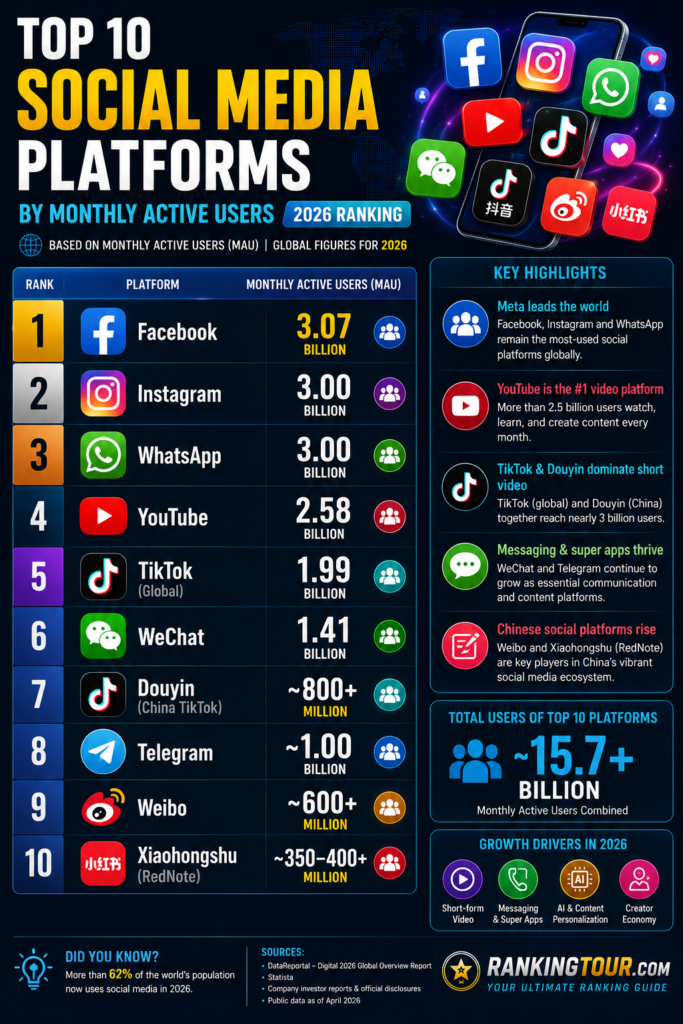
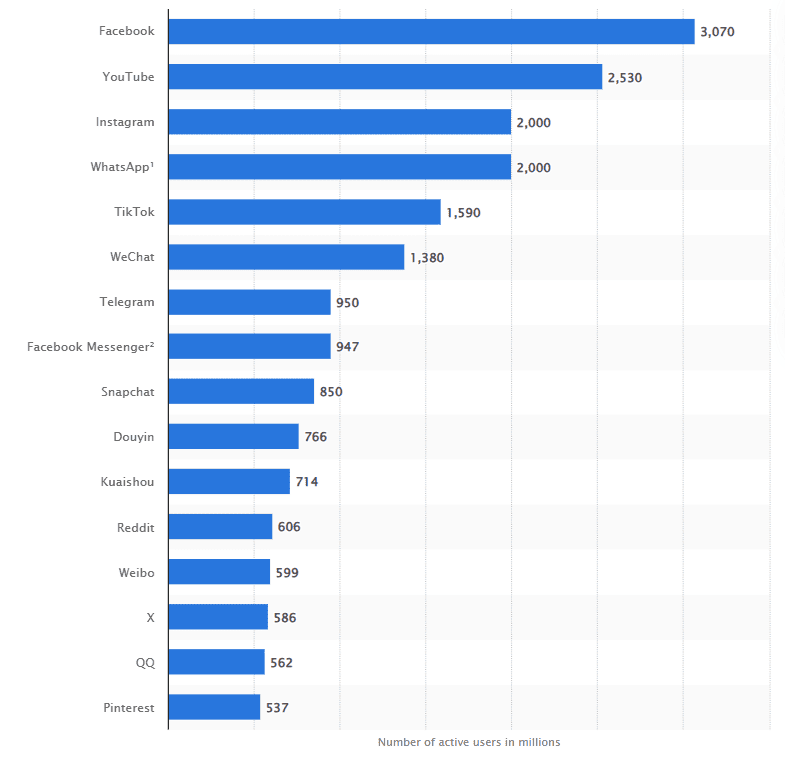
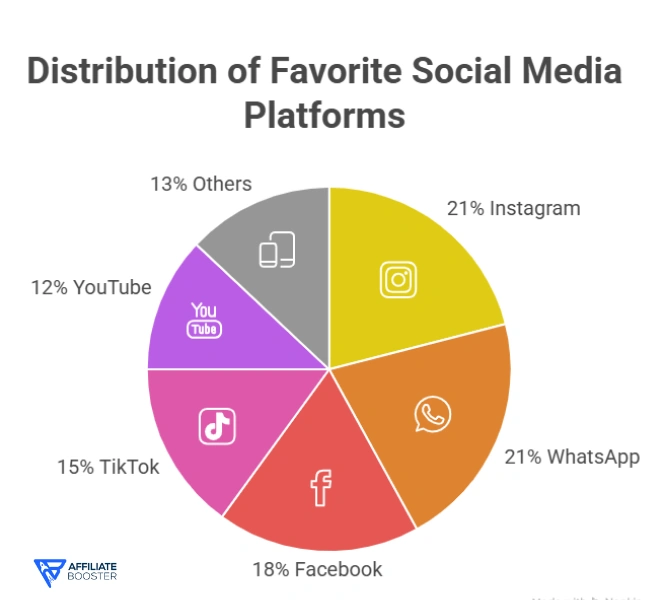
From scrolling through endless feeds to livestreaming a birthday cake, social media has become the backdrop of daily conversation. But which platforms truly dominate the global stage? Below we break down the top 10 social media platforms, exploring why they matter, how they differ, and what keeps billions of users coming back for more.
The Top 10 Social Media Platforms Explained
Understanding the leaders of the social media ecosystem helps marketers, creators, and casual users alike spot trends, allocate ad spend, or simply choose where to share the next viral meme. While user counts shift and new apps pop up, these ten services consistently command the lion’s share of attention worldwide.
1. Facebook – The All‑Purpose Network
With over 2.9 billion monthly active users, Facebook remains the go‑to hub for personal updates, community groups, and marketplace transactions. Its algorithm blends friends’ posts with targeted ads, making it a favorite for businesses seeking granular audience segmentation. Recent updates emphasize video Shorts and AI‑driven content recommendations, keeping the platform relevant amid younger‑skewing rivals.
2. YouTube – Video’s Global Stage
Owned by Google, YouTube hosts more than 2.5 billion logged‑in users who watch roughly a billion hours of video daily. From DIY tutorials to full‑length documentaries, its recommendation engine fuels endless binge‑watching. Creators monetize through ads, memberships, and Super Chats, while brands leverage pre‑roll spots to reach niche audiences across every continent.
3. WhatsApp – Messaging That Crosses Borders
WhatsApp’s simple, encrypted chat interface has attracted over 2 billion users, especially in Europe, Latin America, and parts of Asia. Its voice and video call features rival traditional telecoms, and the growing Business API lets small enterprises handle customer support directly within the app. The platform’s minimal advertising keeps the focus squarely on personal communication.
4. Instagram – Visual Storytelling for the Young
Instagram’s 1.8 billion users share photos, Stories, and Reels in a highly visual feed. The platform’s shopping tags and swipe‑up links turn casual scrolling into instant purchases, a boon for fashion and lifestyle brands. Recent AI filters and augmented‑reality lenses keep the experience fresh, while the algorithm prioritizes content that sparks immediate engagement.
5. TikTok – Short‑Form Video’s Powerhouse
Originating in China, TikTok now boasts over 1 billion monthly active users worldwide. Its lightning‑fast “For You” page surfaces bite‑sized videos that match a user’s interests within seconds, creating a highly addictive loop. Brands experiment with native challenges and influencer collaborations to tap into Gen Z’s preference for authenticity over polished ads.
6. WeChat – China’s Super‑App
More than a messaging service, WeChat integrates payments, news, gaming, and even government services for its 1.2 billion users. The app’s “mini‑programs” let businesses build lightweight apps without leaving the platform, making it a unique blend of social network and digital marketplace that dominates daily life in China.
7. Snapchat – Ephemeral Fun for Millennials
Snapchat’s 600 million daily active users enjoy disappearing messages, AR lenses, and Discover stories from publishers. Its focus on fleeting content encourages frequent check‑ins, while ad formats like Sponsored Lenses and Snap Ads let marketers create immersive experiences that feel native to the platform.
8. Twitter (X) – Real‑Time Public Conversation
Twitter’s 450 million users share short‑form updates, news, and live event commentary. The platform’s open nature makes it a hotbed for viral moments, political discourse, and brand crises. Recent rebranding to “X” signals an ambition to evolve into a broader “everything app,” though its core real‑time feed remains its defining feature.
9. LinkedIn – Professional Networking Hub
LinkedIn serves roughly 900 million professionals, offering a space for career development, B2B marketing, and industry news. Its algorithm surfaces posts from connections, thought leaders, and company pages, while premium features like Sales Navigator help recruiters and salespeople find precise leads.
10. Pinterest – Visual Discovery Engine
With 450 million active users, Pinterest acts as a searchable mood board for ideas ranging from home décor to recipes. Its pinning system doubles as a shopping conduit; users often transition from inspiration to purchase within the same session, making it a valuable platform for brands targeting intent‑driven shoppers.
What Sets These Platforms Apart?
- Core content type: Text (Twitter), video (YouTube, TikTok), images (Instagram, Pinterest).
- Monetization model: Ads, subscriptions, e‑commerce integrations, or a mix.
- Audience demographics: Age, region, and professional status vary widely.
- Unique features: Ephemeral messages (Snapchat), mini‑programs (WeChat), professional tools (LinkedIn).
Frequently Asked Questions
Which platform should a small business prioritize for advertising?
It depends on the product and target audience. Visual goods like fashion or home décor often perform well on Instagram and Pinterest, while quick‑consumption products benefit from TikTok’s viral nature. For B2B services, LinkedIn’s professional focus usually yields higher-quality leads.
How do privacy regulations affect these platforms?
Regulations such as the EU’s GDPR and California’s CCPA require platforms to obtain explicit consent for data collection and to provide clear opt‑out mechanisms. Most major services now include detailed privacy settings, but the enforcement landscape continues to evolve.
Is it worth investing time in emerging platforms?
Early adopters can gain a foothold before the audience saturates, but they also face uncertainty regarding user growth and monetization tools. Testing small campaigns on newer apps can reveal untapped niches without committing large budgets.
Do all platforms support e‑commerce directly?
Not all, but many have introduced shopping features. Instagram, Facebook, TikTok, and Pinterest now allow in‑app purchases or product tagging, while platforms like WhatsApp and WeChat facilitate transactions through integrated payment systems.