The Hidden Drawbacks of Ceramic Coating for Your Car
When you hear about ceramic coating, the first thing that comes to mind is a glossy, almost invincible finish that repels water, dirt, and even minor scratches. The promise of a “set‑and‑forget” shield is tempting, especially for car enthusiasts who spend hours polishing their rides. Yet, beneath the sleek surface lies a set of trade‑offs that many owners only discover after the coating has cured. In this article we’ll unpack the practical downsides of ceramic coating, from cost and maintenance quirks to potential risks for certain paint jobs.
Ceramic Coating: What It Really Does
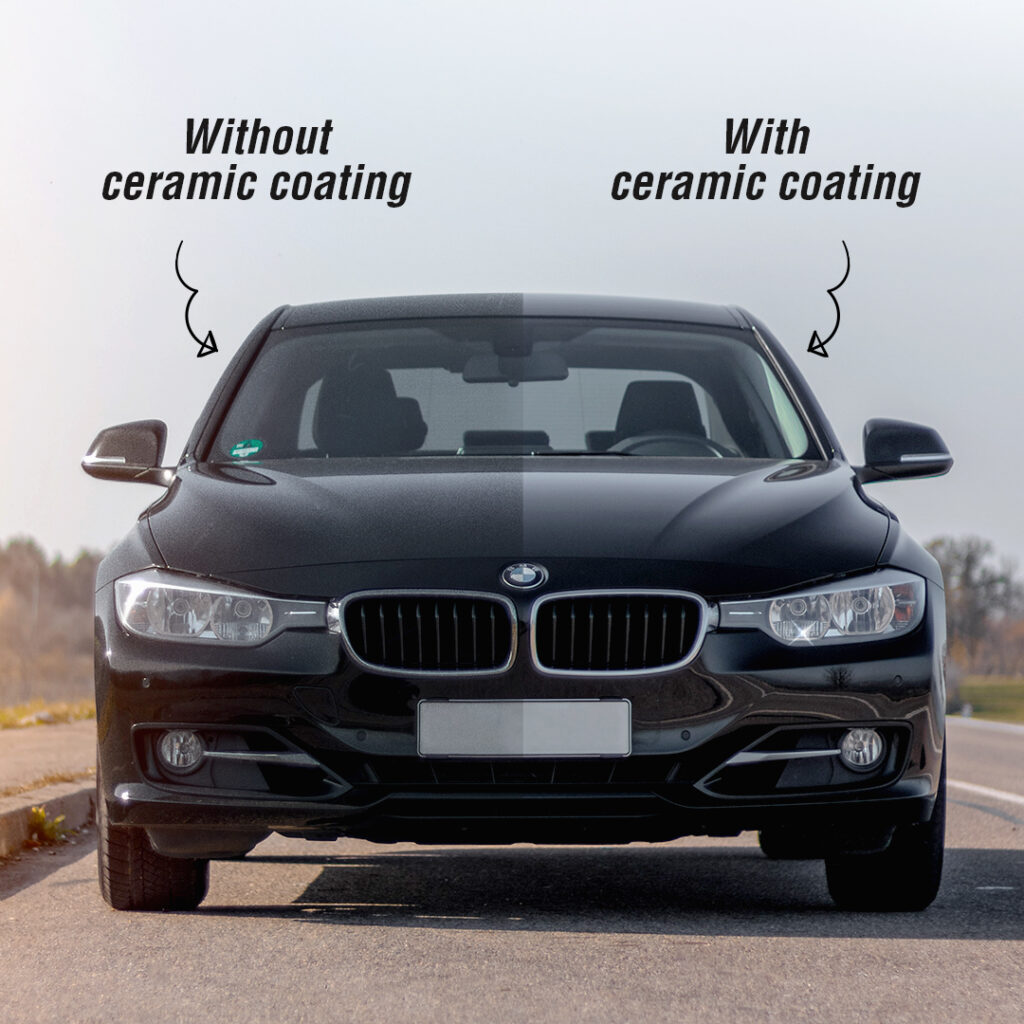
At its core, a ceramic coating is a liquid polymer that chemically bonds to the vehicle’s clear coat. Once cured, it forms a hard, glass‑like layer that increases the surface’s resistance to UV rays, chemicals, and some abrasions. The result is a high‑shine finish that makes water bead and roll off more easily. This technology works well under ideal conditions, but it’s not a universal miracle cure.
High Up‑Front Investment
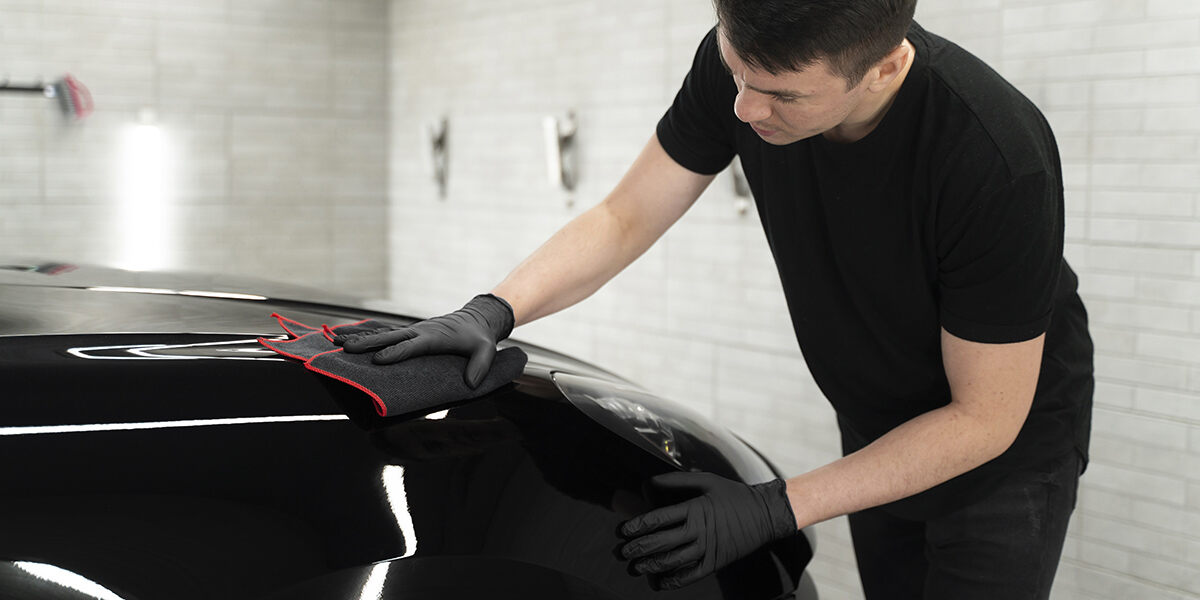
One of the most obvious downsides is the price tag. Professional application can range from a few hundred dollars for a small vehicle to over a thousand for larger models or full‑body coverage. Even DIY kits, which promise savings, still require quality products, proper preparation, and a controlled environment—expenses that add up quickly.
- Professional labor costs often exceed the price of the coating material itself.
- DIY enthusiasts must invest in climate‑controlled spaces, proper lighting, and protective gear.
- Incorrect application can lead to uneven gloss, streaks, or the need for costly re‑work.
Maintenance Expectations vs. Reality
Many buyers assume that a ceramic coating eliminates the need for regular washing. In practice, the coating merely makes cleaning easier; it doesn’t make the car self‑cleaning. Dirt and grime can still adhere to the surface, especially in polluted urban environments. Moreover, the coating’s hydrophobic properties can create a “rain‑repellent” effect that encourages water to slide off, but it also means that water can carry contaminants into tiny crevices if you’re not diligent.
To keep the shine intact, owners should:
- Wash the car with pH‑neutral shampoos at least once a month.
- Avoid abrasive sponges or brushes that could dull the coating.
- Apply a maintenance spray every few weeks to replenish the layer’s protective chemicals.
Potential Paint Compatibility Issues
Not every paint job is a perfect match for a ceramic coating. Older vehicles with faded, oxidized, or previously repaired paint may experience uneven bonding. The coating can highlight imperfections that were previously hidden under a matte or semi‑gloss finish. In extreme cases, the polymer may fail to adhere, leading to peeling or bubbling.
If your car’s paint has:
- Significant oxidation or clear‑coat wear, a thorough polishing step is mandatory before coating.
- Previous applications of waxes or sealants, these must be completely stripped to avoid trapping residues.
- Any paint repairs, the repaired areas need to be sanded and matched precisely.
Skipping these prep steps can turn an otherwise protective layer into a visual liability.
Limited Scratch Resistance
Although ceramic coatings are harder than conventional waxes, they are not bullet‑proof. Fine scratches from harsh brushes, sand, or accidental contact with metal can still appear. The coating’s hardness is often compared to a “hard‑shell” rather than a “diamond,” meaning it will mitigate shallow swirl marks but won’t stop deeper gouges.
Owners looking for absolute scratch immunity might find the coating’s claims overstated, especially when paired with aggressive cleaning habits.
Longevity Myths and Re‑application Costs
Many marketing materials tout a “lifetime” coating, yet most reputable products guarantee performance for two to five years under typical conditions. After that period, the protective layer gradually degrades, losing its hydrophobic properties and UV shielding. Re‑coating is then necessary, essentially resetting the investment.
Consider these factors when estimating long‑term value:
- Geographic location: Sun‑intense regions accelerate UV breakdown.
- Driving habits: Frequent highway speeds and exposure to road salts can erode the coating faster.
- Maintenance diligence: Skipping regular upkeep shortens the effective lifespan.
Environmental Concerns
While ceramic coatings reduce the frequency of waxing and polishing, the chemicals involved—often based on silicon dioxide (SiO₂) or titanium dioxide (TiO₂)—can be hazardous if not handled properly. Improper disposal of excess material or cleaning solvents may impact local waterways. For eco‑conscious owners, the environmental footprint of the coating process is worth weighing against the benefits.
Alternatives Worth Considering
If the downsides feel daunting, there are other protective strategies that balance cost, effort, and results:
- High‑quality synthetic waxes offer decent shine and water repellency with lower upfront costs.
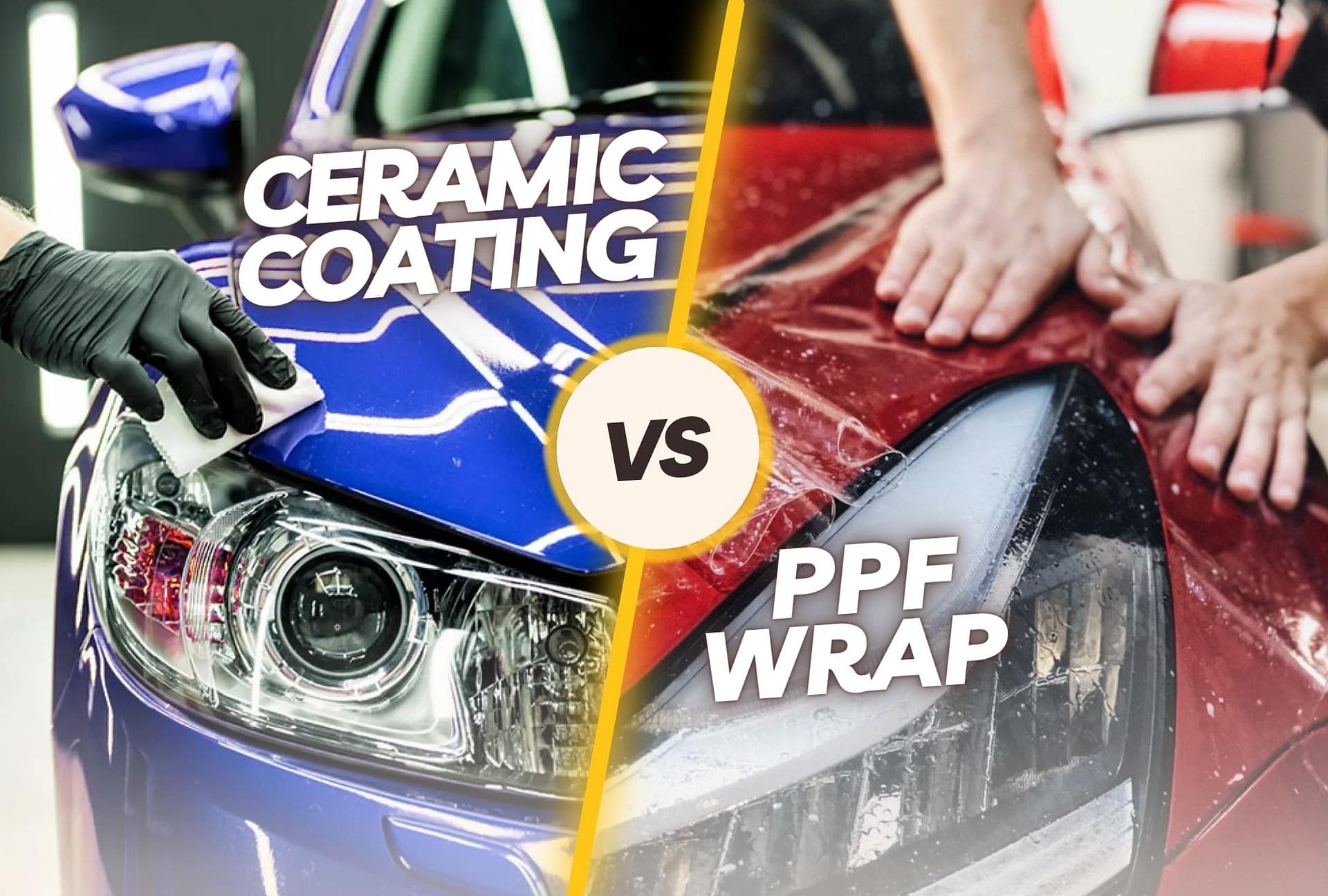
- Paint sealants sit between waxes and ceramic coatings in terms of durability and price.
- Clear bra film provides a physical barrier against stone chips and scratches, though it doesn’t enhance gloss.
FAQ
Does ceramic coating prevent all scratches?
No. It reduces the visibility of minor swirl marks but cannot stop deeper abrasions caused by sharp objects or harsh cleaning tools.
How often should I wash a ceramic‑coated car?
Even with the coating, a monthly wash with a pH‑neutral shampoo is recommended to prevent buildup of contaminants.
Can I apply ceramic coating myself?
DIY kits exist, but successful application demands a dust‑free environment, precise surface preparation, and careful curing—mistakes can lead to uneven gloss or premature failure.
Will a ceramic coating protect my car’s paint forever?
Most products maintain peak performance for two to five years; after that, re‑application is needed to restore full protection.