The Simple Guide to Saying Thank You in Spanish
If you’ve ever wondered how to say thank you in Spanish, you’re in the right place. Whether you’re planning a trip, meeting Spanish‑speaking friends, or simply brushing up on a language you already love, mastering gratitude is a quick win that shows respect and builds rapport. In this guide, we’ll walk through the most common expressions, the subtle differences that matter, and when to use each one in everyday life.
How to say thank you in Spanish: Basic Expressions
Spanish, like any language, has a spectrum of gratitude, from the casual to the formal. Below are the foundational ways to convey thanks, along with their typical contexts.
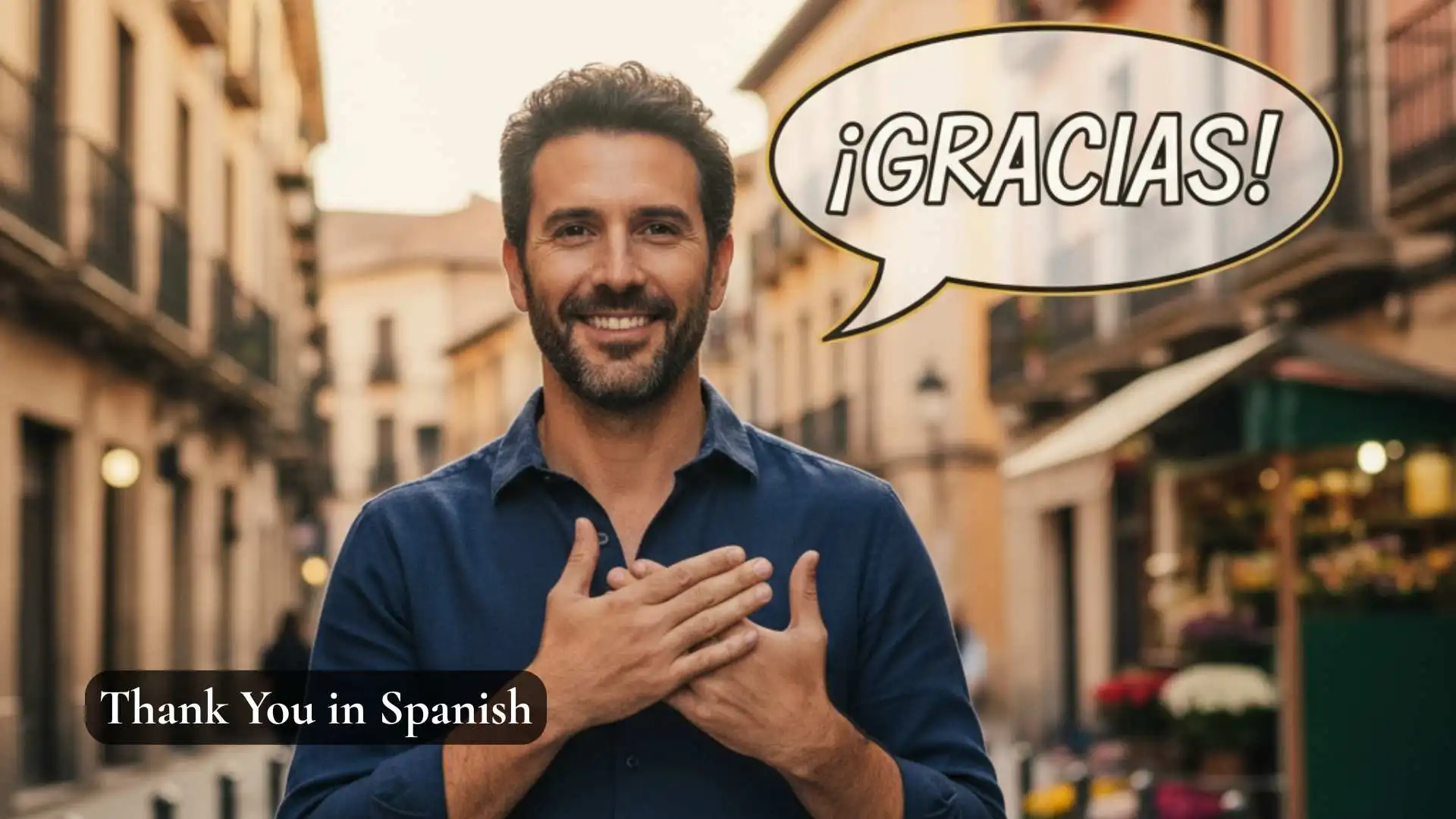
- Gracias – The go‑to phrase. It works in almost any situation, from a coffee shop to a business meeting. Think of it as the universal “thank you.”
- Muchas gracias – A step up in warmth. Literally “many thanks,” it’s polite yet still informal. Use it when you want to emphasize appreciation.
- Mil gracias – “A thousand thanks.” This exaggeration is often used humorously or sincerely to express deep gratitude.
- Gracias a ti / a ti también – “Thank you, too.” A friendly reply that mirrors the gratitude back to the speaker.
- Te agradezco – “I appreciate it.” More personal, suitable for close friends or family.
- Le agradezco – The formal version of “I appreciate it.” Use with people you don’t know well, or in a professional setting.
Notice how the first two are interchangeable in casual settings, while the formal forms (Te agradezco / Le agradezco) reserve themselves for contexts where respect or distance is required.
When to Use Informal vs. Formal Language
Spanish speakers distinguish between tú (informal “you”) and usted (formal “you”). This distinction carries over into thank‑you phrases:
- With tú you’d say Te agradezco or simply Gracias.
- With usted the polite equivalent is Le agradezco or, more commonly, Muchas gracias, señor/señora.
In most casual everyday interactions—like picking up a library book or receiving a favor from a neighbor—informal language is acceptable. If you’re addressing a supervisor, a doctor, or a stranger in a formal environment, switch to the formal version.
Adding a Personal Touch
Sometimes you want to go beyond the generic. Adding adjectives or context can make your thanks feel more heartfelt.
- Gracias de nuevo – “Thank you again.” Great after someone helps more than once.
- Gracias por tu ayuda – “Thank you for your help.” Useful when a specific action is being appreciated.
- Gracias por todo – “Thank you for everything.” Works well in family settings or when a person has made a lasting impact.
In Spanish culture, using a full sentence that acknowledges the specific act—rather than a quick “gracias”—often shows genuine gratitude and fosters deeper connections.
Common Mistakes to Avoid
While Spanish is relatively forgiving, a few pitfalls can trip up learners:
- Using Gracias a Dios (thank God) in casual thank‑you contexts. It’s a religious expression and may seem out of place if you’re simply thanking a friend.
- Overusing Muchas gracias in very formal written communication, where a simple Le agradezco feels more appropriate.
- Neglecting to adapt the verb form when the subject changes. For example, Nos agradecemos (we appreciate each other) is rarely used; stick with Nos agradecemos mutuamente if you must.
Keeping these nuances in mind will help you sound natural and respectful.
Regional Variations You Might Encounter
Spanish isn’t a monolith—different countries and regions add their own flavor to everyday speech.
- In Argentina, Che, gracias is a friendly, informal thanks often paired with the interjection “che.”
- In Spain, Muchas gracias, señor/señora is common, especially in polite interactions.
- Mexico frequently uses ¡Qué bonito! (what a beautiful thing) after a kind gesture, followed by gracias.
These variations are usually subtle, and most speakers will understand Gracias or Muchas gracias regardless of location.
Practice Makes Perfect
Here are a few quick exercises to help you internalize the phrases:
- Write a thank‑you note in Spanish for a recent favor. Try to use at least two different expressions from this guide.
- During your next conversation with a Spanish‑speaking friend, consciously choose the appropriate form based on the level of familiarity.
- Record yourself saying each expression aloud, then listen back to catch pronunciation nuances.
With regular practice, saying thank you in Spanish will become second nature, and you’ll notice your interactions becoming warmer and more authentic.
Frequently Asked Questions
- What if I’m not sure whether to use “usted” or “tú”? Use usted for elders, professionals, or strangers; otherwise, go with tú.
- Is “Gracias” enough in formal emails? In formal emails, it’s safer to pair Gracias with a title: “Gracias, Sr. García.”
- Can I say “Thank you very much” in Spanish? Yes: Muchas gracias or Te agradezco mucho convey that emphasis.
- When is it appropriate to say “Gracias a ti”? Use it as a friendly response when someone thanks you first.
Remember, gratitude is a universal language—once you get the basic phrases down, you’re ready