The VR Sports Revolution: Immersive Fitness Meets Gaming
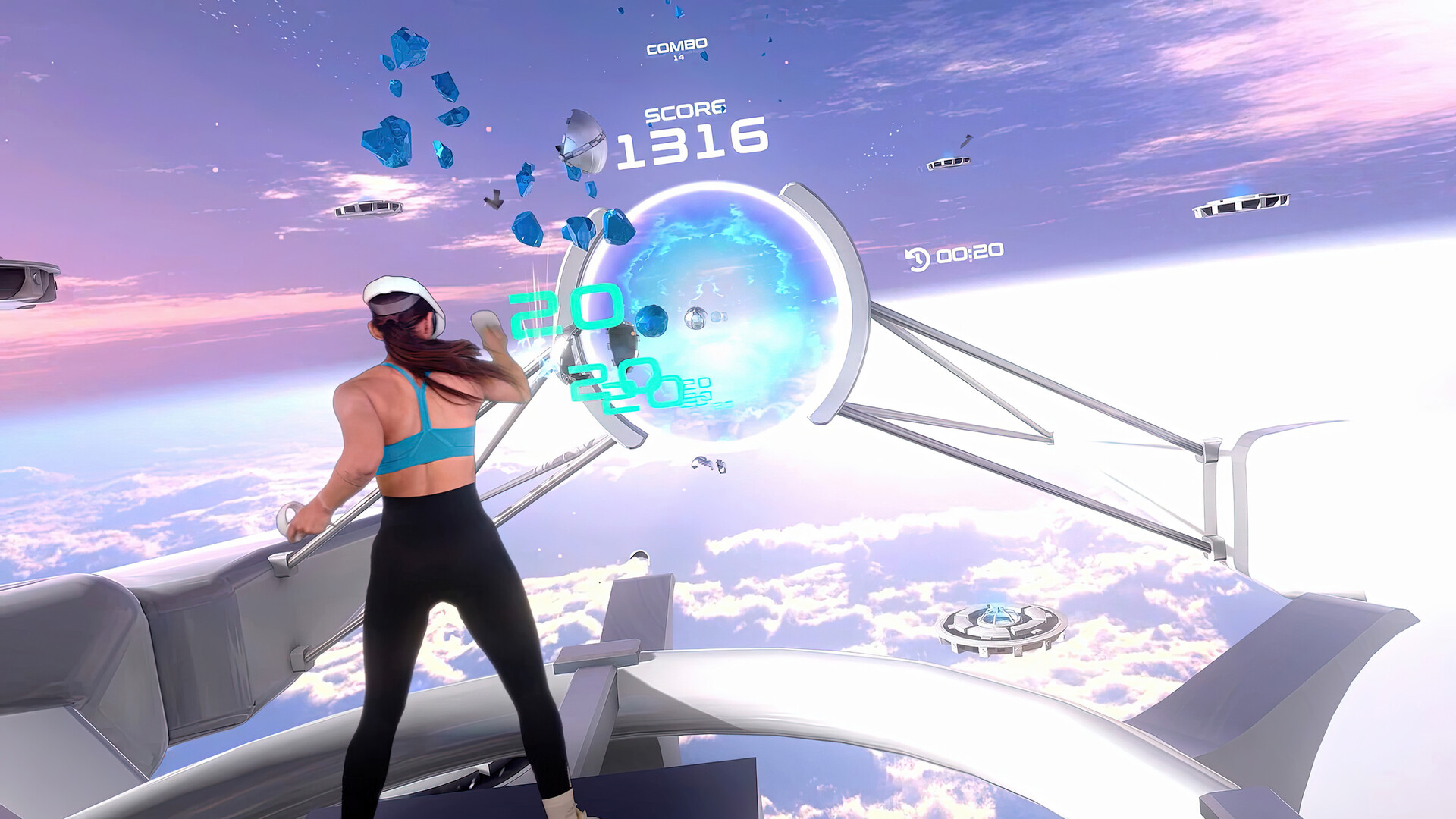
Imagine sprinting down a virtual track, swinging a digital racket, and feeling your heart rate climb—all without leaving your living room. That blend of athletic challenge and interactive play is what many call the VR sports immersive fitness boom, a movement that’s turning traditional workouts into captivating experiences. As headsets become sleeker and software more sophisticated, the line between exercise and entertainment blurs, promising a fresh way to stay active.
Why VR Sports Are Gaining Traction
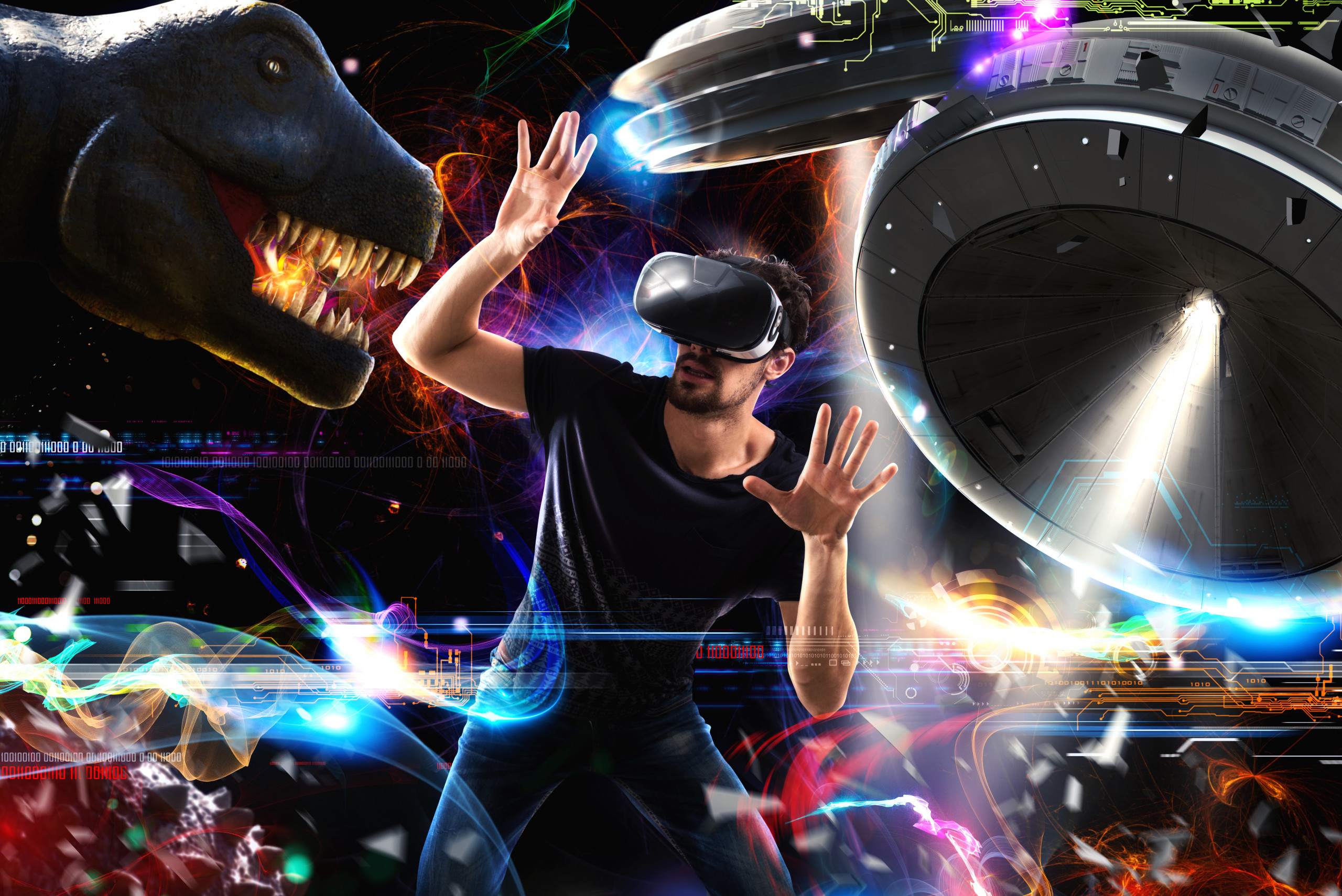
First, the novelty factor can’t be ignored. People who once dreaded the treadmill now find themselves eager to lace up virtual sneakers, thanks to realistic environments that make movement feel purposeful. Second, the technology itself has matured; latency is lower, motion tracking more precise, and visual fidelity high enough to convince the brain that you’re truly in another world. Finally, social integration adds a communal dimension—friends can compete or cooperate in real time, turning solitary workouts into shared adventures.
Key Benefits for Fitness Enthusiasts
Beyond the fun factor, VR workouts deliver measurable health perks:
- Cardiovascular boost: Games that demand continuous motion—like virtual boxing or rowing—can elevate heart rate into the moderate‑intensity zone, comparable to a traditional cardio session.
- Improved coordination: Many titles require precise hand‑eye timing, sharpening motor skills that translate to real‑world sports.
- Low‑impact alternatives: For joint‑sensitive users, activities such as virtual snowboarding let them experience high‑intensity movement without the pounding of actual terrain.
- Motivation through gamification: Levels, leaderboards, and achievement badges turn incremental progress into tangible rewards, encouraging consistency.
Gaming Elements That Keep Players Hooked
What separates VR fitness from a plain exercise video is the game design. Developers embed narrative arcs—think of a futuristic tournament where each victory unlocks new arenas—so users feel a sense of progression. Adaptive difficulty also matters; the system reads your performance and nudges the challenge up or down, preventing boredom or burnout. Lastly, immersive soundscapes and haptic feedback make each punch, swing, or jump feel weighty, reinforcing the brain‑body connection.
Choosing the Right Headset and Apps
Not every headset delivers the same level of motion fidelity. Standalone devices like the Meta Quest 2 offer ease of use and a respectable library, while PC‑tethered rigs such as Valve Index provide wider field‑of‑view and higher refresh rates—crucial for fast‑paced sports simulations. When selecting apps, look for titles that track metrics (calories, distance, reps) and support external accessories like heart‑rate straps for deeper insights. Popular choices include FitXR for boxing and HIIT, Echo Arena for zero‑gravity team play, and Racket Fury for racket sports enthusiasts.
Integrating VR Workouts Into a Balanced Routine
While VR can replace a portion of a conventional regimen, it works best when paired with other modalities. For example, a week might feature two VR cardio sessions, one strength‑training day using free weights, and a flexibility routine like yoga. This hybrid approach safeguards against over‑reliance on a single movement pattern and ensures comprehensive fitness development. Listening to your body remains paramount; if motion sickness emerges, shorter sessions and proper ventilation often help.
Future Trends to Watch
Looking ahead, several developments hint at even richer experiences. Haptic suits that simulate impact could make virtual boxing feel more authentic, while AI‑driven coaches might offer real‑time form corrections. Cloud streaming of high‑resolution titles promises to reduce hardware costs, making the technology accessible to a broader audience. As esports organizations explore VR categories, we may soon see competitive leagues where physical prowess and gaming skill intersect.
Frequently Asked Questions
Is VR fitness suitable for beginners?
Absolutely. Many apps start with low‑intensity tutorials and gradually increase difficulty, allowing newcomers to build confidence and stamina at a comfortable pace.
Do I need a lot of space for VR sports?
A clear area of about 2 × 2 meters is generally sufficient for most standing games. Some seated or stationary experiences require even less, making them viable for apartments.
Can VR workouts replace traditional cardio?
They can serve as a substitute for moderate‑intensity cardio, provided you maintain a consistent heart‑rate zone. However, incorporating varied activities—like outdoor running or cycling—still offers unique physiological benefits.