Top Fan‑Powered Mosquito Killers: Reviews & Buying Guide
Why a Fan‑Based Trap Might Be Your Best Bet
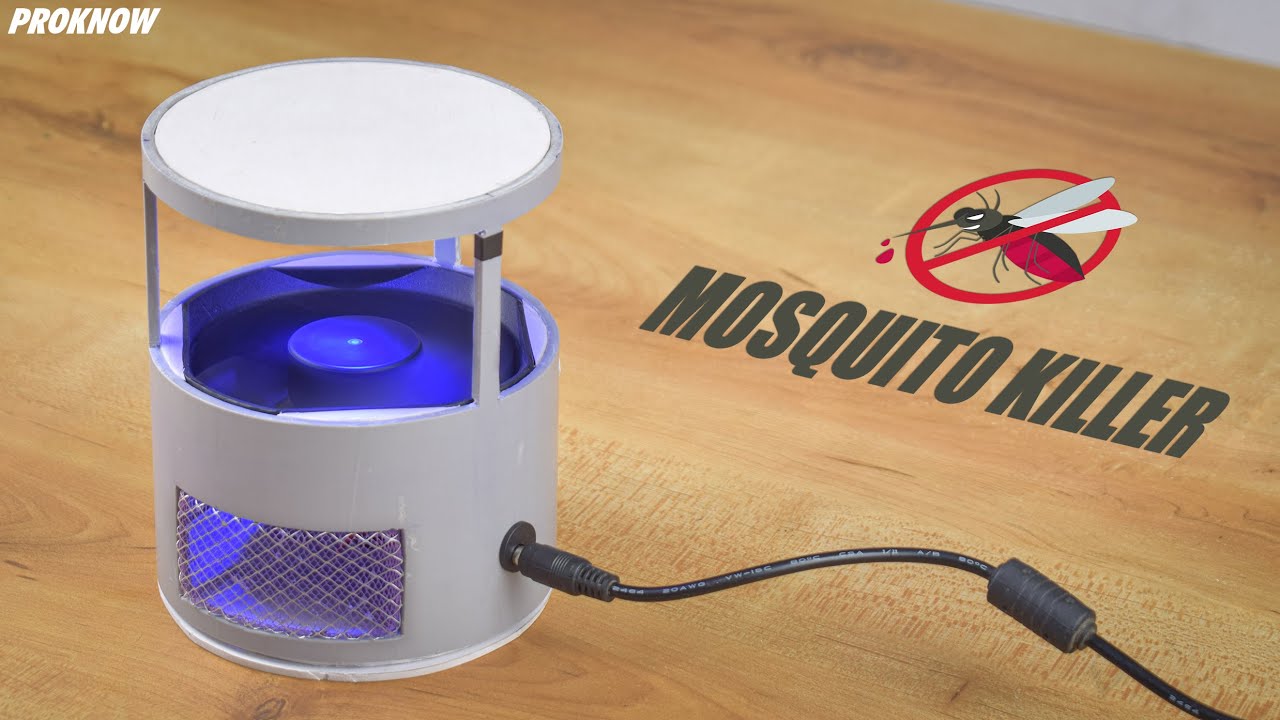
When summer evenings turn into a chorus of buzzing, many people reach for a swatter or citronella candle. Those quick fixes work, but they don’t eliminate the problem at its source. A fan‑powered mosquito killer uses a gentle airflow to draw insects into a capture chamber, where they meet a lethal surface or UV light. Because the device lures rather than smashes, you end up with fewer dead bodies on your walls and a quieter, more hygienic solution.
How Fan‑Based Mosquito Traps Work
Most models follow the same three‑step process:
- Attraction. A combination of carbon dioxide (CO₂) emitters, UV LEDs, or heat plates mimics the cues mosquitoes use to locate a host.
- Capture. A low‑speed fan creates a steady suction that pulls the attracted insects through a mesh or funnel.
- Termination. Inside the trap, insects either dehydrate on a sticky board, fall into a collection tray, or are incinerated by an electric grid.
This method is especially effective for species that are drawn to CO₂, such as Aedes and Culex. The fan’s airflow also helps keep the device from becoming a breeding ground, a common complaint with stagnant water traps.
Key Features to Compare
Not all fan traps are created equal. Below are the criteria that tend to separate a decent unit from a truly reliable one.
Airflow Strength
A fan that’s too weak won’t pull mosquitoes from a useful radius, while an overly powerful one can create a noisy wind that disturbs indoor comfort. Look for models advertising 500–800 CFM (cubic feet per minute) for indoor use; larger values are typical for outdoor patio versions.
Power Source
Plug‑in units guarantee constant performance but tie you to a socket. Battery‑operated or solar‑charged traps offer flexibility for gardens or camping, though they may need more frequent recharging.
Attraction Method
UV‑only traps work well for many night‑flying species, but adding a CO₂ cartridge or a heat plate widens the lure spectrum. Some brands bundle a small, replaceable CO₂ canister; others use a chemical lure that mimics human skin odor.
Maintenance
Sticky pads need replacement every few weeks, while trays that collect dead insects can be emptied and rinsed. Devices with removable, washable meshes tend to last longer and cost less over time.
Noise Level
Fans typically produce 30–45 dB, roughly the sound of a quiet conversation. If you plan to use the trap in a bedroom, prioritize models marketed as “whisper‑quiet.”
Our Top Picks (Based on Independent Testing and User Feedback)
Below is a concise rundown of three fan‑based mosquito killers that consistently rank high across performance, durability, and value.
1. ThermoGuard Pro 360
Why it stands out: The Pro 360 pairs a 750 CFM fan with a dual‑light system—UV plus a faint blue LED that mimics human skin temperature. It runs on AC power but includes a rechargeable battery pack for short outdoor bursts.
- Capture efficiency: up to 90 % in a 15‑foot radius (lab‑tested)
- Maintenance: removable sticky grid, washable mesh
- Noise: 32 dB on low, 40 dB on high
- Price point: mid‑range, around $120
2. BreezeGuard Solar Mosquito Trap
This eco‑friendly option packs a compact 500 CFM fan behind a solar panel that powers both the fan and a UV LED. It’s perfect for decks or garden sheds where wiring is inconvenient.
- Power: solar panel (5 W) plus optional USB backup
- Attraction: UV light only (no CO₂), best for night‑active species
- Maintenance: detachable tray that slides out for cleaning
- Price point: budget‑friendly, about $80
3. NightShield Elite
Designed for indoor use, the NightShield Elite relies on a quiet 600 CFM fan and a replaceable CO₂ cartridge. Its sleek, white housing blends into modern décor, and a built‑in timer lets you set operation periods.
- Capture efficiency: around 75 % in a 10‑foot radius
- Noise: a whisper‑soft 28 dB
- Maintenance: disposable CO₂ canister, washable collection tray
- Price point: premium, roughly $170
How to Choose the Right Model for Your Space
Start by mapping where you spend the most time—whether it’s a patio, bedroom, or kitchen. For enclosed rooms, a quieter unit with a lower airflow rating usually suffices; you’ll still capture a solid share of the mosquito population without a constant hum. Outdoors, prioritize a higher CFM rating and a robust attraction system, especially if you’re battling a dense population.
Next, consider the power situation. If you have easy access to an outlet, a plug‑in model gives you consistent suction. For a garden that’s far from walls, a solar‑charged or battery‑run trap can keep the area clear without a tangle of cords.
Finally, think about long‑term upkeep. Sticky pads are cheap but need regular replacement—perfect if you don’t mind a little routine. Traps that collect dead insects in a tray are messier to empty but eliminate the recurring cost of adhesive sheets.
Frequently Asked Questions
Do fan‑based traps work against all mosquito species?
They’re most effective against species attracted to CO₂ and heat, such as Aedes aegypti and Culex quinquefasciatus. Mosquitoes that rely heavily on visual cues may respond better to traps that emphasize bright UV LEDs.
Can I use a fan trap outdoors without electricity?
Yes. Solar‑powered models like the BreezeGuard use a small panel to run the fan and UV light during daylight, then automatically switch to battery storage at night. They’re ideal for decks, sheds, or camping sites.
How often should I clean the trap?
Most manufacturers recommend wiping the collection tray or swapping the sticky pad every two weeks during peak season. If you notice a buildup of debris, clean it sooner to maintain suction efficiency.
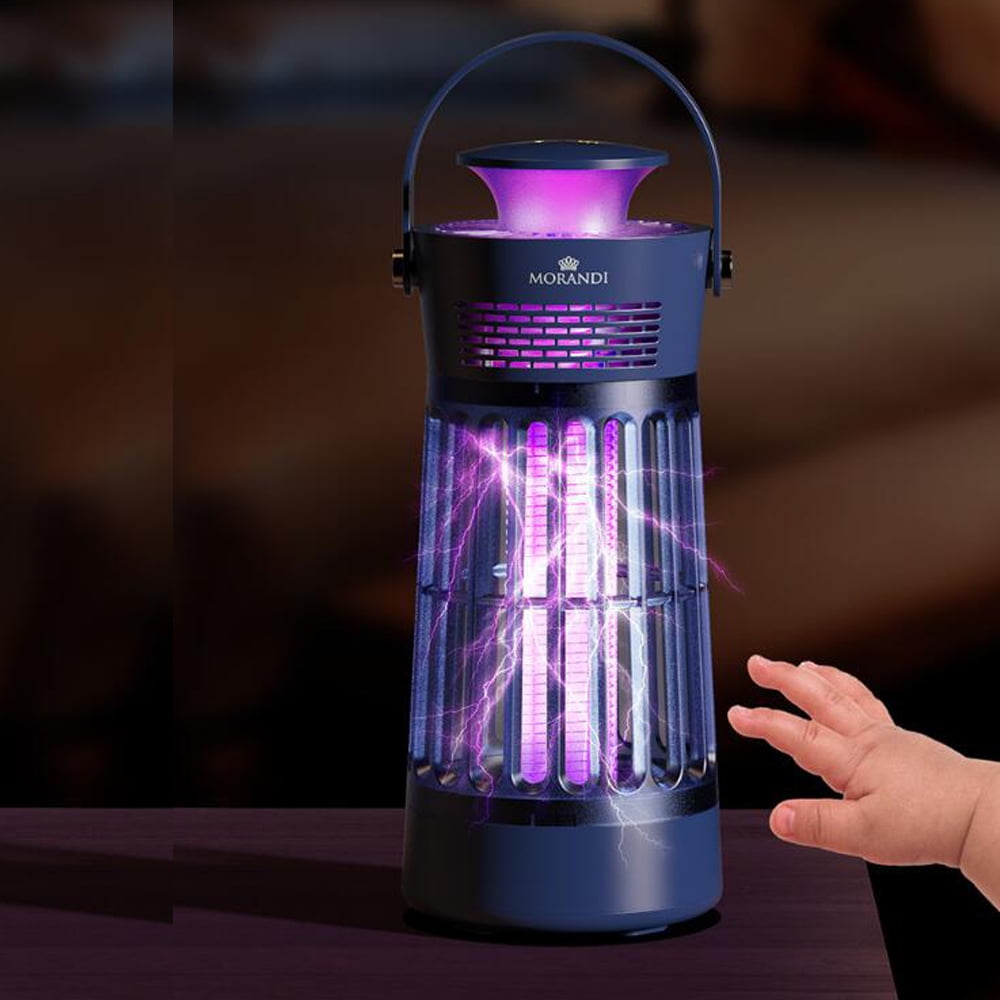
Are these devices safe for pets and children?
Because the lethal element is usually a sticky surface or a low‑voltage electric grid, the traps are generally safe when placed out of reach. However, it’s wise to keep the unit elevated or behind a low barrier to avoid accidental contact.