Top Portfolio Management Apps for Smarter Investing
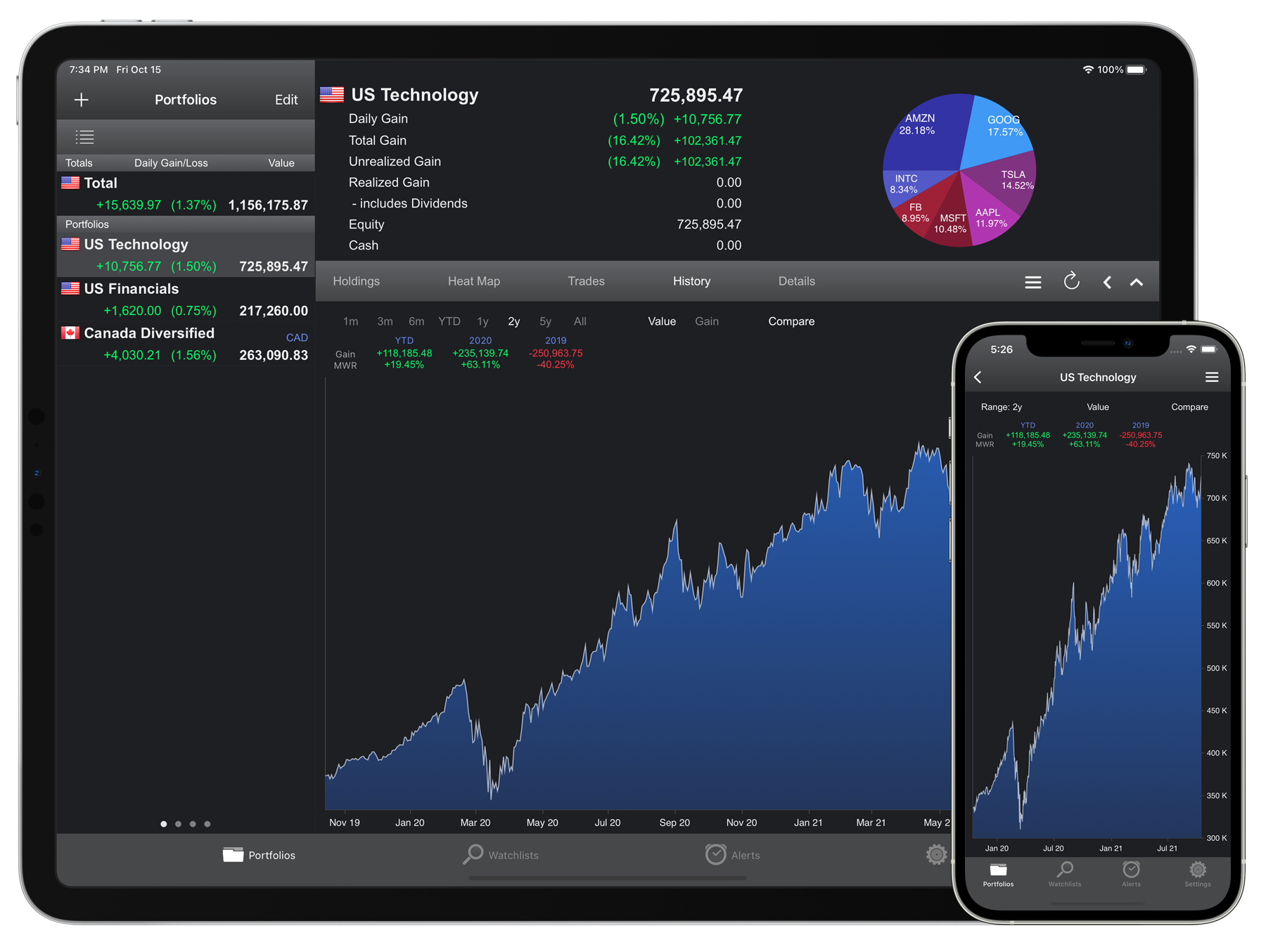
When it comes to keeping an eye on stocks, bonds, and crypto, the right tool can make the difference between guesswork and confidence. That’s why many investors turn to dedicated investment portfolio management apps to track performance, rebalance holdings, and stay informed about market shifts—all from a phone or laptop.
Key Features to Compare Before You Choose
Not every app is built the same, and a few criteria tend to separate the useful from the merely flashy. Here’s what to keep in mind while you evaluate options:
- Real‑time data feeds: Prices that update instantly help you spot opportunities (or risks) the moment they arise.
- Automatic rebalancing: Some platforms let you set target asset allocations and then execute trades automatically to maintain them.
- Tax‑efficiency tools: Features like tax‑loss harvesting or capital‑gain reporting can save you a tidy sum each year.
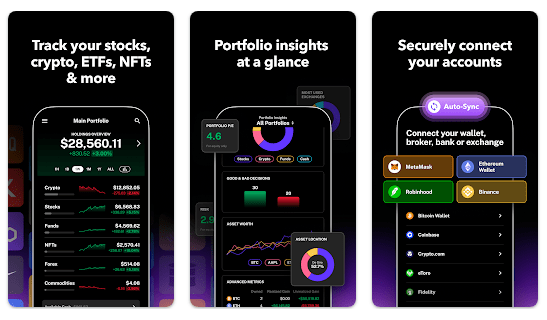
- Multi‑asset support: Whether you dabble in ETFs, mutual funds, or digital currencies, the app should handle them all without a patchwork of separate accounts.
- Security and privacy: Look for two‑factor authentication, encryption, and a clear data‑handling policy.
- Cost structure: Free tiers are tempting, but be wary of hidden fees that can erode returns over time.
Our Top Picks
1. Personal Capital – All‑In‑One Wealth Dashboard
Personal Capital blends robust analytics with a sleek interface, making it a favorite among both novices and seasoned investors. After linking your brokerage and retirement accounts, the app instantly generates a visual breakdown of your holdings, risk exposure, and projected retirement savings.
What sets it apart is the Retirement Planner, which simulates how different contribution rates or market scenarios could affect your future nest egg. The free version offers comprehensive tracking, while the paid advisory service adds personalized financial planning if you ever feel you need a human touch.
2. M1 Finance – Automated Investing with Customizable Pies
M1 Finance takes a hybrid approach, letting you build “pies” of stocks and ETFs that reflect your personal strategy. Once you set the percentage for each slice, the platform automatically purchases the right mix whenever you add cash, effectively handling the rebalancing for you.
The app shines for its zero‑commission trades and the ability to fractional‑share invest—perfect if you’re looking to diversify without a massive upfront capital outlay. The only caveat is that real‑time market data is limited to end‑of‑day prices unless you upgrade to the premium M1 Plus plan.
3. Stash – Beginner‑Friendly Guidance
If you’re just getting started, Stash offers a gentle learning curve paired with a modest selection of curated portfolios. The app nudges you toward investment themes (like “Clean Energy” or “Tech Growth”) and explains each pick in plain language, which can demystify the jargon that often scares new investors away.
Beyond the educational aspect, Stash provides automatic dividend reinvestment and a simple “Recurring Investment” feature to keep your portfolio growing even when you’re busy. A monthly subscription covers the account, and the fee includes a basic IRA option, making it a solid starter kit.
4. CoinTracker – Crypto‑Centric Portfolio Management
For those with a significant crypto component, CoinTracker consolidates exchanges, wallets, and DeFi platforms into one unified view. It automatically pulls transaction data, calculates cost basis, and generates tax reports compliant with major jurisdictions.
While it doesn’t handle traditional stocks, its strength lies in handling the fast‑moving world of digital assets where price volatility is the norm. The free tier covers up to 25 transactions—a handy benchmark for casual traders—while premium plans unlock unlimited syncing and advanced analytics.
Frequently Asked Questions
What’s the biggest advantage of using a portfolio management app? A good app centralizes data from multiple accounts, offers real‑time insights, and often automates tasks like rebalancing, which saves time and reduces emotional decision‑making.
Do I need a paid subscription to get accurate tracking? Not necessarily. Many free tiers provide reliable tracking and basic analytics; premium features typically add deeper tax tools, faster data feeds, or personalized advice.
Can I trust these apps with my sensitive financial information? Reputable apps employ encryption, two‑factor authentication, and regular security audits. Always verify that the service is regulated or partnered with established financial institutions.
Is it worth linking all my accounts to one app? Consolidating accounts gives you a holistic view of your net worth and risk exposure, which can improve decision‑making. Just ensure you’re comfortable with the app’s privacy policy and that you retain access to each brokerage’s native tools.