Total Cost of Ownership Explained: A Complete Guide
What Exactly Is Total Cost of Ownership?
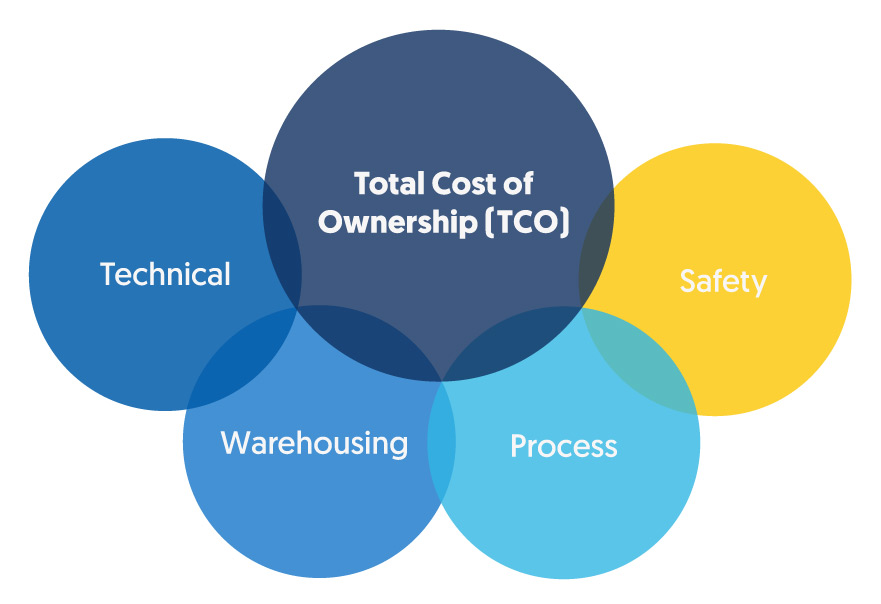
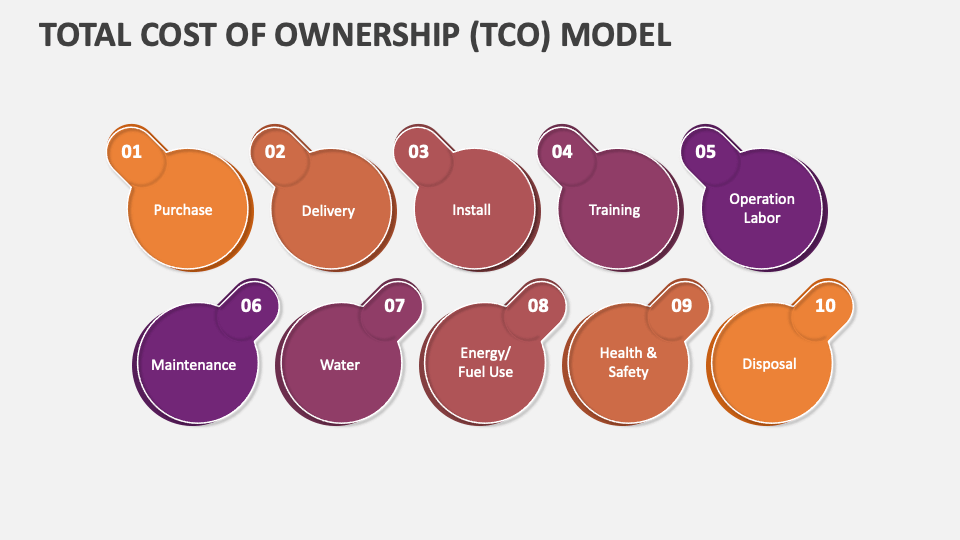
When you hear “total cost of ownership,” most people think only about the purchase price. In reality, the concept stretches far beyond that initial sticker shock. It captures every expense you’ll incur while owning an asset—from the moment you sign the contract until the day you retire it. By adding up acquisition, operation, maintenance, and disposal costs, you get a realistic picture of what the asset truly costs you.
Why TCO Matters for Decision‑Makers
Businesses and individuals alike use TCO to avoid hidden fees that can erode budgets. A low‑priced piece of equipment might demand pricey repairs, while a premium model could save money through superior energy efficiency. Understanding TCO helps you compare options on an apples‑to‑apples basis, align spending with long‑term strategy, and justify investments to stakeholders.
Breaking Down the Cost Categories
While the exact components vary by industry, most total cost of ownership analyses include four broad buckets:
- Acquisition costs: Purchase price, taxes, freight, installation, and any financing fees.
- Operational costs: Energy consumption, labor, consumables, and routine supplies needed for day‑to‑day use.
- Maintenance and support: Scheduled service, spare parts, warranties, and unexpected breakdowns.
- End‑of‑life expenses: Decommissioning, disposal fees, recycling, or resale value.
Each bucket can be quantified in different ways, but the goal is always the same: turn vague “hidden costs” into concrete numbers you can compare.
How to Calculate TCO Step by Step
Here’s a practical roadmap you can follow, whether you’re evaluating a software subscription or a heavy‑duty machine.
1. Define the analysis period
Pick a realistic horizon—often the useful life of the asset or the length of a contract. A five‑year window is common for many capital purchases.
2. Gather acquisition data
Collect quotes, shipping invoices, installation labor rates, and any one‑time fees. Don’t forget taxes and potential import duties if you’re buying overseas.
3. Estimate operational expenses
Look at energy bills, consumable usage, and staff time. If you lack exact figures, industry benchmarks can provide a solid starting point.
4. Project maintenance costs
Use manufacturer recommendations for service intervals, then apply local labor rates. Include a contingency for unexpected repairs—typically 10‑15 % of the acquisition cost.
5. Factor in end‑of‑life values
Estimate resale or scrap value, and add any costs for removal or environmentally safe disposal. Some assets even qualify for tax credits at the end of their life.
6. Summarize and compare
Sum the numbers for each category, then compare the totals across alternatives. The option with the lowest TCO isn’t always the cheapest upfront, but it often delivers the best ROI.
Common Pitfalls to Watch Out For
Even seasoned analysts can slip up. Below are the mistakes that most frequently skew TCO results.
- Ignoring inflation: Future expenses should be discounted to present‑value terms, especially for long‑term assets.
- Over‑looking indirect costs: Training, downtime during upgrades, and the impact on productivity can add up quickly.
- Assuming “free” upgrades: Vendors may bundle software updates but charge for support or additional features later.
- Neglecting resale potential: A higher upfront price can be offset by a strong residual value.
Applying TCO in Different Sectors
While the methodology stays consistent, each industry emphasizes different cost drivers.
IT and Software
Licensing fees, cloud storage, and cybersecurity measures dominate the operational side. Maintenance often translates into support contracts and periodic upgrades.
Manufacturing Equipment
Energy consumption, spare‑part inventory, and scheduled overhauls can eclipse the purchase price. Downtime costs are especially critical—one hour of unplanned stoppage can cost thousands.
Automotive Fleet Management
Fuel, insurance, routine servicing, and depreciation are the main contributors. Companies frequently use TCO calculators to decide between electric and combustion‑engine vehicles.
Tools and Resources to Simplify TCO Analysis
Several software platforms and spreadsheets can automate the heavy lifting. Look for features like:
- Built‑in depreciation schedules.
- Energy‑usage benchmarks by industry.
- Scenario modeling to test “what‑if” assumptions.
- Exportable reports that satisfy audit requirements.
Many vendors also offer free TCO calculators on their websites—use them as a sanity check before building your own model.
Bottom Line: TCO as a Decision‑Making Compass
Understanding total cost of ownership turns buying decisions from guesswork into data‑driven strategy. By accounting for every dollar that flows in and out over an asset’s life, you safeguard budgets, enhance ROI, and avoid nasty surprises down the road. Whether you’re a CFO weighing a new ERP system or a homeowner considering a solar panel installation, a solid TCO analysis is the compass that points you toward the most economical choice.
Frequently Asked Questions
What’s the difference between TCO and ROI?
TCO focuses on the full expense side, while ROI measures the return generated relative to those costs. You often calculate ROI after you’ve established the TCO.
How often should I update a TCO model?
Revisit it whenever there’s a material change—new pricing, regulatory shifts, or significant usage pattern adjustments. An annual review keeps the model relevant.
Can TCO be applied to services as well as products?
Absolutely. For services, consider subscription fees, implementation costs, training, and any exit penalties when you calculate the total cost.
.png?width=4896&height=4032&name=Understanding Total Cost of Ownership for SAP Users - visual selection(2).png)