Triple‑Negative Breast Cancer: Why Treating It Is Especially Hard
Triple‑negative breast cancer (TNBC) is a formidable foe in the oncology world. The name itself hints at the absence of three key receptors—estrogen, progesterone, and HER2—that many other breast cancers rely on for growth. Because those targets are missing, the usual arsenal of hormone blockers and HER2‑directed drugs is off the table, leaving clinicians with fewer, less predictable options.
What Makes Triple‑Negative Breast Cancer Unique
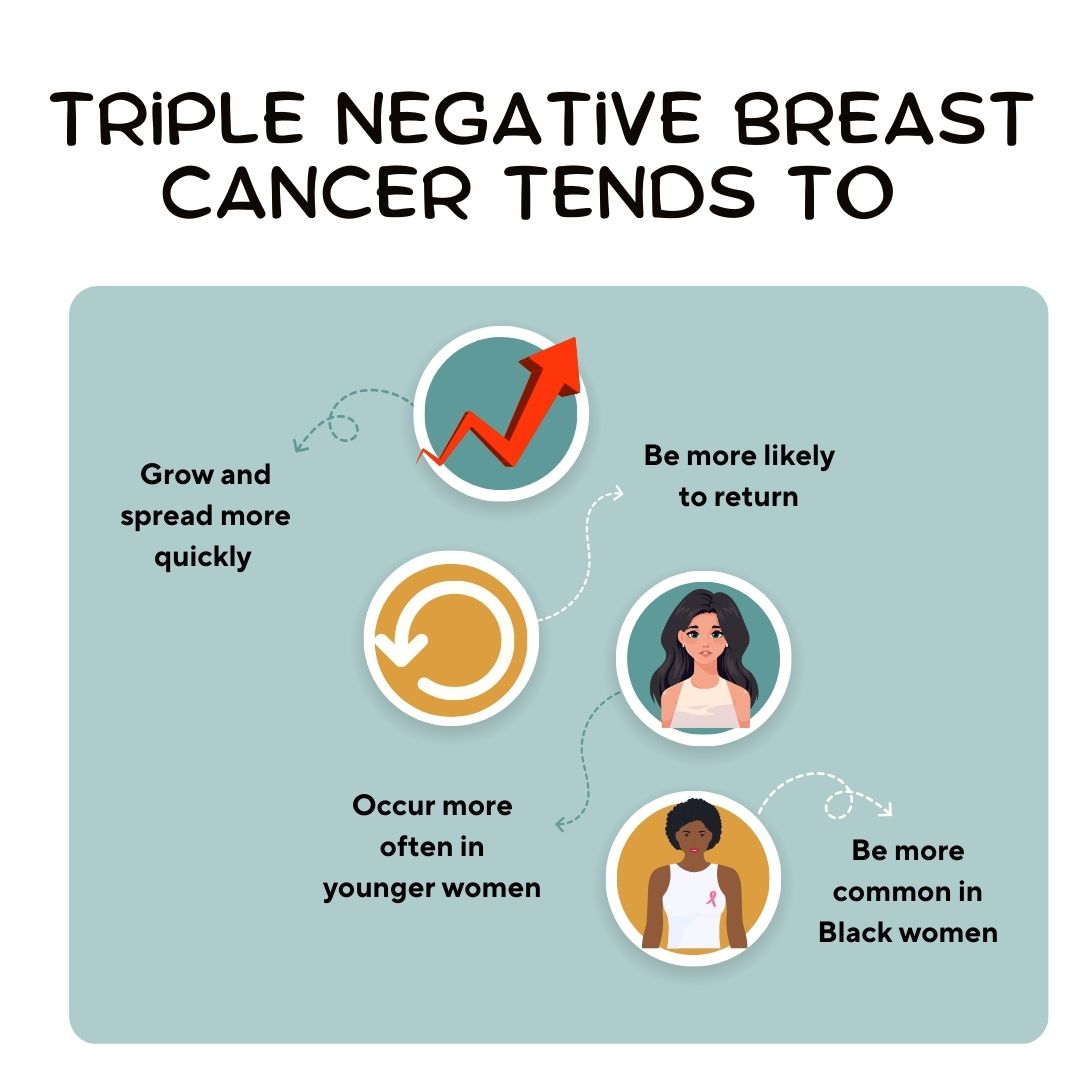
At the molecular level, TNBC cells behave like a runaway engine. They lack the familiar “fuel” signals, so they depend on alternative pathways to sustain proliferation and invasion. This leads to a more aggressive phenotype: higher rates of metastasis, a tendency to recur early, and a pronounced tendency to spread to the lungs and brain rather than the bone, which is common in hormone‑positive disease.
- Genetic instability: Many TNBC tumors exhibit mutations in tumor suppressor genes such as TP53, which disrupt normal cell cycle control.
- Stem‑cell‑like properties: A subpopulation of cells can self‑renew and resist conventional therapies, fueling relapse.
- Immune‑evasive tactics: These cancers often create a microenvironment that dampens the body’s immune response, making immunotherapy less straightforward.
Challenges in Treatment Options
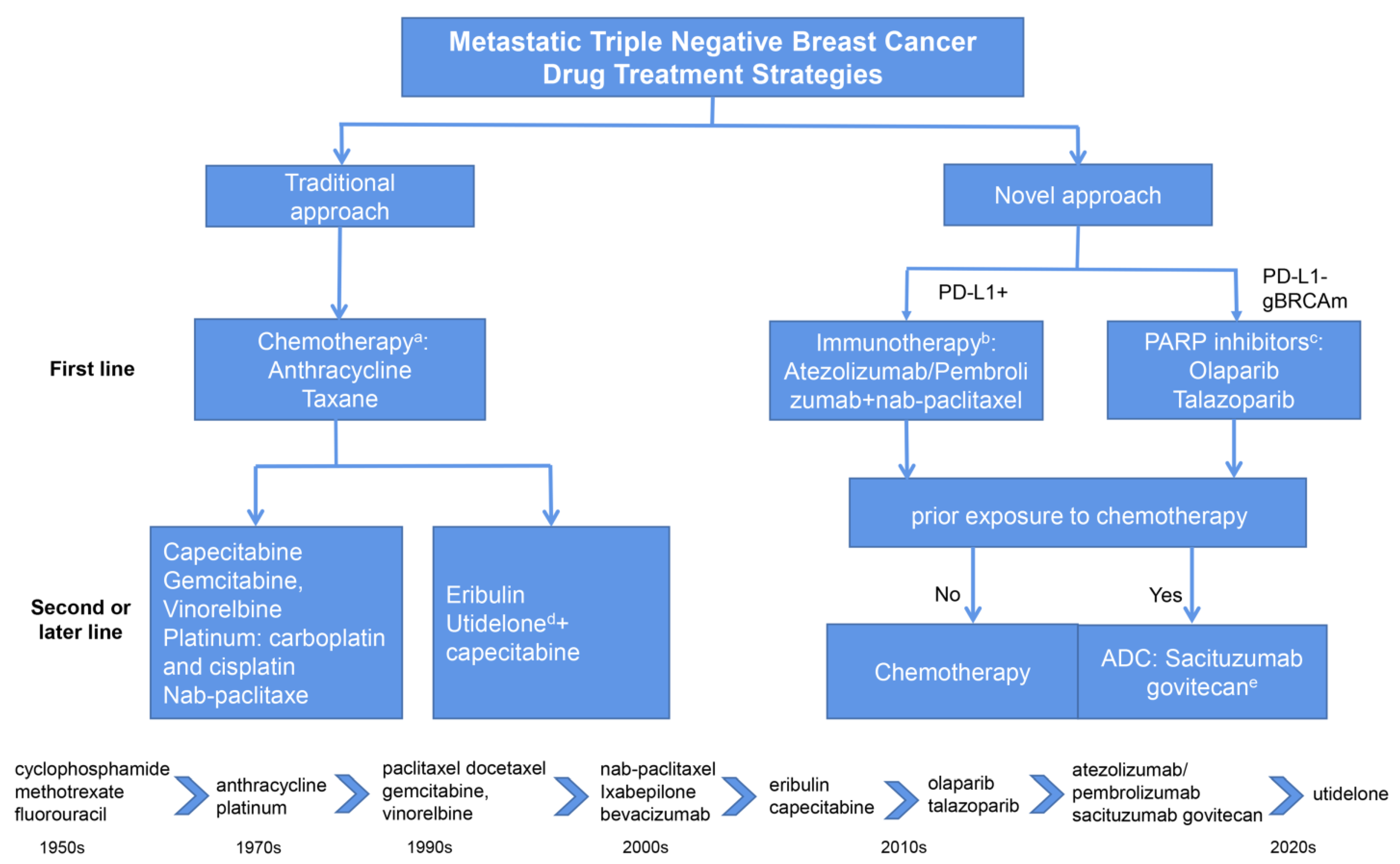
Because of its biology, TNBC is treated like a moving target. The standard approach involves a combination of surgery, radiation, and systemic chemotherapy—most often with anthracyclines and taxanes. However, even with aggressive chemotherapy, overall survival remains lower than for other subtypes.
Key hurdles include:
- Limited targeted agents: Without ER, PR, or HER2, most targeted drugs are ineffective.
- Chemotherapy resistance: Rapid mutation rates allow tumor cells to develop drug‑resistance mechanisms.
- Toxicity: Intensive regimens can cause significant side effects—bone marrow suppression, neuropathy—making dose reductions common.
- Heterogeneity: TNBC is not a single disease; subtypes within TNBC respond differently, complicating treatment planning.
Standard Chemotherapy Regimens
Current guidelines recommend a platinum‑based backbone combined with a taxane for early‑stage disease. In metastatic settings, carboplatin or cisplatin may be paired with a taxane or weekly paclitaxel. While these combinations can achieve high initial response rates, most patients eventually experience progression.
Emerging Strategies and Hope
Research is moving beyond cytotoxic drugs toward precision medicine, even for a disease that historically defied such approaches.
Immunotherapy
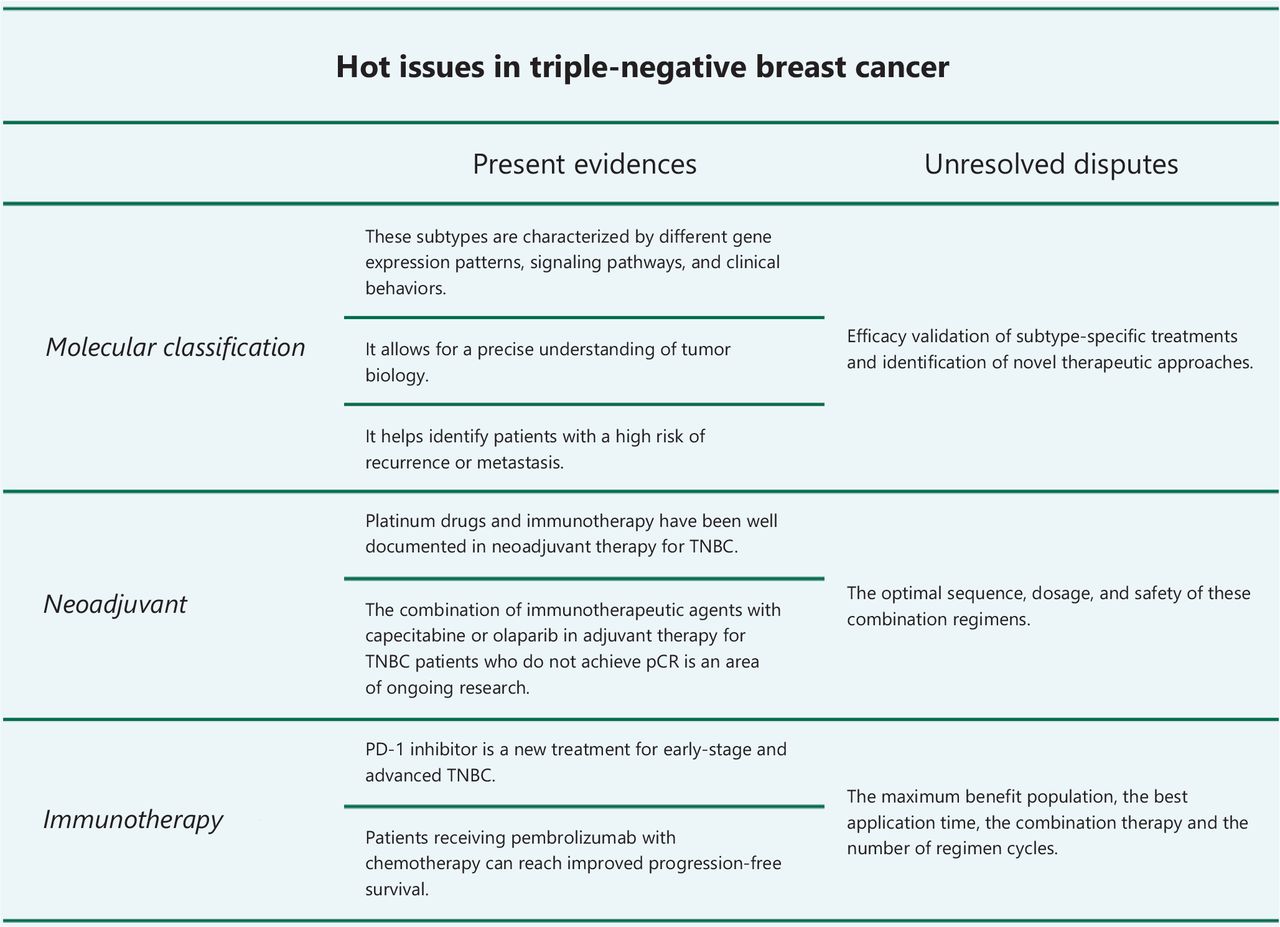
Checkpoint inhibitors—such as pembrolizumab and atezolizumab—have shown modest benefit when added to chemotherapy in the first‑line metastatic setting. The response is more pronounced in tumors with high tumor mutational burden or PD‑L1 expression, though still a minority of patients.
PARP Inhibitors
Women with BRCA1/2 mutations or other defects in homologous recombination repair may benefit from PARP inhibition. Olaparib and talazoparib have been approved for this subset, extending progression‑free survival by a few months in clinical trials.
Targeting the Tumor Microenvironment
Research is exploring drugs that alter the stroma and immune cell infiltration, potentially turning “cold” tumors into ones that respond to immunotherapy. Agents targeting VEGF or CXCR4 are in various stages of development.
Clinical Trials as a Vital Option
Given the limited approved options, enrollment in clinical studies remains the most promising path for many patients. Trials investigate novel combinations, antibody‑drug conjugates, and next‑generation immunotherapies tailored to TNBC’s unique biology.
Supporting Patients Through the Journey
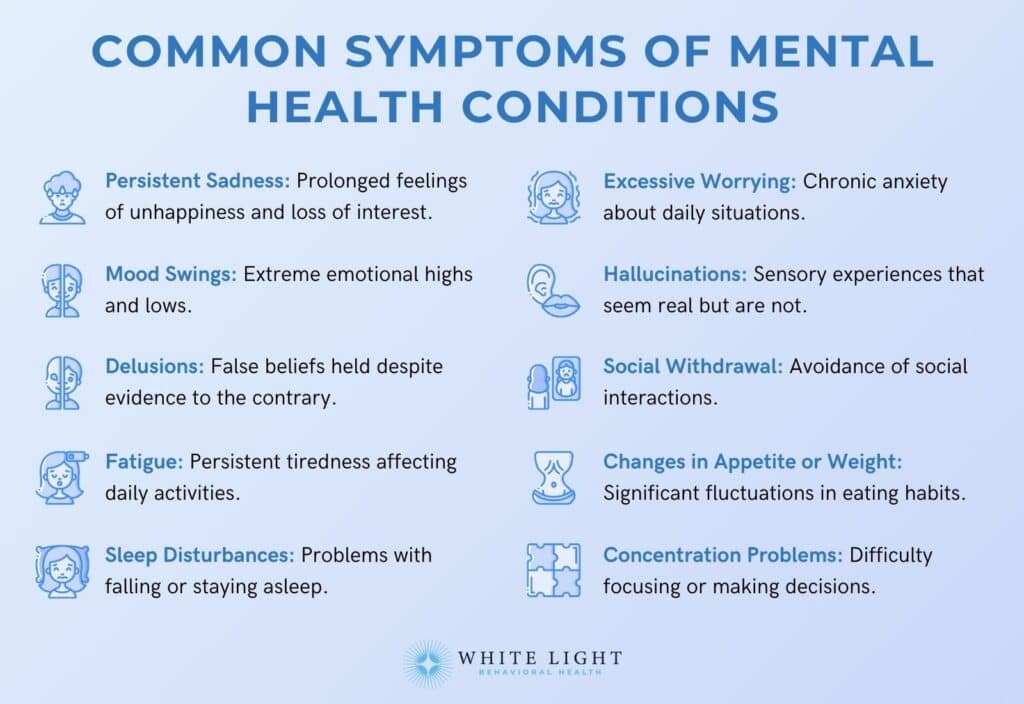
The psychological toll of TNBC is often underestimated. Survivors frequently report anxiety over rapid recurrence, fear of metastatic spread, and the burden of intense chemotherapy schedules.
- Multidisciplinary care: Integrating oncologists, surgeons, radiologists, psychologists, and nutritionists can improve both outcomes and quality of life.
- Early palliative involvement: Discussing goals of care before treatment intensifies helps align expectations and reduces distress.
- Peer support groups: Shared experiences can provide comfort and practical coping strategies.
- Lifestyle interventions: Regular exercise, balanced nutrition, and mindfulness practices have been linked to better tolerance of therapy.
Frequently Asked Questions
- Why is triple‑negative breast cancer more aggressive? Its cells often carry genetic mutations that drive rapid growth and spread, and they lack the hormone receptors that make other types more predictable.
- Can targeted therapies help? Only a small group—those with BRCA mutations or high PD‑L1 expression—benefit from targeted agents like PARP inhibitors or checkpoint blockers.
- What is the outlook for early‑stage TNBC? With multimodal treatment, many patients achieve long remission, but the risk of early relapse remains higher than in hormone‑positive disease.
- How can patients access new treatments? Enrollment in clinical trials is the most reliable route; oncologists can help identify suitable studies based on tumor genetics and overall health.