Turnstile Gates: Your Ultimate Security Solution for Any Building
When it comes to controlling access, a well‑chosen turnstile gate can feel like the silent guardian of a lobby, parking deck, or stadium concourse. Not just a barrier, it blends physical deterrence with modern technology, turning a simple passageway into a smart checkpoint. Below, we’ll walk through how these devices work, why they matter, and what to consider before you click “order.”
How Turnstile Gates Keep Unwanted Visitors Out
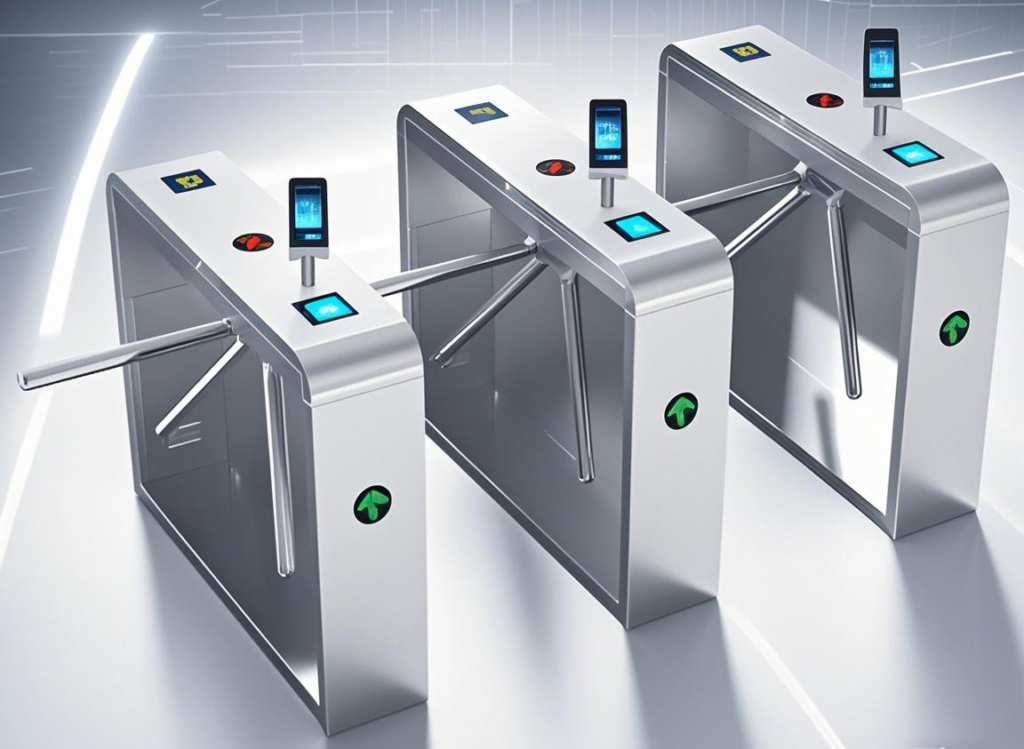
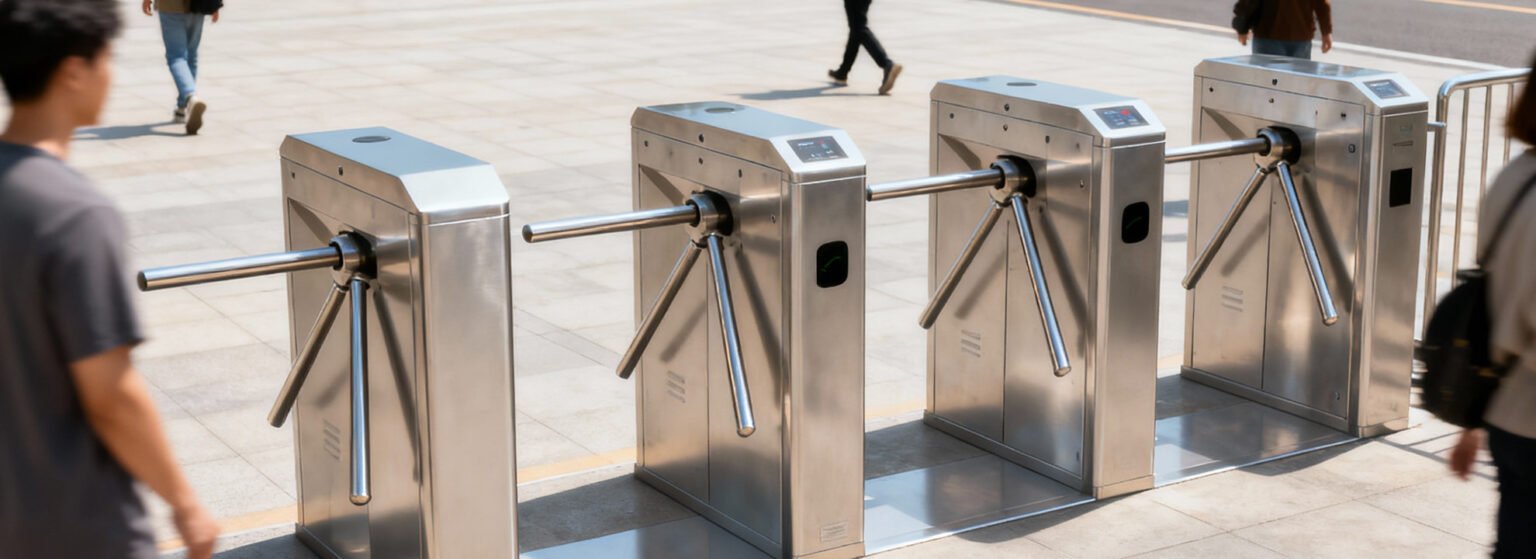
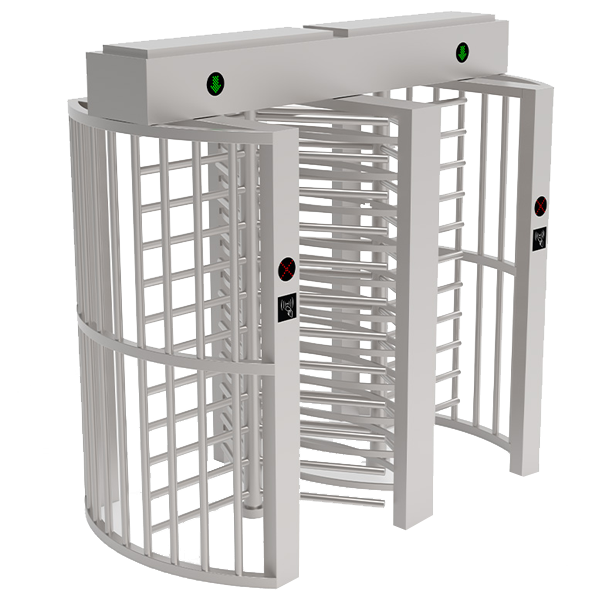
At the core, a turnstile gate is a rotating arm that only pivots when a valid credential is presented. The most common types—tripod, waist‑high, and full‑height—differ mainly in the height of the arm and the level of security they provide. A tripod model lets a person walk through after a card tap, while a full‑height barrier physically blocks entry unless the system receives a green signal.
Behind the scenes, an access‑control controller reads RFID cards, mobile credentials, or biometric data, then tells the motor to swing the arm. If the credential fails verification, the gate stays locked and often triggers an alarm or notifies security staff. The entire process takes less than a second, so users barely notice the pause.
Key Benefits That Make Turnstile Gates Worth the Investment
- Enhanced Physical Security – Unlike a simple door, a turnstile creates a single‑file bottleneck that’s hard to tailgate.
- Accurate Visitor Tracking – Every entry is logged, giving managers real‑time data on foot traffic.
- Scalability – Modern units can be linked to existing badge readers, cameras, or cloud‑based platforms without a full system overhaul.
- Deterrent Effect – The visible presence of a gate alone often discourages casual loitering or unauthorized entry.
- ADA Compliance Options – Wide‑lane or swing‑gate accessories allow wheelchair users to pass while maintaining security.
Choosing the Right Turnstile for Your Facility
Not every gate fits every doorway. Start by assessing traffic volume: high‑throughput areas like subway stations benefit from tripod or optical‑sensor models that keep lines moving, while a low‑traffic research lab might prefer a full‑height barrier for maximum control. Material matters, too—stainless steel resists corrosion in outdoor settings, whereas powder‑coated aluminum works well indoors.
Don’t overlook integration potential. If you already use a video‑surveillance system, look for turnstiles that support ONVIF or similar standards, allowing facial‑recognition cameras to share data with the access controller. Likewise, a cloud‑ready model can push logs to a central dashboard, simplifying compliance reporting for regulated industries.
Installation and Ongoing Maintenance Tips
Professional installation is non‑negotiable. The gate must be level, anchored to a solid frame, and wired to a power source that meets the manufacturer’s specifications. Improper mounting can lead to premature wear on the motor or misreads by the credential scanner.
Once installed, routine checks keep the system humming. A quick visual inspection each month—looking for debris on the arm, loose bolts, or sensor misalignment—can prevent downtime. Many vendors offer remote diagnostics; enabling that feature means you’ll get alerts before a minor glitch turns into a full‑stop.
Integrating Turnstile Gates with Modern Security Ecosystems
Today’s security landscape is about layers, not single points of failure. Turnstile gates fit neatly into a broader strategy that may include CCTV, intrusion alarms, and visitor‑management software. For instance, pairing a gate with a visitor‑pre‑registration portal lets guests receive a QR code that unlocks the barrier on arrival, reducing receptionist workload.
Another emerging trend is the use of AI‑driven analytics. By feeding entry timestamps into a machine‑learning model, facilities can spot unusual patterns—say, a surge of entries after hours—that might warrant a deeper investigation.
Cost Considerations and Return on Investment
The upfront price tag varies widely: a basic tripod unit might start around $1,500, while a full‑height, biometric‑enabled gate can exceed $10,000. However, the ROI often appears in reduced staffing costs, lower theft rates, and improved compliance reporting. For organizations that must meet strict access‑control standards—think data centers or healthcare clinics—the intangible security benefit can outweigh the dollar amount.
When budgeting, remember to factor in software licensing, integration fees, and periodic maintenance contracts. Some suppliers bundle these costs into a subscription model, turning a large capital expense into predictable monthly payments.
Future‑Proofing Your Turnstile Investment
Technology evolves, but a well‑chosen gate can adapt. Look for modular designs that let you swap out credential readers without replacing the whole unit. Open‑API support ensures that as new authentication methods (like NFC wristbands) emerge, you can incorporate them with a simple software update.
Finally, consider aesthetics. Modern turnstiles come in sleek finishes and can be customized with branding elements, turning a security device into a design feature that complements your building’s architecture.
FAQ
What types of credentials can a turnstile gate read?
Most units accept RFID cards, proximity badges, mobile phone NFC tags, and—if equipped—biometric inputs such as fingerprint or facial scans. The exact mix depends on the controller you choose.
Can turnstile gates be used for vehicles?
Standard pedestrian turnstiles are not designed for cars, but many manufacturers offer vehicle‑specific barriers—often called “boom gates”—that operate on similar access‑control principles.
How do turnstiles handle emergency evacuations?
All reputable models feature a fail‑safe mode that automatically unlocks the gate when power is cut or fire alarm signals are received, ensuring a clear egress path.
Is it possible to integrate turnstiles with existing badge systems?
Yes. Most modern turnstiles support industry‑standard protocols (e.g., Wiegand, OSDP), allowing them to communicate seamlessly with legacy card‑reader infrastructure.