Uncovering the Marvels of the Indus Valley Civilization
Life Along the Riverine Cities
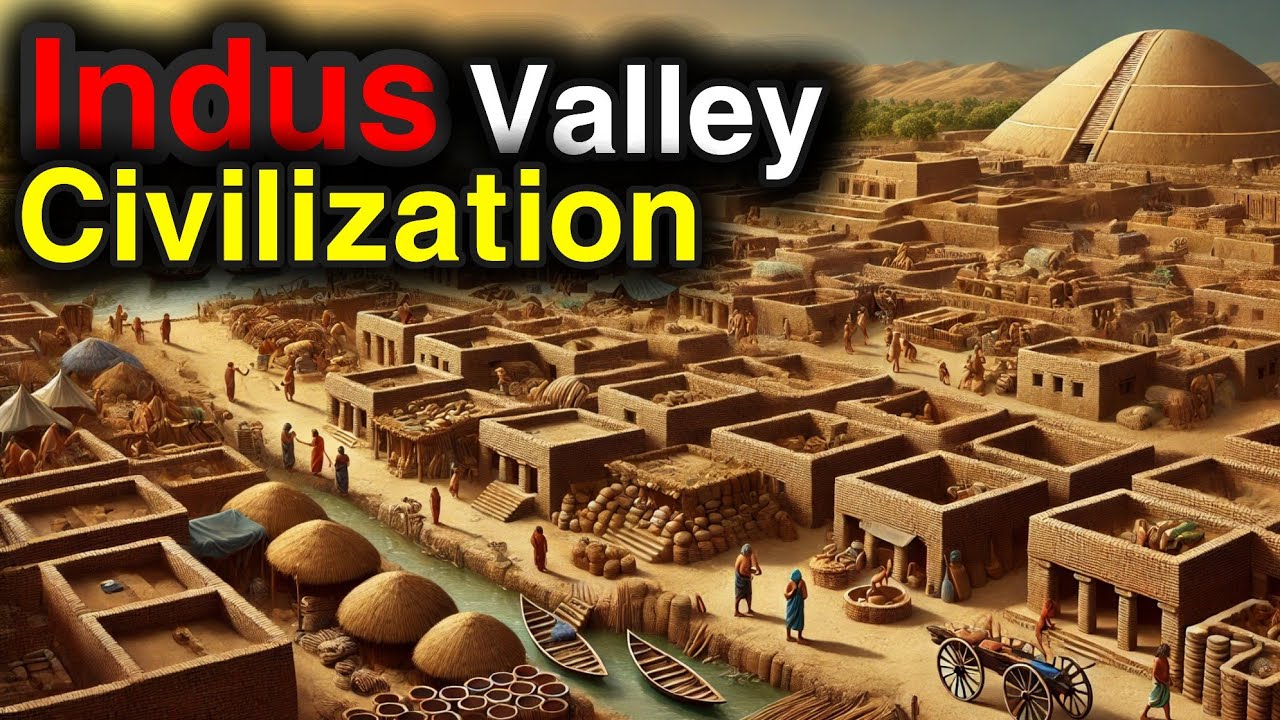
The Indus Valley Civilization flourished around 3300–1300 BCE, anchored by the fertile banks of the Indus and its tributaries. Archaeologists have uncovered compact settlements where mud‑brick houses clustered around communal wells, suggesting a society that prized shared resources. Daily life likely revolved around agriculture—wheat, barley, and cotton—supplemented by fishing and animal husbandry. While we cannot hear their conversations, the remnants of pottery, beads, and simple tools paint a picture of a community both industrious and surprisingly organized.
Urban Planning That Still Amazes
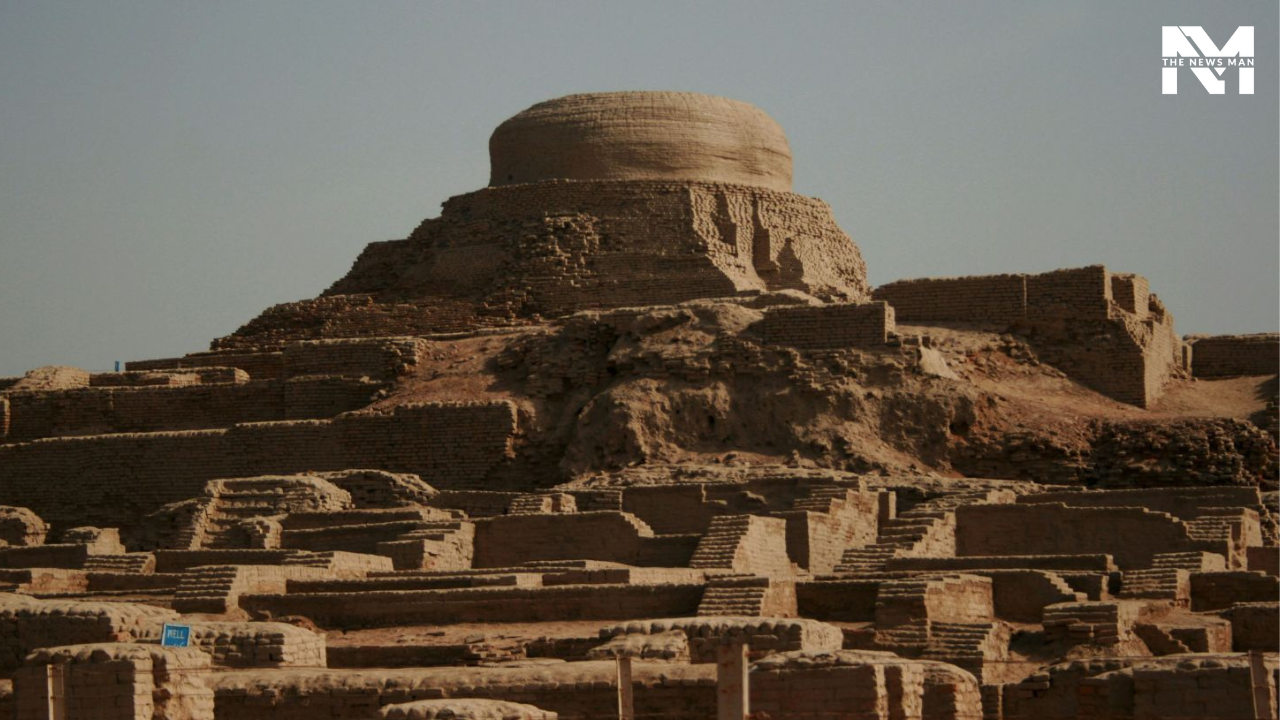
What truly sets the Indus Valley apart is its sophisticated city layout. Mohenjo‑Daro and Harappa, the two flagship sites, reveal grid‑like streets intersecting at right angles, a rarity for a civilization of that era. Drainage systems ran beneath the streets, channeling wastewater into covered sewers—a level of public sanitation that many later cultures struggled to replicate. Homes featured private courtyards, and many boasted a “toilet” connected to the drainage, indicating an early understanding of hygiene.
These cities also displayed a standardized system of weights and measures carved from stone, hinting at a regulated trade network. The uniformity of brick sizes across distant sites suggests either centralized oversight or a shared cultural norm that spread through merchant routes.
Mysteries of the Script and Trade
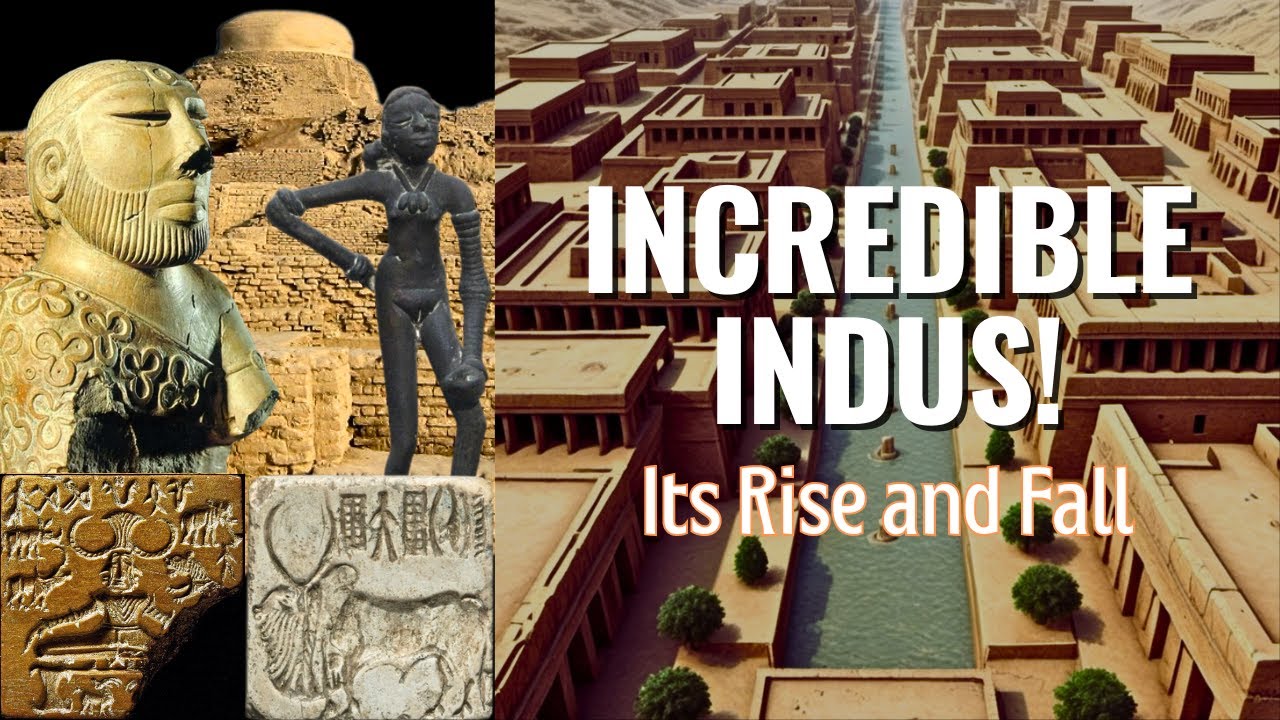
One of the most enduring puzzles is the Indus script, a collection of short symbols etched onto seals, pottery, and tablets. Despite decades of effort, scholars have not reached a consensus on its decipherment. Some argue it represents a logo‑based system for trade, while others propose a full writing system that simply eluded modern analysis. The script’s brevity—most inscriptions contain fewer than a dozen signs—makes definitive conclusions elusive.
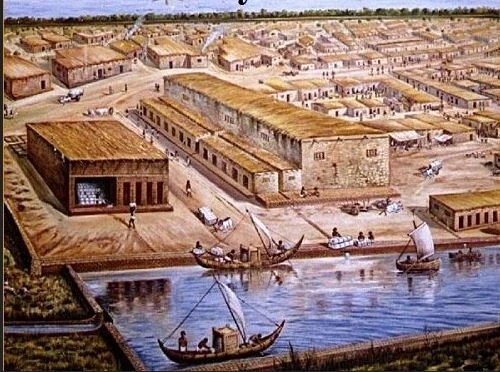
Trade, however, leaves clearer footprints. Seals bearing animal motifs traveled as far as Mesopotamia, and excavations have recovered lapis lazuli from Afghanistan, copper from Oman, and gold from the Arabian Peninsula. Such exchange implies a network of merchants who not only moved goods but also ideas, perhaps influencing the development of writing and metallurgy in neighboring regions.
Theories Behind the Decline
By 1900 BCE, the once‑vibrant urban centers began to wane. Climate change stands out as a plausible factor: shifting monsoons may have reduced river flow, straining agricultural output. Simultaneously, evidence of increased flooding at some sites points to erratic water patterns that could have devastated settlements built close to the riverbanks.
Other hypotheses focus on socio‑economic stress. A breakdown in trade routes, possibly due to emerging powers in the Near East, could have crippled the economy. Additionally, archaeological layers show signs of localized fires and construction pauses, hinting at internal unrest or resource scarcity. No single explanation dominates, and most scholars favor a combination of environmental and human pressures.
Legacy and Modern Discoveries
Even millennia later, the Indus Valley's influence echoes in South Asian culture. The concept of a city council, reflected in the uniformity of public works, finds parallels in later urban planning traditions across the subcontinent. Recent excavations using ground‑penetrating radar have uncovered previously hidden neighborhoods, suggesting the civilization was more extensive than earlier estimates.
DNA analysis of human remains, though still limited, indicates a genetically diverse population with links to both ancient Iranian farmers and local hunter‑gatherers. This genetic mosaic reinforces the idea of a cosmopolitan society that welcomed newcomers, a trait that likely fueled its economic vitality.
Key Sites at a Glance
- Mohenjo‑Daro – Known for its Great Bath and intricate street grid.
- Harappa – Features extensive granaries and a complex seal workshop.
- Dholavira – Showcases an advanced water‑storage system in the arid Kutch region.
- Rakhigarhi – One of the largest sites, providing insights into early urban expansion.
FAQ
What were the major cities of the Indus Valley Civilization?
The primary urban centers include Mohenjo‑Daro, Harappa, Dholavira, and Rakhigarhi, each revealing distinct aspects of planning, trade, and daily life.
How did the Indus people write, and why is it undeciphered?
They used a set of concise symbols impressed on seals and pottery. The brevity of the inscriptions and lack of bilingual texts make decipherment challenging, leaving the script's exact nature a matter of ongoing debate.
Why did the Indus Valley Civilization collapse?
Most researchers point to a mix of climatic shifts—such as weakened monsoons and erratic flooding—and socio‑economic disruptions like trade decline and possible internal conflicts.