Understanding 2014 Subaru Impreza Dashboard Warning Lights
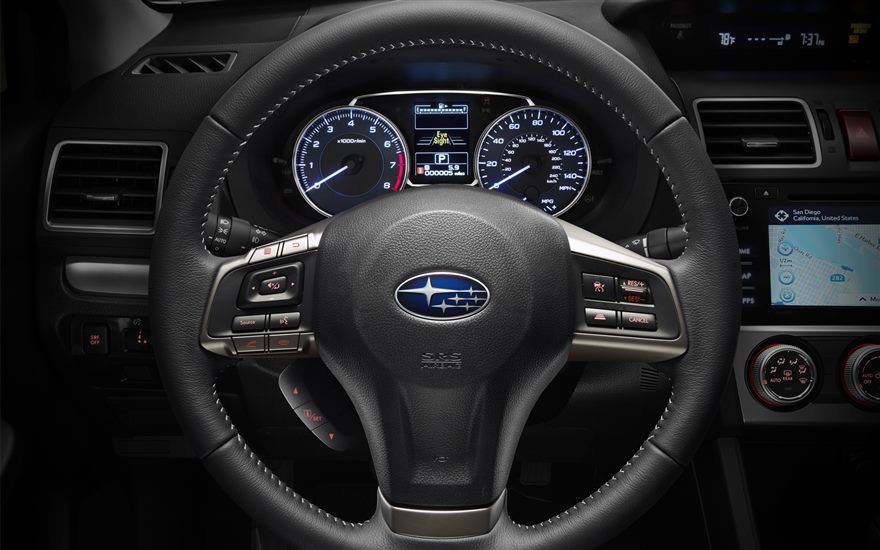
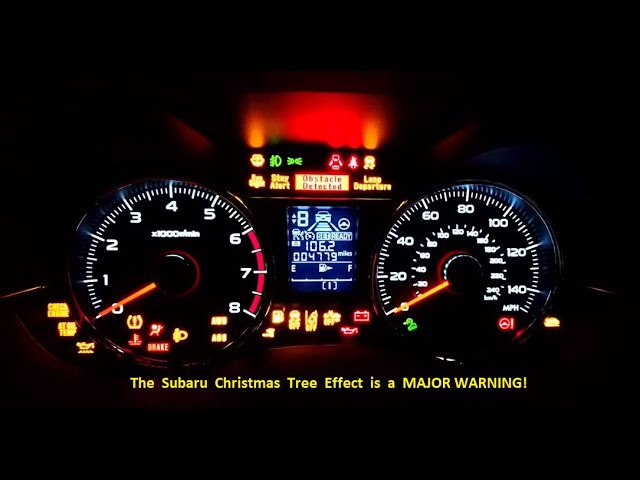
There is a distinct anxiety that comes with seeing a light pop up on your dashboard, especially when you are already running late. If you drive a 2014 Subaru Impreza, you are no stranger to that symphony of colored icons. Modern cars are essentially computers on wheels, and while it can feel like your Impreza is trying to break the news in a overly dramatic fashion, these lights are actually your vehicle’s way of asking for help. Knowing what they mean can save you from expensive repairs down the road.
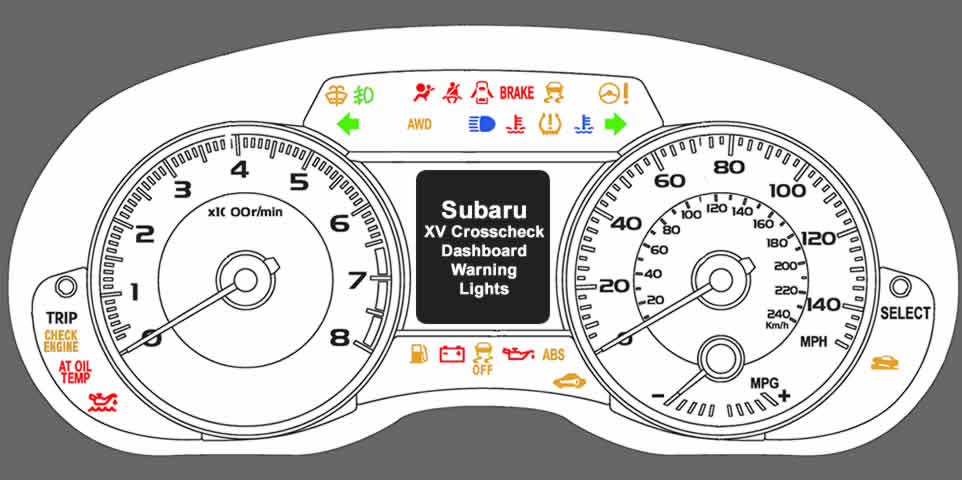
Your car’s instrument cluster is designed to communicate urgency through color and shape. It is worth taking a moment to understand these signals before they turn a minor inconvenience into a major headache. Let’s break down the most common dashboard lights found in this generation of Subaru sedans and hatchbacks.
Red Lights: Stop Immediately
In the world of automotive warning systems, red almost always indicates a critical failure. If you see a red light, your general rule of thumb should be to pull over safely and turn off the engine as soon as it is practical. Ignoring a red light can cause catastrophic damage to the vehicle.
- Check Engine Light (Red): Wait, isn’t that orange? Yes, usually. But if your check engine light is flashing red, or if you have a specific engine temperature warning, that is a severe issue. A steady red engine light in some contexts indicates overheating. If your 2014 Impreza’s temperature gauge is in the red, stop driving immediately. Continuing to drive an overheated Subaru can warp the cylinder heads, a repair that costs thousands of dollars.
- Brake System Warning: This exclamation mark inside a circle usually means your parking brake is engaged. However, if you have released the brake and the light stays on, it could indicate low brake fluid or a failure in the braking system. This is not something to troubleshoot while moving. You need to brake with caution and get professional help.
- Battery/Charging System: A battery icon means your alternator is not charging the battery. You are currently running on the reserve power of the battery alone. The car might seem to be running fine, but it will die as soon as that reserve is gone. Do not try to drive to a destination; you will likely lose electrical power and steering assist.
- Low Oil Pressure: An oil can icon pouring oil is the most dangerous light you can see. It means the oil pump is not delivering sufficient lubrication to the engine components. Turning off the engine immediately is the only way to prevent seized pistons and a total engine rebuild.
Red lights are non-negotiable. They demand your immediate attention.
Amber/Yellow Lights: Schedule a Repair
Amber or yellow lights indicate a problem that needs attention, but it is not an immediate emergency. You can generally continue driving, but you should plan to get the car inspected soon.
- Check Engine Light (Solid): This is the most common light for Subaru owners. A solid amber light could mean anything from a loose gas cap to a faulty oxygen sensor. In Subarus, it frequently triggers due to emissions-related issues rather than catastrophic engine failure. If the engine runs normally and has no power loss, drive it to a mechanic. If the car is shaking or running poorly, treat it with more urgency.
- Tire Pressure Monitoring System (TPMS): An exclamation mark inside a horseshoe shape indicates low pressure in one or more tires. Subarus are sensitive to tire pressure, and this light often comes on during seasonal temperature drops when air contracts. Check your tires with a gauge. If one is significantly lower than the others, you might have a slow leak or a puncture. Under-inflated tires wear unevenly and reduce fuel efficiency.
- ABS Warning Light: An "ABS" inside a circle indicates a fault in the Anti-lock Braking System. Your regular brakes will still work, but you will not have the anti-lock feature during hard stops. This is safe for normal driving but requires a diagnostic scan to fix the sensor issue.
- Engine Temperature Warning: If the thermometer icon is yellow and in the upper range, the engine is running hot but not yet critical. Turn off the heater to stop pulling heat into the cabin and let the engine cool. Get it checked to ensure the coolant levels and radiator are functioning correctly.
While amber lights are less urgent than red ones, they should not be ignored for weeks or months. Small issues can escalate if left untreated.
Blue and Green Lights: Operational Status
These lights are the good guys. They simply inform you that a specific system is currently active.
Blue usually indicates high-beam headlights are on. If you are driving in traffic and this light is on, you are likely blinding the driver behind you. Green lights indicate turn signals, low-beam headlights, or that the cruise control is engaged. If these lights are on when they shouldn't be, it means you forgot to switch them off or engage them, not that your car is broken.
The Special Case of Subaru All-Wheel Drive
One unique aspect of the 2014 Impreza is its standard Symmetrical All-Wheel Drive system. You may notice a "Drive Mode Assist" indicator. This is not a warning light but an informational display showing whether the car is in "Normal" or "Sport" mode. However, if you see a message regarding AWD malfunction, this is a serious issue. It typically involves the center differential or the connection between the front and rear axles. While the car may still drive, it will operate in a limited mode and should be towed to a Subaru specialist to prevent damage to the driveline.
What Should You Do First?
If a warning light appears, do not panic. Pull over if necessary, check the basics. Is the gas cap tight? Is the parking brake fully released? Check your tire pressures. If the light persists, it is time to use an OBDII scanner or visit a mechanic. Many auto parts stores will scan your code for free, giving you a better idea of what is wrong before you pay for diagnostics. Knowing your dashboard is the first step in keeping your Subaru reliable and safe on the road.
Frequently Asked Questions
Can I drive my 2014 Subaru Impreza if the Check Engine Light is on?
If the light is solid amber and the car feels normal, it is generally safe to drive to a mechanic. However, if the light is flashing or if you notice a loss of power or unusual noises, you should stop driving immediately to avoid severe engine damage.
Why does my TPMS light stay on even after filling the tires?
The system may need to be recalibrated. Sometimes you need to drive at highway speeds for 20 minutes for the sensors to update. If the light returns, one of your tire pressure sensors may be faulty or dead, requiring replacement.
What causes the brake warning light to come on unexpectedly?
Common causes include accidentally leaving the parking brake engaged, low brake fluid levels, or a faulty wheel speed sensor. It is essential to check the brake fluid level and ensure the parking brake is fully released before assuming a major mechanical failure.
Does the 2014 Impreza have a specific maintenance reminder light?
Yes. You will see a maintenance icon that looks like a wrench or a car with an exclamation point. This is based on mileage and time intervals. Once serviced, the mechanic or owner needs to reset this system using the dashboard controls or a diagnostic tool.