Understanding Absolute vs. Relative Finance: A Clear Explanation
When you hear the terms “absolute” and “relative” tossed around in finance discussions, it can feel like you’re stepping into a jargon‑heavy arena. In reality, the distinction boils down to how performance, risk, or value are measured—either against a fixed benchmark (absolute) or in comparison to something else (relative). This article unpacks the two concepts, highlights their practical implications, and helps you decide which lens fits your financial goals.
What Is Absolute Finance?
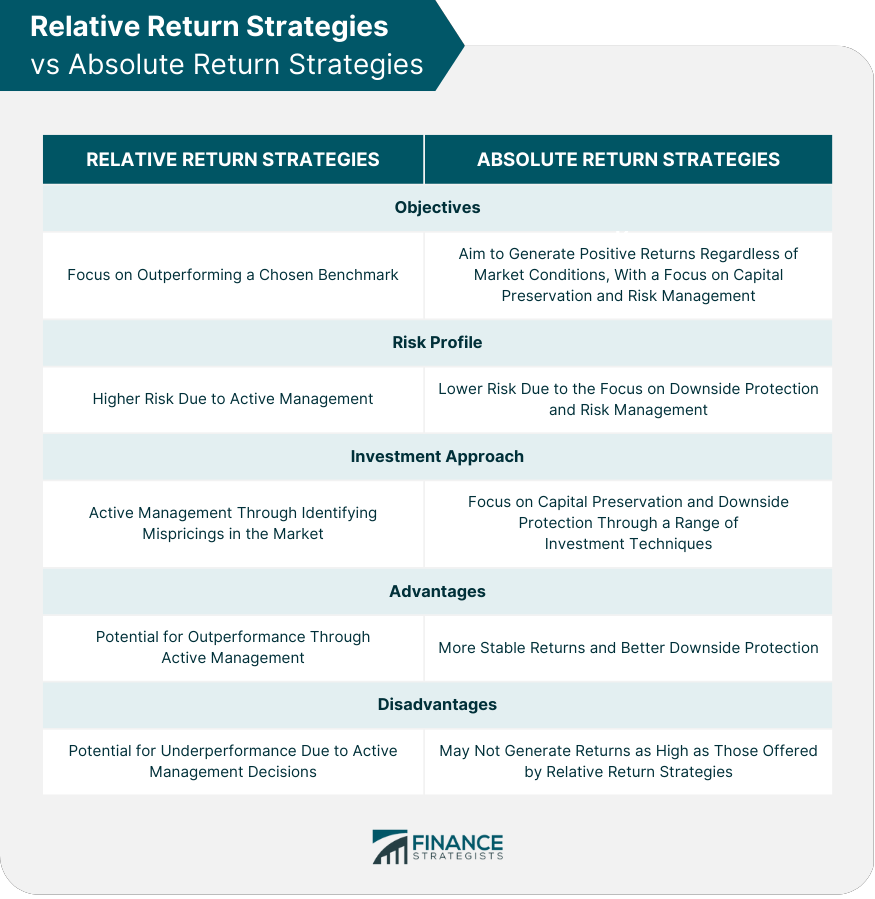
Absolute finance focuses on achieving a specific, often numeric, target regardless of external conditions. Think of it as a “stand‑alone” approach: the goal is to hit a predetermined return, preserve capital, or meet a set risk threshold without referencing market indices or peer performance.
Typical metrics include:
- Absolute return – the total percentage gain or loss over a period.
- Value at risk (VaR) – a dollar amount that quantifies potential loss.
- Sharpe ratio (when used as an absolute measure) – comparing excess return to total risk.
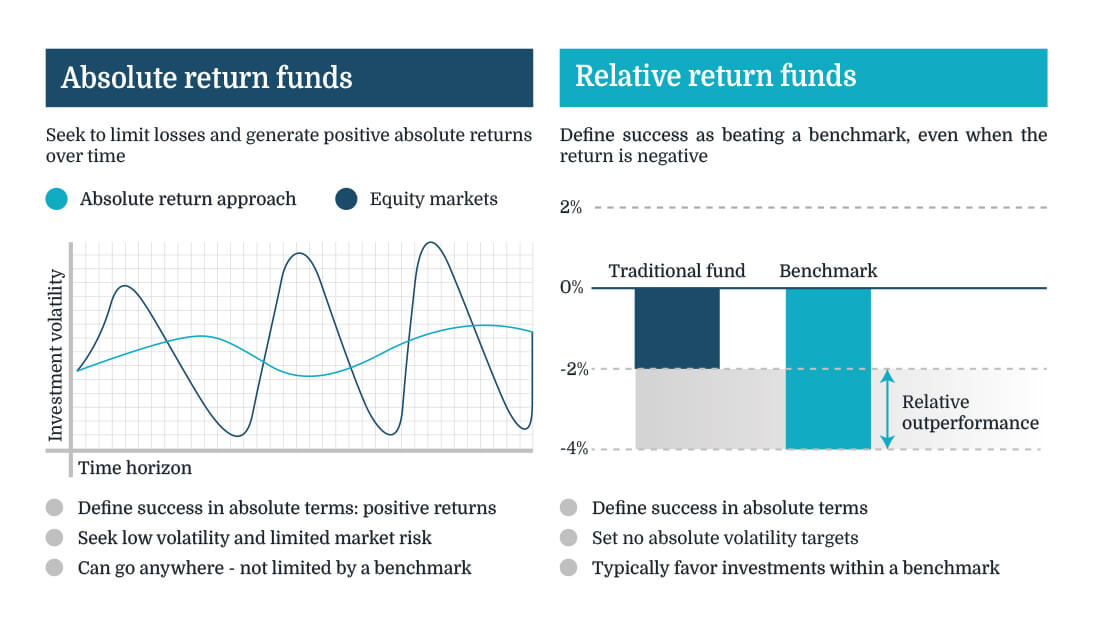
Because the benchmark is internal, investors can judge success even when markets swing wildly. A hedge fund promising a 5 % annual absolute return, for example, would be judged on whether it hits that figure, not on how the S&P 500 performed.
What Is Relative Finance?
Relative finance, by contrast, measures performance against an external benchmark. The idea is simple: your portfolio should do better—or at least no worse—than a chosen reference point, such as a market index, sector average, or peer group.
Common relative metrics include:
- Alpha – excess return over a benchmark after adjusting for risk.
- Beta – the degree to which a portfolio’s movements mirror the market.
- Information ratio – consistency of outperformance relative to a benchmark.
Relative performance matters most when investors care about “beating the market.” Mutual funds that tout “outperformance of the Russell 2000” are essentially promising superior relative returns.
Key Differences Between Absolute and Relative Finance
Although the two approaches share some tools, they diverge on several fronts:
- Goal orientation: Absolute finance aims for a fixed target; relative finance aims for a comparative edge.
- Risk perception: Absolute methods often set hard risk limits (e.g., max loss of $1 million), while relative methods accept risk as long as it doesn’t exceed the benchmark’s volatility.
- Performance evaluation: With absolute measures, success is binary—did you hit the target? Relative measures require a continuous yardstick, making “good enough” more nuanced.
- Market dependency: Absolute strategies can thrive in flat or declining markets if they protect capital; relative strategies may suffer if the benchmark falls, even if the manager makes smart moves.
When to Use Each Approach
Choosing between absolute and relative finance isn’t a matter of one‑size‑fits‑all; it hinges on investor objectives, risk tolerance, and market outlook.
Scenarios Favoring Absolute Finance
Capital preservation—Retirees or endowments often prioritize not losing money over beating the market. An absolute‑return fund that caps losses at 2 % per year aligns with that need.
Low‑correlation assets—When a portfolio includes alternative assets like private equity or real estate, absolute targets help isolate their contribution without conflating it with stock market moves.
Regulatory or contractual mandates—Pension plans may be required to meet a specific funded status, making absolute benchmarks mandatory.
Scenarios Favoring Relative Finance
Active management ambitions—If you’ve hired a manager specifically to “beat the S&P 500,” relative metrics are the natural yardstick.
Benchmark‑linked compensation—Many hedge fund fees are tied to outperformance relative to a defined index, so both manager and investor focus on relative returns.
Market‑driven strategies—Long‑only equity funds typically benchmark against indices; their success is judged relative to those same markets.
Blending Both Perspectives
Many sophisticated investors adopt a hybrid view: they set an absolute return floor to protect capital while still striving for relative outperformance. This dual‑layered approach can look like a “core‑satellite” model, where core holdings track an index (relative) and satellite positions pursue absolute‑return objectives through alternatives.
In practice, a balanced portfolio might hold:
- A low‑cost index fund tracking the MSCI World (relative benchmark).
- A hedge‑style absolute‑return strategy targeting 4–6 % annual gains.
- Cash or short‑term bonds acting as a buffer to meet an absolute loss cap.
This combination lets investors enjoy the efficiency of market exposure while safeguarding against extreme downturns.
FAQs
What’s the main advantage of absolute‑return strategies?
They aim to deliver positive performance regardless of market direction, which can be especially valuable during periods of high volatility or prolonged bear markets.
Can a fund be both absolute and relative?
Yes. Many managers report both an absolute return figure and an alpha relative to a benchmark, giving investors a fuller picture of performance.
Do absolute‑return funds have higher fees?
Often they do, because achieving consistent returns in any market requires more active, complex strategies—think derivatives, short selling, or leverage—which increase operational costs.
How should I decide which approach suits me?
Start by clarifying your primary goal: preserving capital and hitting a fixed target points toward absolute finance, while a desire to “beat the market” leans toward relative finance. Your risk tolerance and investment horizon will further shape the mix.