Understanding Decompression Sickness: Causes, Symptoms, and Treatment
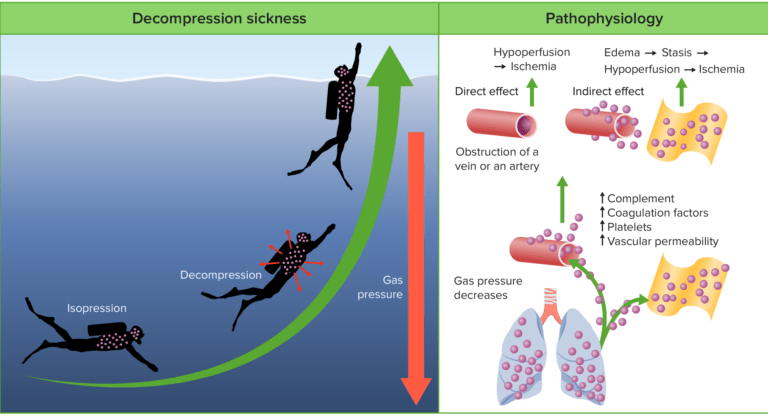
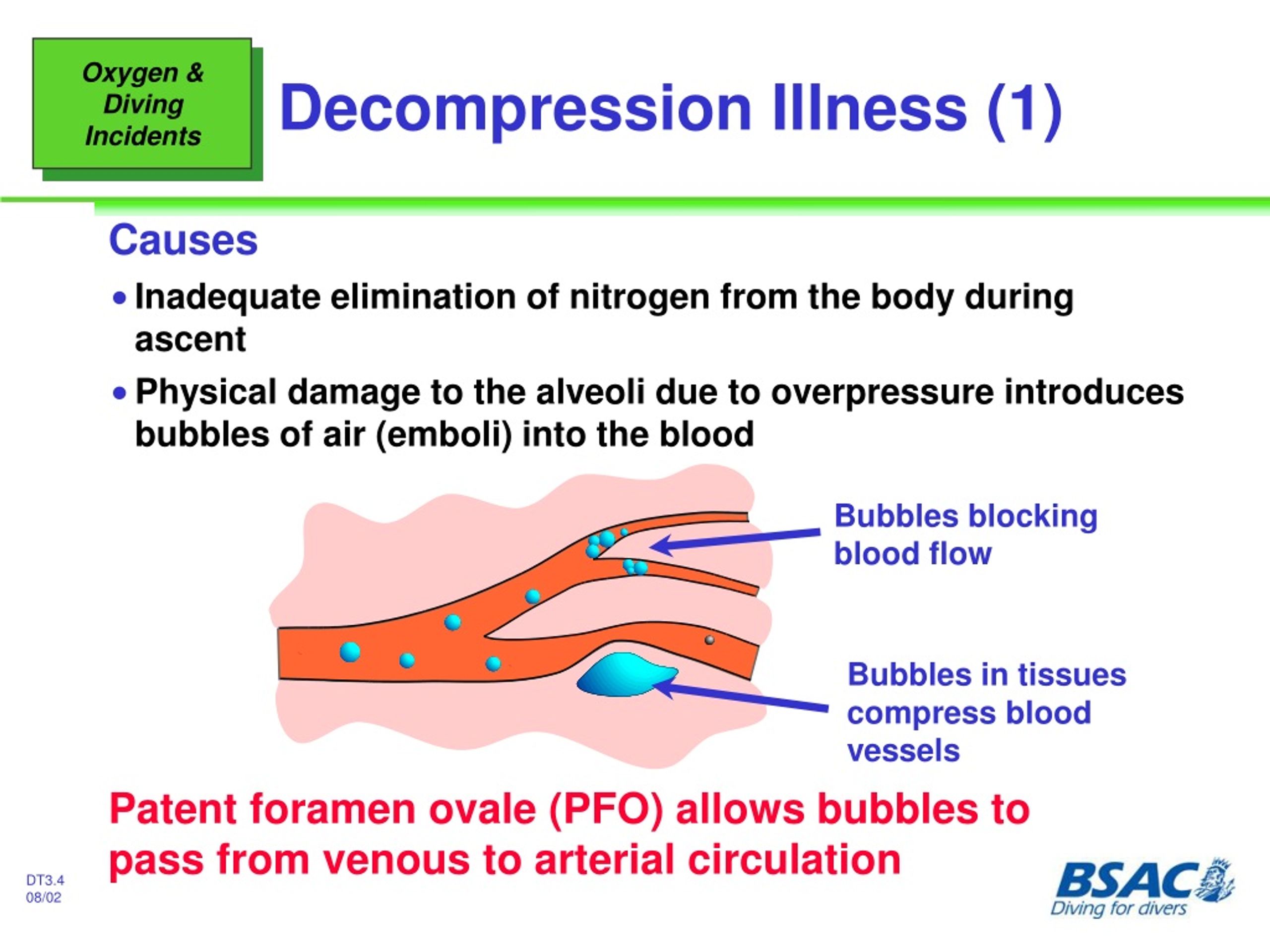
When a diver surfaces too quickly or a pilot experiences a rapid altitude change, the body can react in a surprisingly uncomfortable way—known as decompression sickness. Often called “the bends,” this condition arises when dissolved gases, primarily nitrogen, form bubbles inside tissues and blood vessels. While the phrase may sound dramatic, the underlying science is surprisingly straightforward, and knowing the signs can make all the difference between a quick recovery and a medical emergency.
What Triggers the Bubbles?
During a dive or high‑altitude flight, the surrounding pressure forces more nitrogen from the breathing gas into the bloodstream. Under normal circumstances, the body gradually releases this excess gas through the lungs as you ascend or descend at a controlled rate. Problems start when the pressure drops faster than the body can eliminate nitrogen, allowing it to come out of solution and coalesce into tiny bubbles.
- Depth and time—the deeper and longer you stay underwater, the more nitrogen is absorbed.
- Rate of ascent—a rapid climb doesn’t give tissues enough time to off‑gas.
- Physical exertion—heavy activity during or after a dive can push bubbles into the bloodstream.
These factors are why dive tables and modern dive computers emphasize “no‑stop” limits and safe ascent rates.
Who Is Most at Risk?
Anyone who experiences a sudden reduction in ambient pressure can develop decompression sickness, but some groups face higher odds:
- Recreational and technical divers—especially those who ignore safety stops.
- Commercial pilots and astronauts—cabin pressurization changes can mimic dive conditions.
- Patients undergoing hyperbaric oxygen therapy—improper decompression protocols may trigger symptoms.
Even a seemingly modest dive can become risky if the diver is dehydrated, ill, or has a pre‑existing condition that affects blood flow.
Recognizing the Symptoms
Decompression sickness can manifest within minutes or up to 24 hours after exposure. The symptoms fall into two broad categories:
Joint and Muscular Pain
Often described as a dull ache or “stiffness,” this pain typically targets the shoulders, elbows, knees, or ankles—areas with abundant small blood vessels. The classic “bends” nickname comes from this joint discomfort.
Neurological and Cardiovascular Signs
Bubbles that lodge in the spinal cord or brain may cause numbness, tingling, visual disturbances, or even loss of consciousness. When bubbles obstruct blood flow to the heart or lungs, shortness of breath, chest pain, and a rapid heartbeat can follow. These more severe presentations demand immediate medical attention.
How Is It Diagnosed?
Doctors rely on a combination of patient history, symptom pattern, and physical examination. Imaging tools—such as MRI for neurological involvement or Doppler ultrasound to detect intravascular bubbles—can support the diagnosis, though they aren’t always necessary. In practice, a clear link between recent pressure exposure and symptom onset often suffices to start treatment.
Treatment Options and Prevention Strategies
The gold‑standard treatment is hyperbaric oxygen therapy (HBOT). By placing the patient in a sealed chamber with increased atmospheric pressure, the bubbles shrink, and oxygen-rich blood floods the affected tissues, speeding recovery.
- Immediate recompression—most facilities follow the US Navy Treatment Table 6 protocol, which adjusts pressure in a stepwise fashion.
- Supportive care—fluids, pain management, and monitoring for complications.
Preventing decompression sickness hinges on disciplined dive planning:
- Follow recommended ascent rates (generally no faster than 30 feet per minute for recreational diving).
- Observe all safety stops, especially the 3‑minute stop at 15 feet.
- Stay well‑hydrated and avoid heavy exercise right after surfacing.
- Use dive computers or tables that account for repeated dives and surface intervals.
Frequently Asked Questions
Can I develop decompression sickness after a single shallow dive?
While the risk is lower, it’s not zero. Even shallow dives can cause bubbles if the ascent is too rapid or if the diver is already nitrogen‑saturated from prior activity.
Is it safe to fly after diving?
Most dive organizations recommend waiting at least 12‑24 hours before boarding a commercial flight, depending on the dive profile. The extra time allows the body to off‑gas nitrogen safely.
Do “bubble‑free” dive computers guarantee I won’t get the bends?
Modern dive computers are excellent tools, but they rely on accurate input and proper use. Human error—like ignoring alerts or misreading the display—can still lead to unsafe ascents.
Understanding how pressure changes affect the body equips divers, pilots, and anyone exposed to rapid altitude shifts with the knowledge to act swiftly. By respecting ascent guidelines, staying hydrated, and seeking prompt treatment if symptoms appear, you can keep the excitement of the underwater world—or the thrill of flight—free from the unwanted surprise of decompression sickness.