Understanding Electroconvulsive Therapy: Key Facts
What Is Electroconvulsive Therapy?
Electroconvulsive therapy, commonly abbreviated as ECT, is a medical procedure that intentionally induces a brief seizure in the brain under carefully controlled conditions. First introduced in the 1930s, it has evolved from a crude treatment into a highly regulated intervention performed in hospitals and specialty clinics. Today, ECT is administered by a team that includes psychiatrists, anesthesiologists, and nurses, all trained to ensure patient safety and comfort.
Why Clinicians Recommend ECT
Doctors typically consider ECT when a patient’s mood disorder is severe, rapidly worsening, or has not responded to multiple medication trials. Major depressive episodes, especially those with psychotic features or suicidal risk, are the most common indications. Bipolar depression, certain cases of schizophrenia, and catatonia may also benefit. In short, ECT becomes an option when the urgency of relief outweighs the inconvenience of a brief hospital stay.
How the Procedure Is Conducted
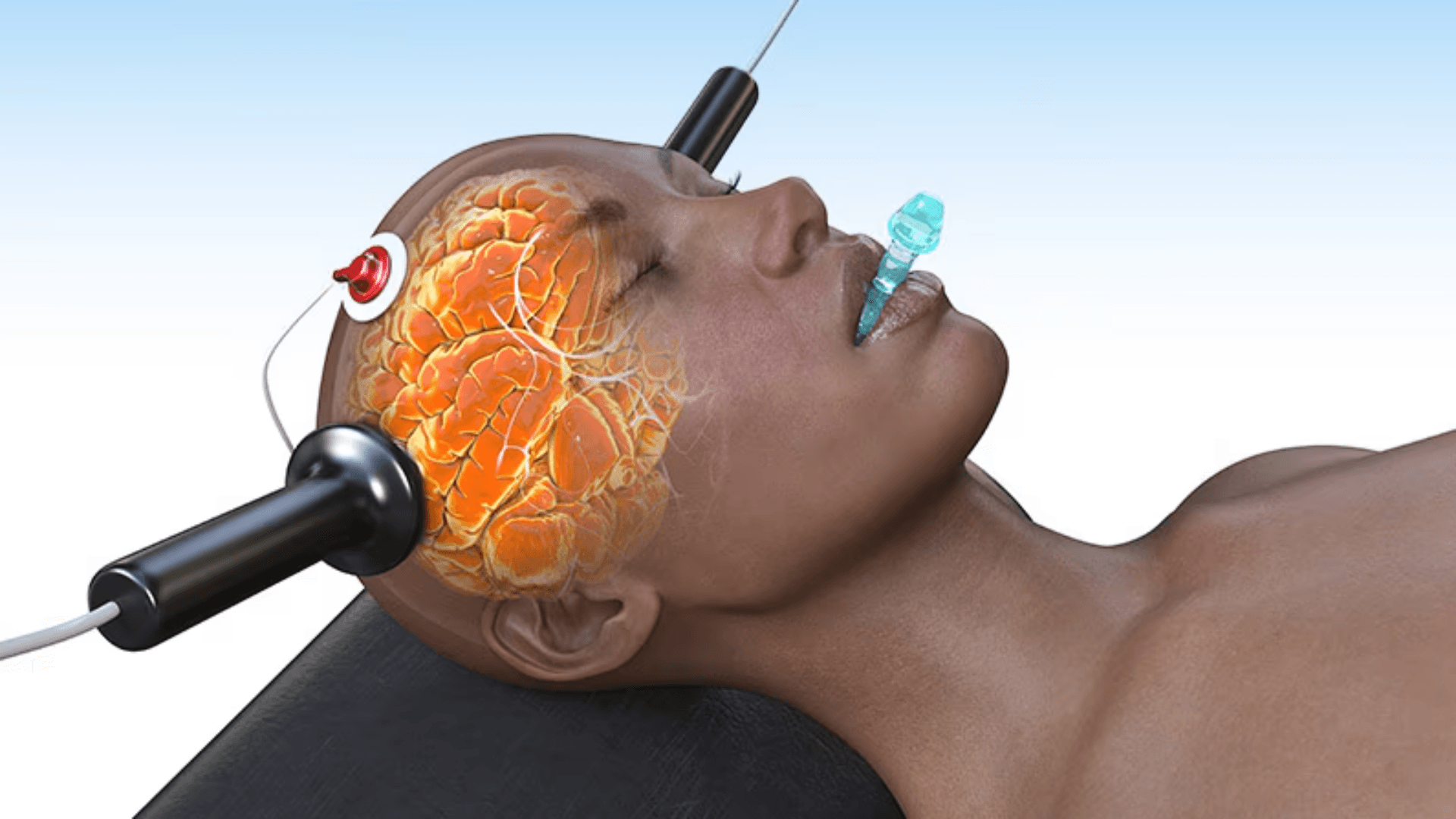
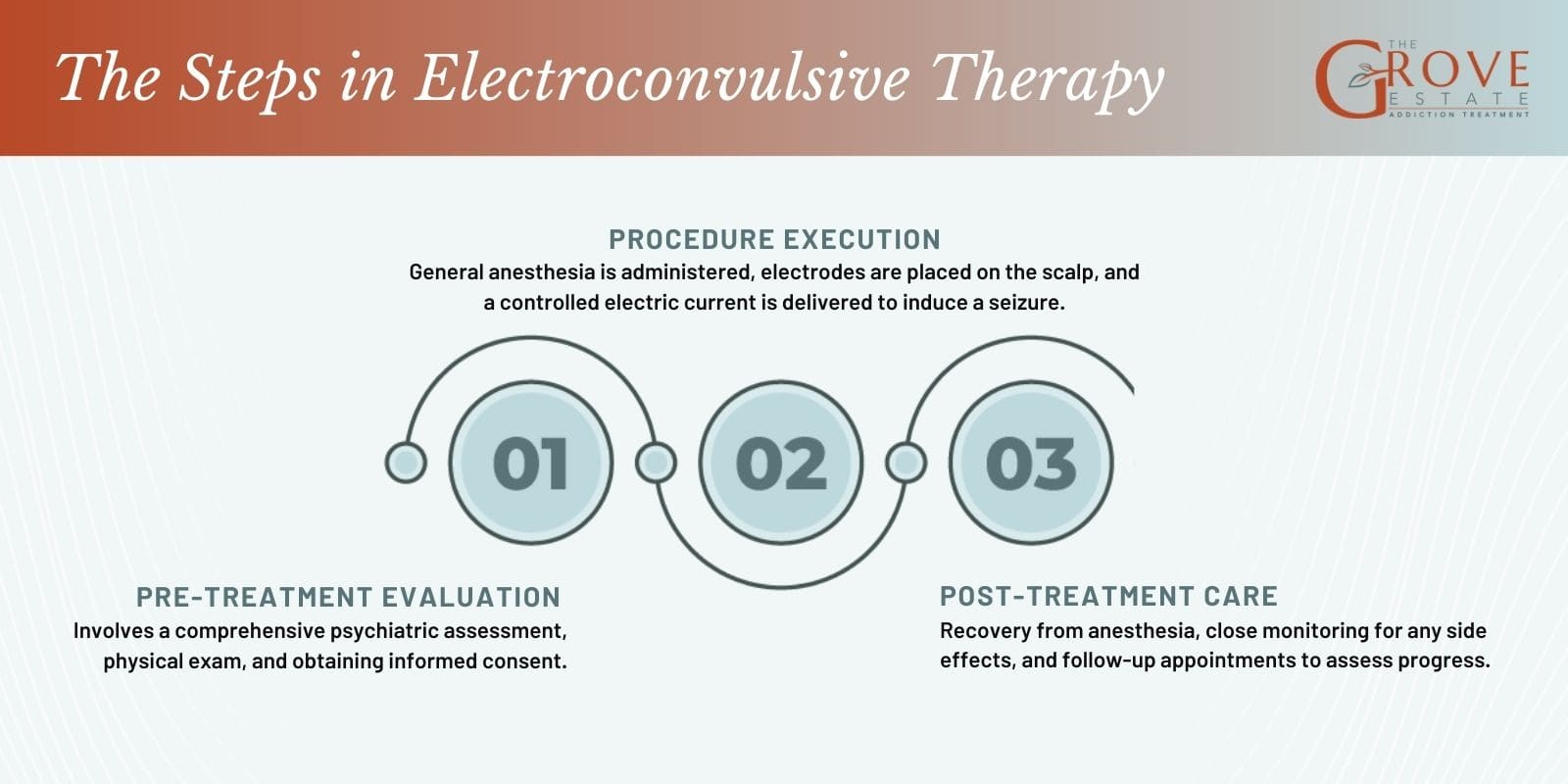
Before the first session, a thorough medical evaluation ensures the patient can tolerate anesthesia and the electrical stimulus. On the day of treatment, a short-acting anesthetic is given, followed by a muscle relaxant to minimize bodily movements during the seizure. Electrodes are then placed on the scalp—either on both sides (bilateral) or one side (unilateral)—and a carefully calibrated electric current is delivered, lasting only a few seconds. The resulting seizure typically lasts 30 to 60 seconds, after which the patient is monitored as they awaken.
Electrode Placement Options
- Bilateral placement: Electrodes on both temples, often producing a stronger therapeutic response but with a slightly higher risk of memory side effects.
- Unilateral placement: Electrodes on the non‑dominant (usually right) side of the brain, aiming to reduce cognitive disturbances while still offering clinical benefit.
- Modified or focal techniques: Newer methods that target specific brain regions, still largely experimental but promising for precision treatment.
Effectiveness: What the Evidence Shows
Meta‑analyses of modern ECT studies consistently report response rates of 70‑80 percent for severe depression, with remission rates approaching 50 percent when a full course of 6‑12 sessions is completed. The improvement often appears within the first few treatments, a speed that distinguishes ECT from most antidepressant medications, which may take weeks to show effect. While exact numbers vary by study design, the overall consensus is that ECT remains one of the most reliably effective interventions for treatment‑resistant mood disorders.
Potential Side Effects and Risks
Most patients experience mild, transient confusion and headache after the session—symptoms that usually resolve within an hour. The most discussed side effect is memory disruption. Short‑term retrograde amnesia (forgetting events immediately before the treatment) is common but tends to improve over weeks. Some individuals also report gaps in autobiographical memory for events that occurred weeks or months earlier; these gaps are less frequent with unilateral electrode placement. Physical risks are low when the procedure is performed by experienced teams, though rare complications can include prolonged seizures or cardiovascular strain.
Debunking Common Myths
Popular culture often paints ECT as a barbaric “shock therapy” administered without consent. In reality, modern ECT is a consensual, evidence‑based practice that follows strict dosing guidelines and continuous EEG monitoring. The term “electroconvulsive” reflects the seizure that is intentionally produced—not a random electric shock. Moreover, the treatment is brief—most sessions last under ten minutes, including preparation and recovery.
What to Expect During Recovery
After each session, patients spend about 30 minutes in a recovery area while vital signs stabilize and the anesthesiologist assesses orientation. Most people feel groggy but are able to go home the same day. Cognitive side effects, such as difficulty concentrating, usually lessen after a few days. Therapists often pair ECT with psychotherapy to maximize long‑term benefits, helping patients integrate the rapid mood lift into lasting coping strategies.
Practical Considerations Before Starting ECT
Insurance coverage has improved, but patients should verify benefits and any required pre‑authorizations. Scheduling typically involves multiple weekly appointments, with the exact frequency determined by the treating psychiatrist. Some clinics offer a “maintenance” phase after the acute series, delivering occasional sessions to sustain remission. Open communication with the care team about concerns—especially regarding memory—helps tailor the treatment plan to each individual’s needs.
Long‑Term Outlook
When ECT is successful, many patients experience a durable remission that lasts months or even years, especially if followed by appropriate medication and psychotherapy. Relapse rates are lower compared to medication alone, suggesting that the neurobiological reset achieved by ECT can have lasting effects. Ongoing research into how ECT influences brain connectivity may eventually refine protocols and reduce side effects even further.
Frequently Asked Questions
Is ECT painful? No. Patients receive general anesthesia and a muscle relaxant, so they do not feel the electrical stimulus or the seizure itself.
How many sessions are typical? A standard course ranges from six to twelve treatments, administered two to three times per week, though the exact number depends on the clinical response.
Can I stop medication during ECT? Most clinicians continue existing psychiatric medications, adjusting doses as needed. Stopping abruptly can worsen symptoms, so any changes are made under close supervision.
Will I lose all my memories? Permanent loss of all memories is extremely rare. Most patients notice only short‑term gaps around the treatment period, and many regain those memories over time.