Understanding Low Sulfur Surcharges: What Shippers Need to Know
Since the International Maritime Organization introduced the 2020 sulfur cap, the term “low sulfur surcharge” has crept into every freight invoice. If you’ve ever wondered why the extra line appears or how it impacts your shipping budget, you’re not alone. This guide unpacks the why, the how, and the what‑if of low sulfur surcharges, helping you navigate the new reality of cleaner fuels without surprise costs.
What Exactly Is a Low Sulfur Surcharge?
In plain language, a low sulfur surcharge (often abbreviated as LSS) is an additional fee carriers charge to offset the higher price of compliant fuel. The IMO 2020 regulation limits sulfur content in marine fuel to 0.5% m/m, a steep drop from the previous 3.5% limit. Because low‑sulfur fuel costs more to produce and transport, shipping lines pass part of that expense onto their customers.
Why the Surcharge Exists
The rationale is straightforward: carriers can’t absorb the entire fuel price jump without jeopardizing profitability. By adding a surcharge, they maintain flexibility—if fuel prices fall, the surcharge can be reduced or removed. It also offers transparency, letting shippers see exactly how much of the freight cost is linked to fuel compliance.
How It Affects Your Shipping Costs
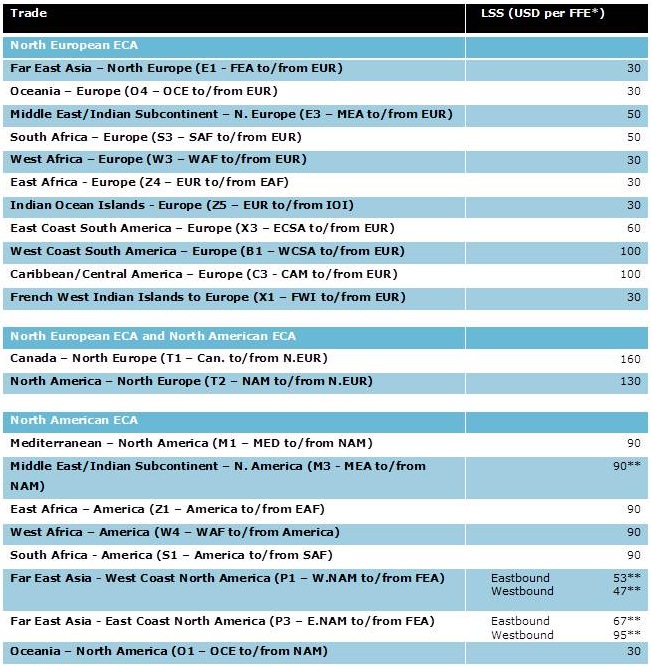
Low sulfur surcharges can vary widely, depending on route, vessel type, and the carrier’s pricing strategy. Short sea routes that use smaller vessels often see lower surcharges, while long‑haul routes crossing high‑traffic lanes may carry a heftier charge. In practice, the surcharge appears as a per‑ton or per‑container line item, adding anywhere from a few dollars to several hundred, depending on the shipment size.
Calculating the Surcharge: A Simple Approach
While each carrier uses its own formula, the core components are similar:
- Fuel price differential: The gap between low‑sulfur and conventional fuel costs.
- Fuel consumption rate: How much fuel the vessel uses per nautical mile.
- Distance traveled: Longer voyages amplify the surcharge.
- Cargo weight or volume: Charges are often spread across the total cargo, so heavier loads dilute the per‑ton impact.
For a quick back‑of‑the‑envelope estimate, take the fuel price differential (say $200 per metric ton), multiply by the vessel’s fuel consumption per mile, and then by the route distance. Divide the resulting figure by the total cargo weight to get a per‑ton surcharge.
Ways to Reduce or Avoid the Surcharge
Although the surcharge is tied to a global regulation, shippers can still manage its impact:
- Negotiate contract terms: Long‑term contracts often include clauses that cap or share surcharge fluctuations.
- Choose alternative routes: Some ports offer access to on‑shore scrubbers or low‑sulfur fuel supplies that can lower the surcharge.
- Consolidate shipments: Bigger loads dilute the per‑ton surcharge, making the fee a smaller percentage of overall cost.
- Consider fuel‑efficient vessels: Newer ships equipped with energy‑saving technology consume less fuel, translating into lower surcharges.
Recent Trends and Future Outlook
Since the implementation of IMO 2020, many carriers have adjusted their pricing models. Some have introduced “fuel‑price‑linked” surcharges that automatically rise and fall with market rates, providing a more dynamic reflection of costs. Meanwhile, the industry is watching the potential for alternative compliance methods, such as exhaust gas cleaning systems (scrubbers) or the gradual shift toward liquefied natural gas (LNG) propulsion. If those technologies become mainstream, the low sulfur surcharge could evolve—or even disappear—over the next decade.
FAQ
What’s the difference between a low sulfur surcharge and a bunker adjustment factor?
Both are fuel‑related fees, but a bunker adjustment factor (BAF) typically reflects broader fuel price volatility, while a low sulfur surcharge specifically addresses the higher cost of meeting the 0.5% sulfur limit.
Can I get a refund if the surcharge is applied in error?
Yes, most carriers have a dispute process. If you suspect an overcharge, gather your shipping documents and contact the carrier’s billing department for a review.
Do all shipping lines use the same surcharge calculation?
No. Each carrier may weigh the fuel price differential, consumption, and distance differently, so it’s worth comparing quotes from multiple providers.
Is the surcharge mandatory for all cargo types?
Regulatory compliance is mandatory, but the surcharge itself is a commercial charge. Some carriers may waive it for specific contracts or cargo categories, especially if they have dedicated low‑sulfur fuel contracts.