Unlocking The Secrets Of The Y Chromosome's PARs
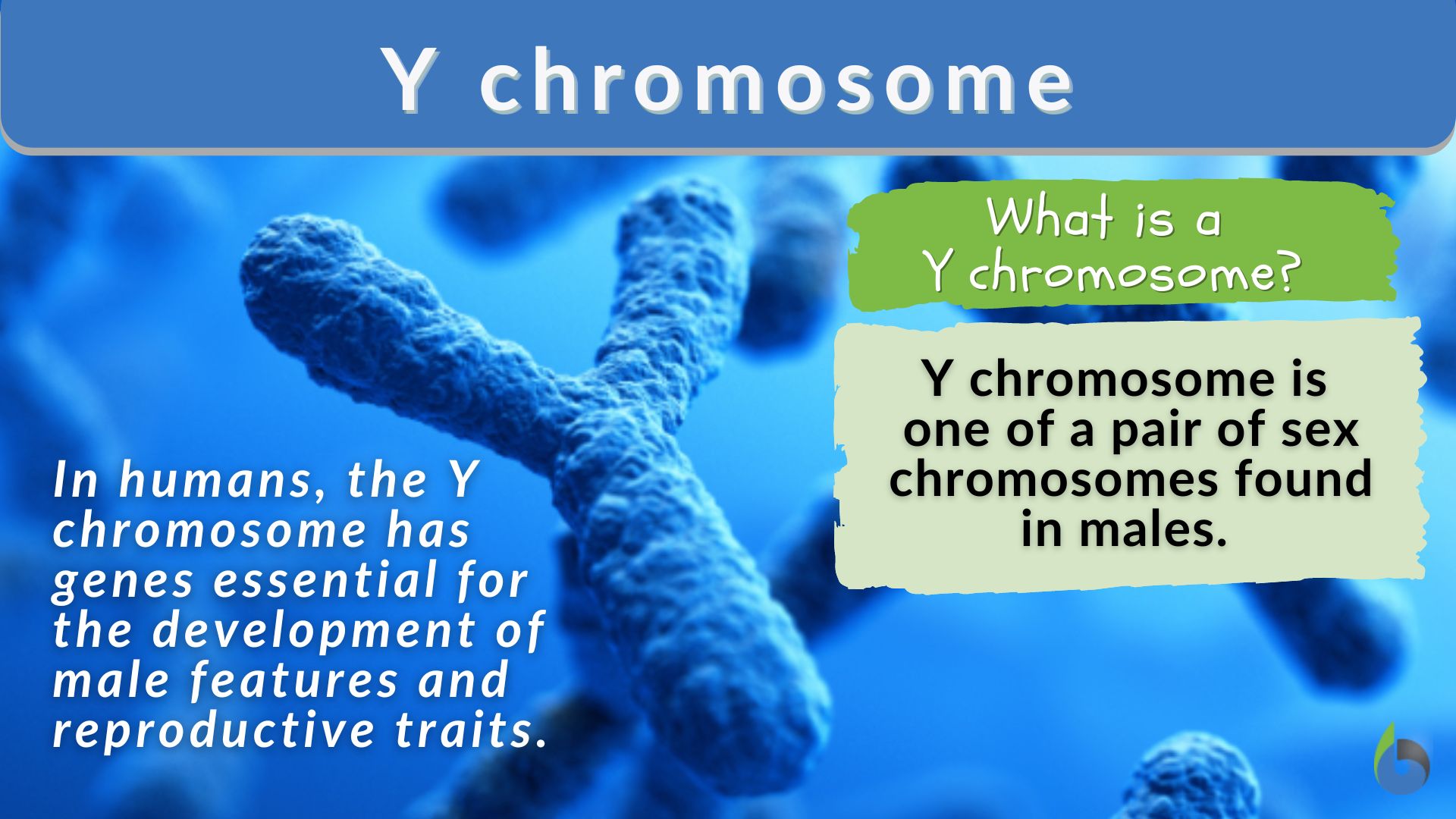
We’ve all heard the old biology lesson: boys get a Y chromosome from their dad, which makes them male. It sounds straightforward enough on the surface. The X chromosome is big and loaded with genes. The Y chromosome is tiny, shriveled, and often painted as a genetic dead end—a remnant of a once-prosperous lineage that has been silently decaying for millions of years.
But if you look closer at the ends of that skinny Y chromosome, you’ll find something entirely different. You’ll find the Pseudoautosomal Regions, better known as PARs. These are the tiny, often overlooked segments that defy the usual rules of sex chromosomes. They are the secret handshake between the X and the Y, keeping our genetics from falling apart. Unlocking the secrets of these regions changes how we understand everything from fertility to genetic disorders.
What exactly are the Pseudoautosomal Regions?
The human genome consists of 23 pairs of chromosomes. Most pairs are homologous, meaning the two chromosomes in the pair are identical in size, shape, and gene content. We call these autosomes. But the 23rd pair—the sex chromosomes—is the outlier. In typical female development, you get two X chromosomes (XX). In typical male development, you get one X and one Y (XY).
The problem with the XY pairing is that they are wildly different. They aren’t meant to line up perfectly during meiosis (the process that creates sperm and egg cells). If they can’t line up, they can’t recombine. And if they can’t recombine, errors happen. Chromosomes get lost or duplicated, leading to conditions like Klinefelter syndrome or Turner syndrome.
Enter the PARs. These are specialized sequences located at the very tips of both the X and Y chromosomes. Despite being part of sex chromosomes, the genes within these regions behave like they’re on autosomes. They are called "pseudoautosomal" because, while they sit on sex chromosomes, they escape the rules of sex-linked inheritance.
During meiosis, the PARs are the only parts of the X and Y chromosomes that can recognize each other. They pair up and exchange genetic material, a process called recombination or crossing over. This mechanical handshake is critical. It ensures that the sex chromosomes separate correctly when sperm cells are formed. Without these regions holding the X and Y together temporarily, male fertility would likely be compromised entirely.
The Two Distinct PAR Zones
It’s important to note that there isn’t just one PAR; there are two distinct zones, each with its own quirks and functions.
- PAR1: Located at the tip of the short arms (p-tips) of both X and Y. This is the larger of the two regions, spanning about 2.6 million base pairs. It contains a significant number of genes, including the SHOX gene, which is crucial for bone growth.
- PAR2: Found at the tip of the long arms (q-tips). This region is much smaller, containing only about 0.3 million base pairs and far fewer genes. Its role in recombination is less dominant but still functionally relevant.
Why the PAR genes escape X-inactivation
One of the most fascinating aspects of PARs is their behavior in females. In every cell of a typical human female, one of the two X chromosomes is randomly silenced—a process called X-chromosome inactivation or lyonization. This prevents females from having a "double dose" of X-linked gene products, which would be toxic compared to males who only have one X.
However, the genes in the PARs are exempt from this silencing. Both copies remain active in females, and the single copy remains active in males. This escape mechanism ensures that both sexes have the same dosage of these specific genes. It’s a neat evolutionary trick that balances the scales between XX and XY individuals.
This dosage sensitivity is why mutations in PAR genes don’t follow the standard rules of dominant or recessive inheritance. Because both copies are active in women and the single copy is active in men, the effects of a mutation often look different than other X-linked traits.
Clinical Significance: More Than Just Theory
Understanding the PARs isn’t just an academic exercise; it has direct clinical implications. Mutations or deletions in these regions can lead to specific disorders. The most prominent example involves the SHOX gene located in PAR1.
When the SHOX gene is defective or deleted, it can result in short stature conditions like Léri-Weill dyschondrosteosis or Turner syndrome. Affected individuals often have short limbs, a webbed neck, and skeletal abnormalities. Because the PAR1 region is involved in the physical pairing of chromosomes during sperm production, disruptions here can also lead to azoospermia (absence of sperm) or severe oligospermia (low sperm count).
Furthermore, because PAR1 recombination happens so frequently, it is a hotspot for structural rearrangements. Sometimes, the recombination goes wrong, leading to the transfer of Y-chromosome material onto the X chromosome, or vice versa. These structural changes can cause sex reversal, where an individual with an XY karyotype develops as female, or other complex intersex conditions.
The Evolutionary Puzzle
From an evolutionary standpoint, the PARs offer a window into the deep past. Millions of years ago, the X and Y chromosomes were not much different from each other. They were a pair of ordinary autosomes. Over time, the Y chromosome began to degenerate, losing most of its non-essential genes to simplify its primary role: determining maleness through the SRY gene.
The PARs are the remnants of that ancient equality. They are the fossils of a time when X and Y were identical partners. While the rest of the Y chromosome has shrunk and specialized, the PARs have retained their ability to recombine, preserving the mechanical stability required for human reproduction.
Studying these regions helps geneticists map the history of human evolution. By comparing the PAR sequences across different primates, scientists can trace how far back these regions diverged and how they have been conserved over millions of years. It turns out that the need for proper chromosome segregation is so vital that evolution has stubbornly kept these regions intact, refusing to let the Y chromosome disappear entirely.
Looking Ahead
As genomic sequencing becomes cheaper and more accessible, the clinical utility of examining the PARs will grow. Preimplantation genetic testing (PGT) may increasingly look at these specific regions to predict the risk of fertility issues or growth disorders in embryos. Understanding the precise mechanisms of PAR recombination could also open doors to treating certain forms of male infertility.
The Y chromosome is often dismissed as a genetic wasteland, but these tiny pseudoautosomal tips prove otherwise. They are the glue holding the system together, the escape hatch preventing dosage toxicity, and the evolutionary bridge to our primate ancestors. In the end, the secrets of the PARs remind us that even the smallest parts of our genome can have the biggest impacts on who we are.