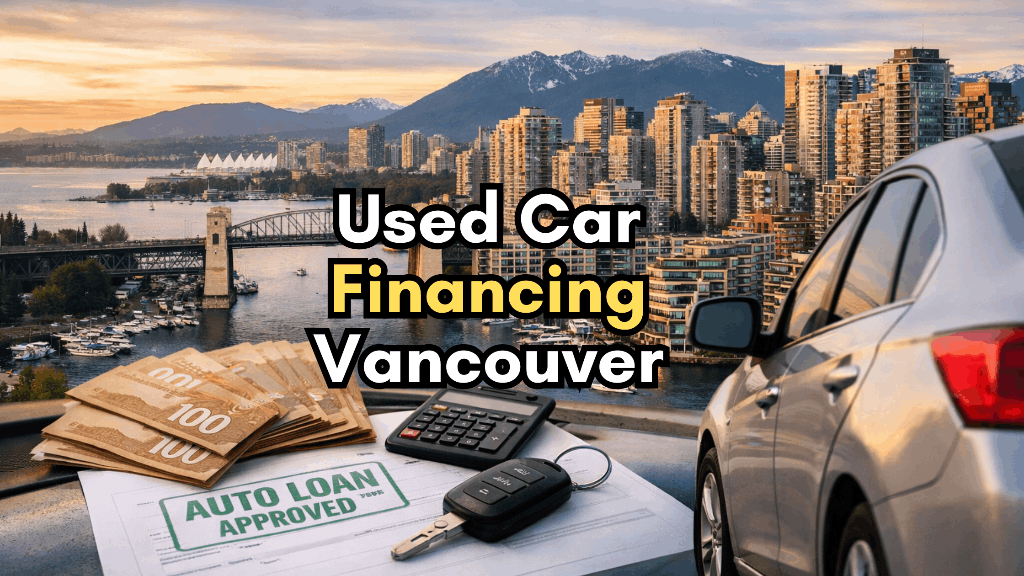
Used Car Financing: A Complete Guide to Smart Choices
Why Used Car Financing Can Be a Smart Move
When you’re eyeing a used vehicle, used car financing is often the most practical way to get into the driver's seat without draining your savings. Unlike buying outright, a loan spreads the cost over months, letting you keep a larger emergency fund. It also gives you the chance to secure a vehicle that fits your style and mileage needs while still staying within your budget. However, not every financing option is created equal, so understanding the basics first can save you hundreds of dollars.
Types of Financing Options for Used Cars
There are several avenues to explore when looking for a used car loan, each with its own pros and cons.
- Bank or Credit Union Loans – Often the lowest rates, especially if you’re a long‑time customer or have a good credit score.
- Dealer Financing – Convenient because everything is handled on-site, but be wary of add‑on fees.
- Online Lenders – Competitive rates and a quick application process, but research the lender’s reputation first.
- Personal Loans – No auto‑specific requirements, but interest rates can be higher if your credit isn’t stellar.
What to Look for in Interest Rates and Terms
The APR (annual percentage rate) tells you the true cost of borrowing. A lower APR means lower monthly payments and less money paid over the life of the loan. Longer terms can lower the monthly bill, but they increase the total interest paid. Aim for a term that balances affordability with a manageable total cost.
How to Prepare Your Credit Profile
Before you even start shopping, know where you stand.
- Check your credit score – Most lenders consider scores above 700 a solid benchmark for favorable rates.
- Correct errors on your credit report – Small mistakes can bump your score, so dispute any inaccuracies.
- Pay down high‑balance debt – Lowering your debt‑to‑income ratio improves your chances of approval and can lower rates.
Steps to Secure the Best Used Car Loan
Follow these steps to streamline the process and maximize your savings.
- Set a realistic budget – Include taxes, insurance, and maintenance when calculating total ownership costs.
- Shop for the vehicle first – Knowing the price gives you a concrete figure to work with during financing negotiations.
- Get pre‑approved – A pre‑approval from a bank or credit union gives you a price ceiling and bargaining power at the dealership.
- Compare offers side by side – Use an online calculator to see how different rates and terms affect monthly payments.
- Read the fine print – Watch for hidden fees, pre‑payment penalties, and dealer add‑ons that could inflate the loan.
- Finalize the paperwork – Ensure the lender’s name, loan amount, APR, and term match what you agreed upon.
Common Pitfalls and How to Avoid Them
Even a seasoned buyer can trip over a few traps.
- “Good for a Used Car” but not for a New One – Some lenders offer low rates only for used vehicles; verify the vehicle type before signing.
- Skipping the Vehicle Inspection – A pre‑purchase inspection can uncover hidden damage that could cost more to fix than the loan’s interest.
- Overpaying with Extended Warranty Add‑Ons – Many dealers push warranties that double the cost; compare with independent providers.
- Missing the Pre‑payment Option – Some loans require a penalty if you pay early. Choosing a penalty‑free loan can shave off extra interest.
Managing Your Loan After the Purchase
Once the paperwork’s signed, staying on top of payments is key to keeping your credit healthy and preventing repossession.
- Set up automatic payments – This guarantees you never miss a due date and may qualify you for a small rate reduction.
- Track the amortization schedule – Knowing how much principal versus interest you pay each month helps you plan early payoff strategies.
- Keep an eye on the resale value – Even if you keep the car for years, understanding its depreciation can inform future financing decisions.
FAQ About Used Car Financing
- What credit score do I need for a good used car loan? Typically, a score of 680 or higher earns competitive rates, though some lenders offer options down to 600 with higher APRs.
- Can I use a dealership loan if my credit is bad? Dealerships often have partnerships with subprime lenders, but rates can be significantly higher. Shopping elsewhere first is usually wiser.
- Is it better to take a shorter or longer loan term? Shorter terms reduce total interest but increase monthly payments. Choose the balance that fits your cash flow.
- Do I need a down payment? A larger down payment lowers the loan amount, which reduces both monthly payments and total interest. Even a modest 10% down can make a difference.
Final Thoughts
Used car financing, when approached methodically, can unlock a reliable vehicle without sacrificing financial stability. By checking your credit, comparing offers, and reading every clause, you’ll not only secure a fair loan but also set yourself up for a smooth ownership experience. Keep these steps in mind, and you’ll navigate the used car market with confidence and clarity.