Voice‑Over Script Samples That Make Your Project Stand Out
Why a Strong Script Is the Heartbeat of Any Voice‑Over
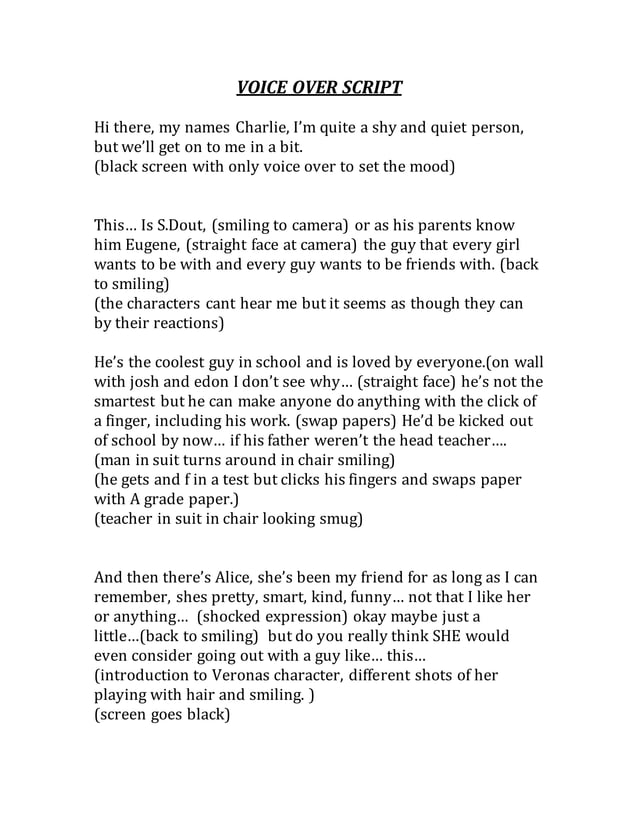
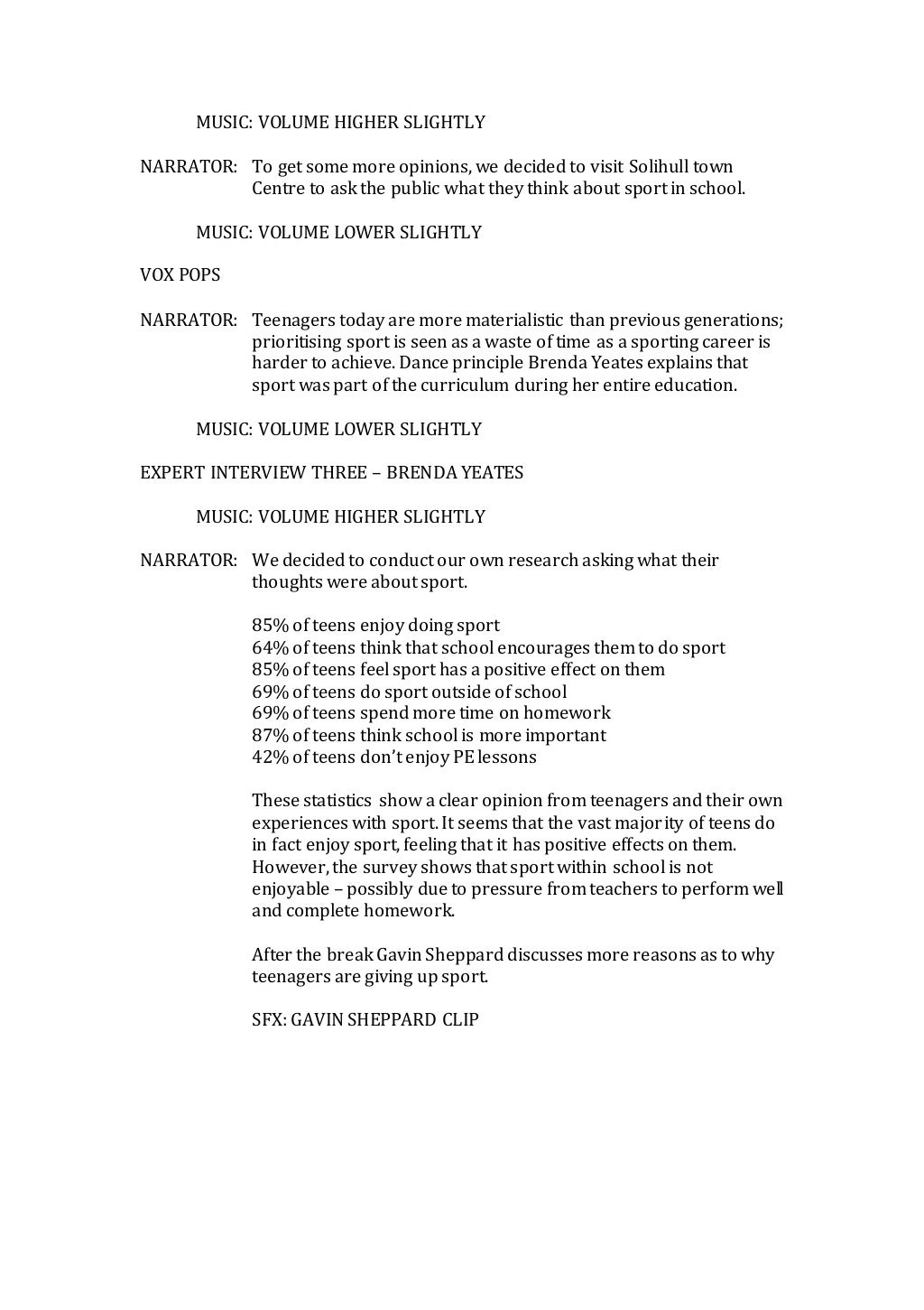
Even the most polished recording can fall flat if the words don’t guide the listener. Voice Over Script Examples illustrate how structure, tone, and pacing intertwine to create a narrative that feels both clear and compelling. A well‑crafted script tells the voice talent exactly where to pause, which emotion to convey, and how to sync with visual cues, turning a simple message into a memorable experience.
Common Types of Voice‑Over Scripts and What Sets Them Apart
Before diving into examples, it helps to know the terrain. Commercial spots demand punchy, attention‑grabbing lines that fit a 30‑second window. Explainer videos need a conversational flow that simplifies complex ideas without sounding condescending. Documentary narration leans on descriptive language and rhythm, while e‑learning modules require instructional clarity and a steady pace. Each genre follows its own set of conventions, which become evident when you compare real‑world samples.
Sample 1: 30‑Second Radio Spot for a New Coffee Brand
“Morning rush? Meet BrewPulse, the coffee that fuels your hustle. With bold, smooth notes that linger, one sip sparks focus that lasts. Grab a BrewPulse at your local grocer and start every day charged. BrewPulse—ignite your momentum.”
- Hook (first 5 seconds) grabs attention with a question.
- Product benefit (“bold, smooth notes”) is vivid but concise.
- Call‑to‑action is clear and repeats the brand name for recall.
Sample 2: Two‑Minute Explainer Video for a SaaS Platform
“Imagine managing every client task from one dashboard. With TaskFlow, you can assign projects, set deadlines, and track progress—all in real time. No more juggling emails or spreadsheets. Simply log in, drag a task into the timeline, and watch your team stay in sync. Ready to streamline your workflow? Start your free trial today and see the difference.”
- Starts with a relatable scenario.
- Uses “you” language to keep the viewer engaged.
- Ends with a gentle but direct call‑to‑action.
Sample 3: Documentary Narration About Coral Reefs
“Beneath the turquoise surface lies a city of color and life—coral reefs. These underwater architects build massive structures over centuries, providing shelter for countless species. Yet, rising temperatures threaten their very foundation, bleaching them white and silent. Scientists warn that without urgent action, future generations may never hear the hum of a thriving reef.”
- Descriptive adjectives paint vivid imagery.
- Facts are presented calmly, allowing the voice talent to modulate tone.
- Emotional appeal emerges in the final sentence, urging reflection.
Sample 4: E‑Learning Module Introduction for Safety Training
“Welcome to Workplace Safety 101. In this module, you’ll learn how to identify hazards, use personal protective equipment, and respond to emergencies. Each section includes a short video, a quick quiz, and a practical checklist you can download. By the end, you’ll feel confident handling everyday risks with the right precautions.”
- Clear objectives set expectations.
- Step‑by‑step layout mirrors the course design.
- Encouraging tone keeps learners motivated.
Key Takeaways From These Examples
Notice how each script respects its medium: the radio spot is punchy; the explainer is conversational; the documentary is lyrical; the e‑learning piece is instructional. By studying these patterns, writers can adapt their own copy to match the desired vibe without reinventing the wheel each time.
Practical Tips for Writing Your Own Voice‑Over Scripts
1. Keep the audience front‑and‑center. Ask yourself what they already know and what you need to convey in the time you have. 2. Write for the ear, not the eye. Read your draft aloud; if a phrase feels clunky when spoken, rewrite it.
3. Mark pauses and emphasis. Use brackets or ellipses to indicate breathing spots, and bold words that should be stressed. 4. Limit jargon. Even technical topics become more accessible when you replace acronyms with plain language or brief definitions.
5. Test with a prototype recording. A short read by a friend or a text‑to‑speech tool can reveal rhythm issues before you hire a professional voice actor.
Tools and Resources for Script Development
Several free and low‑cost platforms can streamline the drafting process. Google Docs’ “Voice typing” lets you dictate ideas and instantly see them transcribed, while Hemingway Editor highlights overly complex sentences that might trip up a narrator. For collaborative feedback, services like Frame.io allow you to attach audio notes directly to specific script sections.
Common Mistakes to Avoid
First, don’t overload the script with adjectives that sound forced; brevity often wins. Second, steer clear of long, uninterrupted monologues—listeners’ attention wanes after about 20 seconds without a tonal shift. Finally, avoid assuming the voice talent will “interpret” meaning; be explicit about mood, pacing, and any required character voices.
How to Choose the Right Voice Talent for Your Script
Match the voice’s timbre to your brand personality. A youthful, energetic tone suits a startup app, while a warm, authoritative voice fits corporate training. Listening to demo reels and requesting a short custom read of your script can confirm whether the actor’s delivery aligns with your vision.
FAQ
Q: How long should a typical commercial voice‑over script be?
A: For a 30‑second spot, aim for 70‑80 spoken words. This gives enough room for a hook, benefit statement, and call‑to‑action without sounding rushed.
Q: Is it okay to use filler words like “um” or “you know” in a script?
A: Generally, no. Professional voice talent will naturally add brief breaths, but filler words can make the narration sound unpolished. Keep the script clean and let the performer add natural rhythm.
Q: Should I write my script in all caps for emphasis?
A: Avoid all caps; it can be interpreted as shouting and makes the text harder to read. Instead, use italics or bold to signal emphasis to the narrator.
Q: How many revisions are typical before finalizing a voice‑over script?
A: Most projects go through 2‑3 rounds of feedback—initial draft, client edits, and a final polish after a test read. Adjustments after hearing the first recording are common and help fine‑tune timing.