Voice Without Words: Mastering Nonverbal Communication
Ever notice how a raised eyebrow can say more than a full sentence? That’s the power of a voice without words—our body, face, and even the space we occupy all transmit messages we often overlook. Understanding these silent signals not only sharpens personal relationships but also boosts professional credibility. Below we’ll explore what counts as nonverbal communication, why it matters, and practical ways to become a better listener of the unspoken.
What Counts as a Voice Without Words?
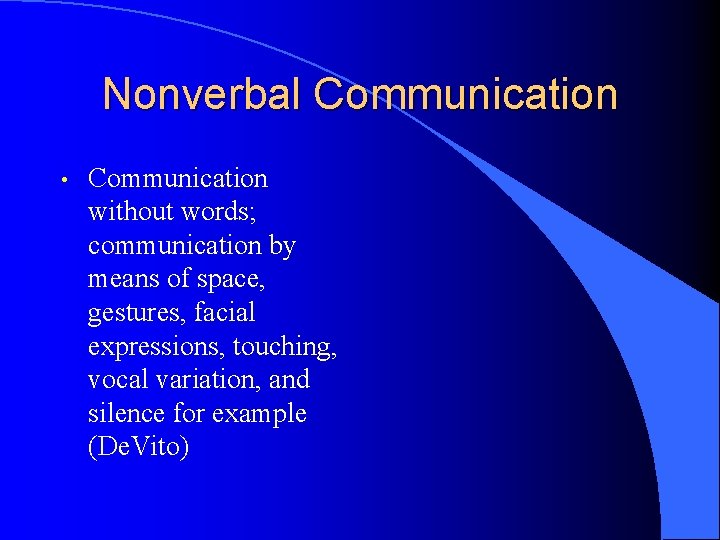
Nonverbal communication isn’t just about grand gestures; it’s a subtle orchestra of cues that work together. Facial expressions, posture, eye contact, and even the rhythm of your breathing form a continuous feedback loop. Even the tone of your voice—its pitch, pace, and volume—conveys attitudes before you utter a single word.
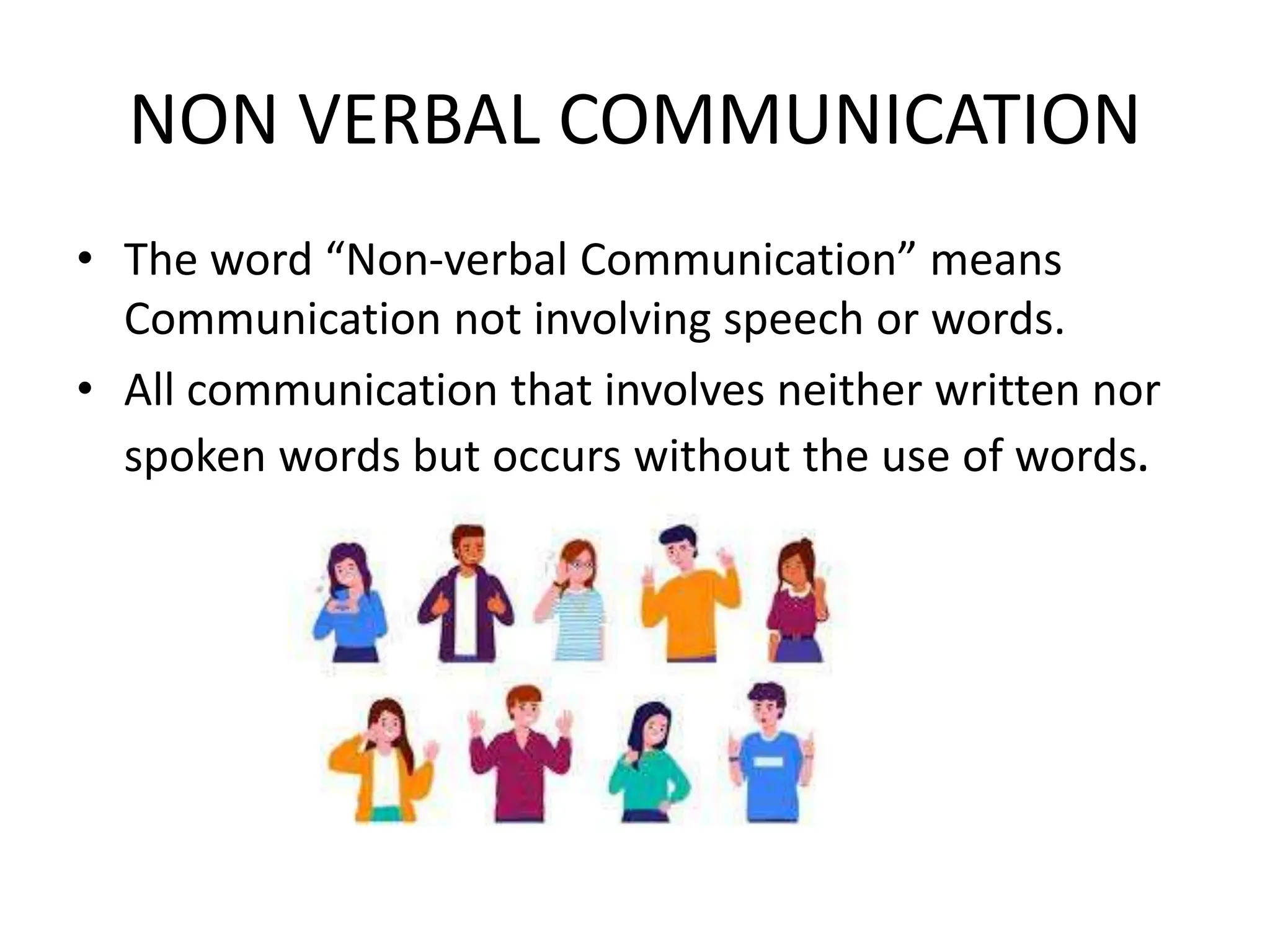
Think of a simple handshake. A firm grip can signal confidence, while a limp one may suggest uncertainty. Likewise, crossing arms might indicate defensiveness, but in some cultures it simply means the person is comfortable. The key is to treat every observable behavior as a potential data point, not a definitive verdict.
The Core Channels of Nonverbal Communication
- Kinesics – movement of the body, including gestures, posture, and facial expressions.
- Proxemics – use of personal space; how close you stand can reflect intimacy or authority.
- Paralanguage – vocal qualities like tone, pitch, and speed that color spoken words.
- Haptics – touch, ranging from a supportive pat on the back to a formal handshake.
- Chronemics – timing and pacing, such as how long someone pauses before responding.
Each channel offers a different lens on the same conversation. When they align, the message feels authentic; when they clash, the listener senses tension.
Reading Body Language in Everyday Interactions
Start by observing the basics: eye contact, shoulders, and hand placement. Direct eye contact often signals engagement, but an overly intense stare can feel invasive. Open shoulders and uncrossed arms usually denote receptivity, whereas a hunched posture may suggest disengagement or fatigue.
Micro‑expressions—fleeting facial movements lasting just a fraction of a second—are especially revealing. A quick flash of contempt before a smile, for example, can hint at underlying disagreement. While spotting micro‑expressions takes practice, even noticing the broader emotional tone can improve the quality of dialogue.
Cultural Nuances and Common Pitfalls
What reads as confidence in one culture might be perceived as aggression in another. In many East Asian societies, avoiding direct eye contact shows respect, whereas Western contexts often interpret it as evasiveness. Similarly, the appropriate physical distance varies: a tight conversational bubble is normal among friends in Brazil but may feel intrusive in Japan.
To navigate these differences, approach each interaction with curiosity rather than judgment. If you’re unsure, a polite question—“Is it okay if I stand a bit closer?”—can turn a potential misstep into a moment of mutual respect.
Boosting Your Nonverbal IQ
Improving your ability to read and emit nonverbal cues is a skill you can hone deliberately. Here are three low‑effort practices:
- Mirror drills: In a low‑stakes conversation, subtly mirror the other person’s posture or gestures. Mirroring builds rapport and also trains you to notice those gestures.
- Video playback: Record a short interview or presentation, then watch it without sound. Pay attention to how your facial expressions and hand movements support—or contradict—your spoken message.
- Pause and scan: Before responding, take a brief pause to observe the speaker’s body language. This pause often yields clues about their confidence, anxiety, or underlying intent.
Remember, the goal isn’t to become a human lie detector but to develop a richer, more empathetic conversation style.
Frequently Asked Questions
Can nonverbal cues be trusted more than spoken words?
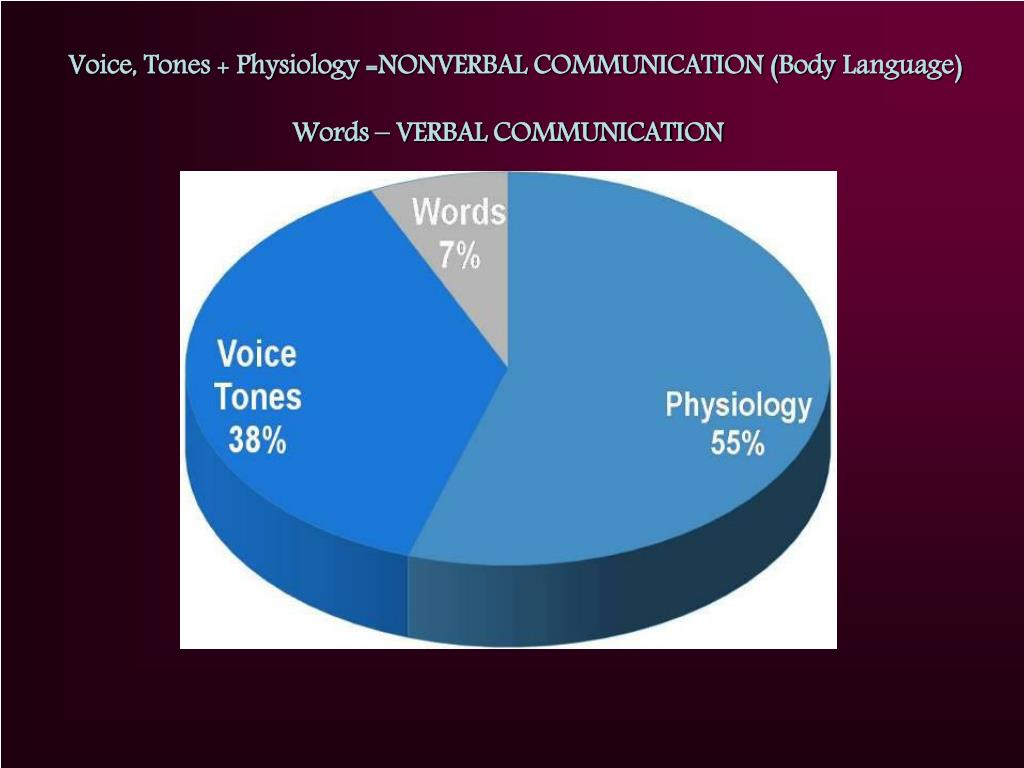
Often, yes. Research suggests that people attribute about 55% of a speaker’s emotional intent to body language, compared to roughly 38% for tone of voice and only 7% for the actual words. Still, context matters; a confident speaker may deliberately mask discomfort with a practiced smile.
How do I handle conflicting verbal and nonverbal messages?
When words and gestures don’t match, most listeners focus on the nonverbal side. A calm voice paired with clenched fists, for example, signals hidden tension. Gently addressing the discrepancy—“I hear you say everything’s fine, but you seem a bit stressed”—opens space for clarification.
Is it possible to improve my own nonverbal signals?
Absolutely. Self‑awareness is the first step: notice your posture, facial tension, and habitual gestures. Practicing relaxed breathing and open body language can make you appear more approachable and confident.
Do animals use a “voice without words”?
Yes. Many species rely heavily on body language—think of a dog’s wagging tail or a cat’s flattened ears—to convey mood. While not directly comparable to human communication, these signals illustrate the evolutionary roots of nonverbal expression.