What an RFP Means for Construction Projects—and Why It Matters
When a building or infrastructure project gets off the drawing board, one of the first official documents that surfaces is a Request for Proposal, or RFP. For contractors, architects, and project managers, an RFP can feel like a formal invitation, but it’s actually a carefully engineered tool that shapes the entire construction process.
What Is an RFP in Construction?
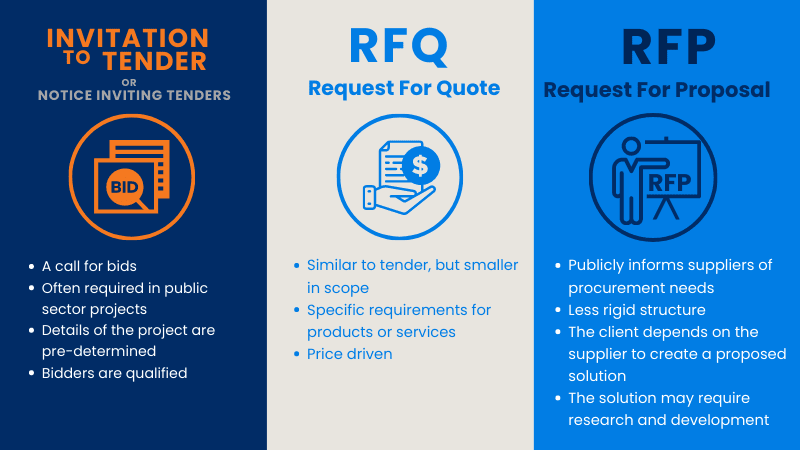
An RFP is a structured solicitation that a project owner uses to gather proposals from qualified firms. It spells out the scope of work, technical requirements, expectations, and selection criteria, providing a common framework for all bidders. The goal is to create an even playing field, reduce ambiguity, and make the decision‑making process transparent.
Typical Sections of a Construction RFP
- Project Overview: Brief description of the project, its purpose, and the owner’s vision.
- Scope of Work: Detailed tasks, deliverables, and performance standards.
- Specifications & Standards: Material, design, and quality benchmarks.
- Evaluation Criteria: How proposals will be scored—price, experience, schedule, sustainability, etc.
- Bid Submission Requirements: Format, deadline, and required documentation.
- Terms & Conditions: Legal framework, insurance, bonding, and compliance obligations.
The Significance of an RFP in the Construction Process
Beyond its obvious function of inviting bids, an RFP serves several strategic purposes that directly influence a project’s success.
Ensuring Clarity of Scope
By articulating every requirement in writing, the RFP eliminates guesswork. Contractors who understand exactly what is expected are more likely to deliver on time and within budget.
Facilitating Competitive Bidding
When multiple qualified firms receive the same information, competition drives innovation and cost efficiency. A well‑crafted RFP attracts a diverse pool of bidders, giving owners more options.
Mitigating Risk
Clear terms and evaluation metrics reduce the likelihood of disputes. If a contractor misinterprets a requirement, the RFP’s detailed language provides a point of reference for resolution.
Controlling Cost
By setting specific deliverables and performance expectations, owners can anticipate cost drivers early on. Bidders that propose unrealistic savings or ambiguous approaches are naturally filtered out.
Ensuring Quality and Compliance
Specifying materials, standards, and regulatory requirements in the RFP ensures that every proposal aligns with safety, environmental, and building code expectations.
How to Draft a Winning Construction RFP
A strong RFP is built on clarity, precision, and foresight. Below are practical steps to craft one that attracts the right partners.
Define Project Objectives
Start with the “why” behind the project. Whether it’s a public transit hub or a corporate headquarters, articulating the owner’s goals helps bidders tailor solutions that align with the intended purpose.
Provide Detailed Specifications
Include drawings, material lists, and performance tests. The more specific you are, the fewer ambiguities will arise during execution.
Set Clear Evaluation Criteria
Weight each criterion—price, schedule, sustainability, past performance—and communicate it upfront. This transparency encourages bidders to focus their proposals on what matters most to the owner.
Include Timeline & Milestones
Show a realistic schedule with key decision points. Bidders can then assess whether they have the capacity to meet those milestones.
Encourage Questions & Clarifications
Schedule pre‑bid meetings or Q&A periods. Addressing doubts early prevents costly changes later.
Common Pitfalls to Avoid
Even experienced project teams can fall into traps that undermine the RFP’s effectiveness.
- Vague Language: Ambiguous terms lead to inconsistent interpretations and late‑stage revisions.
- Overly Restrictive Requirements: Excessive specificity can exclude innovative solutions and narrow the bidder pool.
- Ignoring Legal Compliance: Forgetting to embed licensing, bonding, or environmental regulations invites legal risk.
- Skipping Pre‑Bid Meetings: Without a forum for dialogue, misunderstandings can propagate.
Real-World Impact: Case Studies
Municipal Bridge Project
In a recent county bridge refurbishment, the owner issued an RFP that emphasized seismic resilience and reduced traffic disruptions. Contractors responded with advanced construction techniques that minimized on‑site impact. The resulting project stayed within budget and finished 15 % ahead of schedule.
Commercial Office Tower
A developer issued an RFP that prioritized energy efficiency, citing LEED certification as a key metric. The winning bidder introduced a smart building system that cut projected operating costs by roughly 12 % compared to preliminary estimates.
Frequently Asked Questions
- What is the difference between an RFP and a Request for Information (RFI)? An RFP formally invites proposals, while an RFI seeks general information to refine project parameters.
- How long should an RFP be? Length varies, but clarity is more important than page count; typically 15–30 pages is common.
- Can a small contractor win a large RFP? Yes, if their proposal demonstrates expertise, cost competitiveness, and a strong compliance record.
- Do I need legal counsel to draft an RFP? While not mandatory, consulting a construction attorney helps ensure that all legal and regulatory clauses are properly addressed.



/i.s3.glbimg.com/v1/AUTH_63b422c2caee4269b8b34177e8876b93/internal_photos/bs/2022/j/Q/cNJ7hIRLyWZcfMjBH1jw/gettyimages-1302206514.jpg)