What Exactly Is a Multi‑Purpose Vehicle (MPV) and Why It Matters
When you hear the term MPV, you might picture a family‑friendly minivan or a sleek crossover that can carry both passengers and cargo. In the world of digital learning, understanding vehicle categories can be surprisingly useful—especially for courses on automotive design, marketing, or logistics. A Multi‑Purpose Vehicle, often shortened to MPV, blends the space of a van with the driving dynamics of a car, creating a versatile platform that suits a range of everyday scenarios.
Defining the Multi‑Purpose Vehicle
An MPV is a vehicle body style engineered to maximise interior volume while maintaining a car‑like ride quality. Unlike traditional vans, which prioritize cargo capacity above all, MPVs offer flexible seating arrangements, sliding doors, and a higher roofline that makes standing upright a comfort rather than a stretch. The name itself—“multi‑purpose”—signals that the vehicle is meant to serve several roles: family transport, shuttle service, and even light commercial work.
Core Characteristics That Set MPVs Apart
Several design elements consistently appear across MPVs:
- Modular Seating: Seats can often be folded flat, removed, or re‑configured to create a larger cargo area.
- Elevated Driving Position: Drivers sit higher, gaining better visibility without the bulk of an SUV.
- Sliding or Wide‑Opening Doors: Especially on the passenger side, these doors facilitate easier entry in tight parking spots.
- Optimised Interior Space: A flat floor and generous headroom make long trips more comfortable.
These traits combine to give MPVs a reputation for practicality without sacrificing the driving experience most car buyers expect.
MPV vs. Similar Body Styles
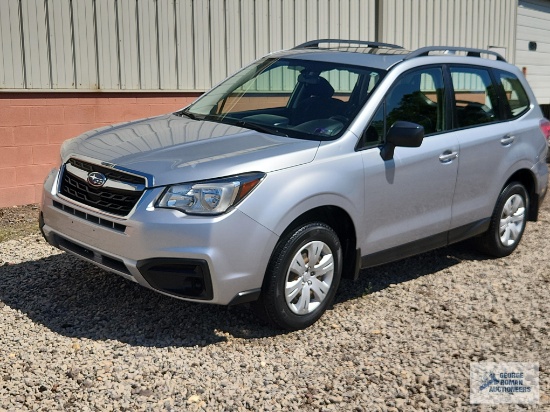
It’s easy to confuse MPVs with minivans, compact SUVs, or even crossovers. While a minivan is essentially a subset of the MPV family, many manufacturers market their larger, more luxurious models as “MPVs” to highlight premium features. Compact SUVs, on the other hand, often prioritize off‑road capability and rugged styling, whereas MPVs focus on interior flexibility. Crossovers blend SUV aesthetics with car platforms, but they usually lack the sliding doors and the same level of seat modularity that define a true MPV.
Who Benefits Most from an MPV?
Families with growing children appreciate the easy‑access doors and the ability to switch from seven seats to a cargo‑only configuration in seconds. Small businesses—think delivery services or ride‑share operators—value the combination of passenger comfort and a sizable load area. Even urban dwellers find MPVs handy because the compact footprint makes parking less stressful while still offering space that a typical sedan simply cannot provide.
Popular MPV Models Around the World
Different markets have their own favorites, reflecting regional preferences and regulations. In Europe, the Volkswagen Touran and Renault Scénic dominate the compact MPV segment. North America leans toward larger models like the Chrysler Pacifica and the Kia Carnival, which blend upscale interiors with family‑focused tech. Asian manufacturers such as Toyota Sienta and Honda Freed cater to densely populated cities by offering narrow widths and efficient engines.
Choosing the Right MPV for Your Lifestyle
Start by assessing your typical passenger load. If you frequently transport three to five adults plus luggage, a midsize MPV with a third‑row seat may be ideal. For occasional cargo trips, prioritize a model with removable seats and a low floor height. Fuel efficiency is another consideration; many newer MPVs come with hybrid or plug‑in options that lower operating costs without compromising space.
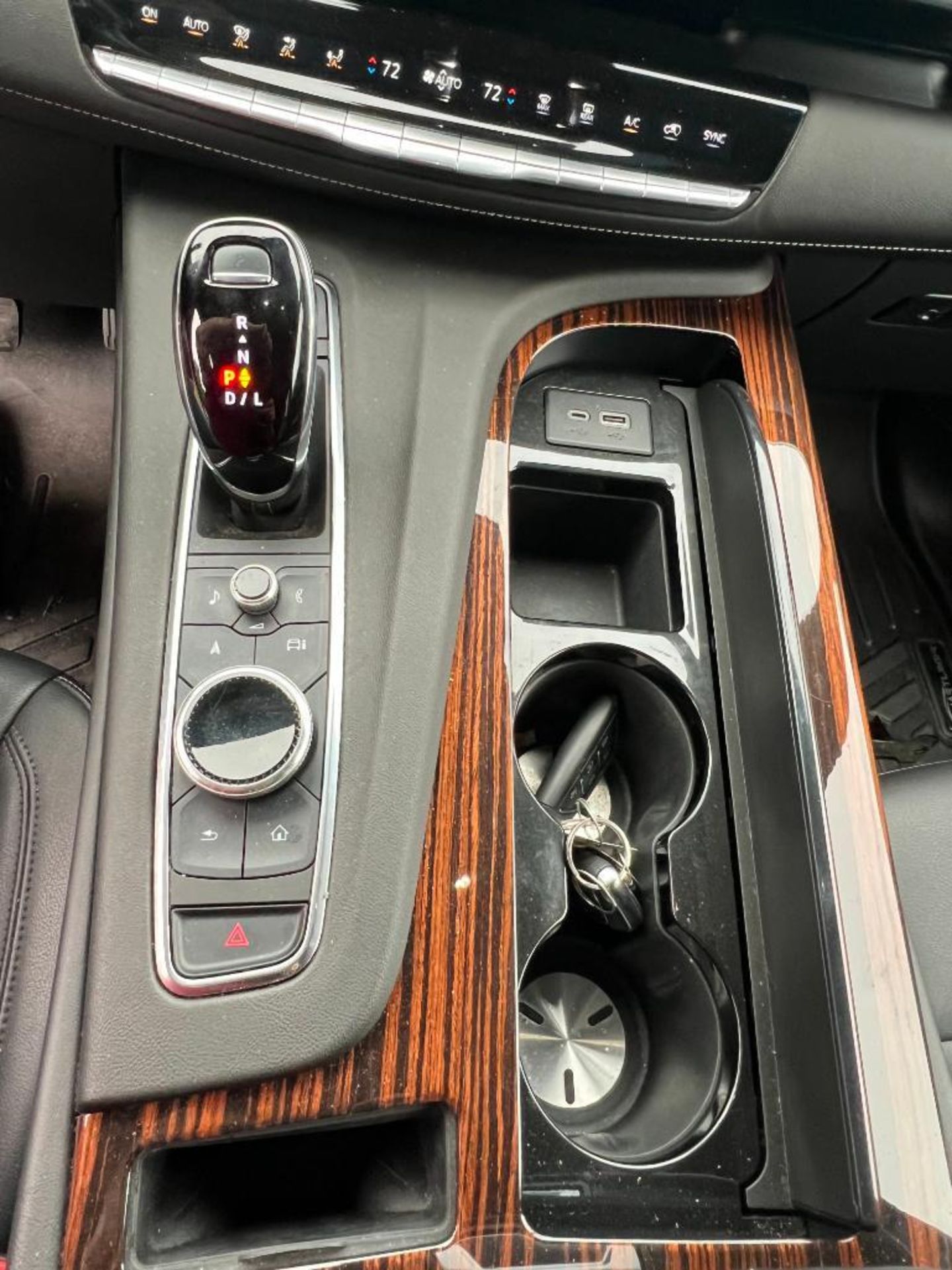
Don’t overlook tech features. Modern MPVs often include infotainment systems with multiple screens, rear‑seat USB ports, and advanced driver‑assist aids like blind‑spot monitoring. These conveniences can turn long journeys into a pleasant experience for both drivers and passengers.
Future Trends Shaping MPVs
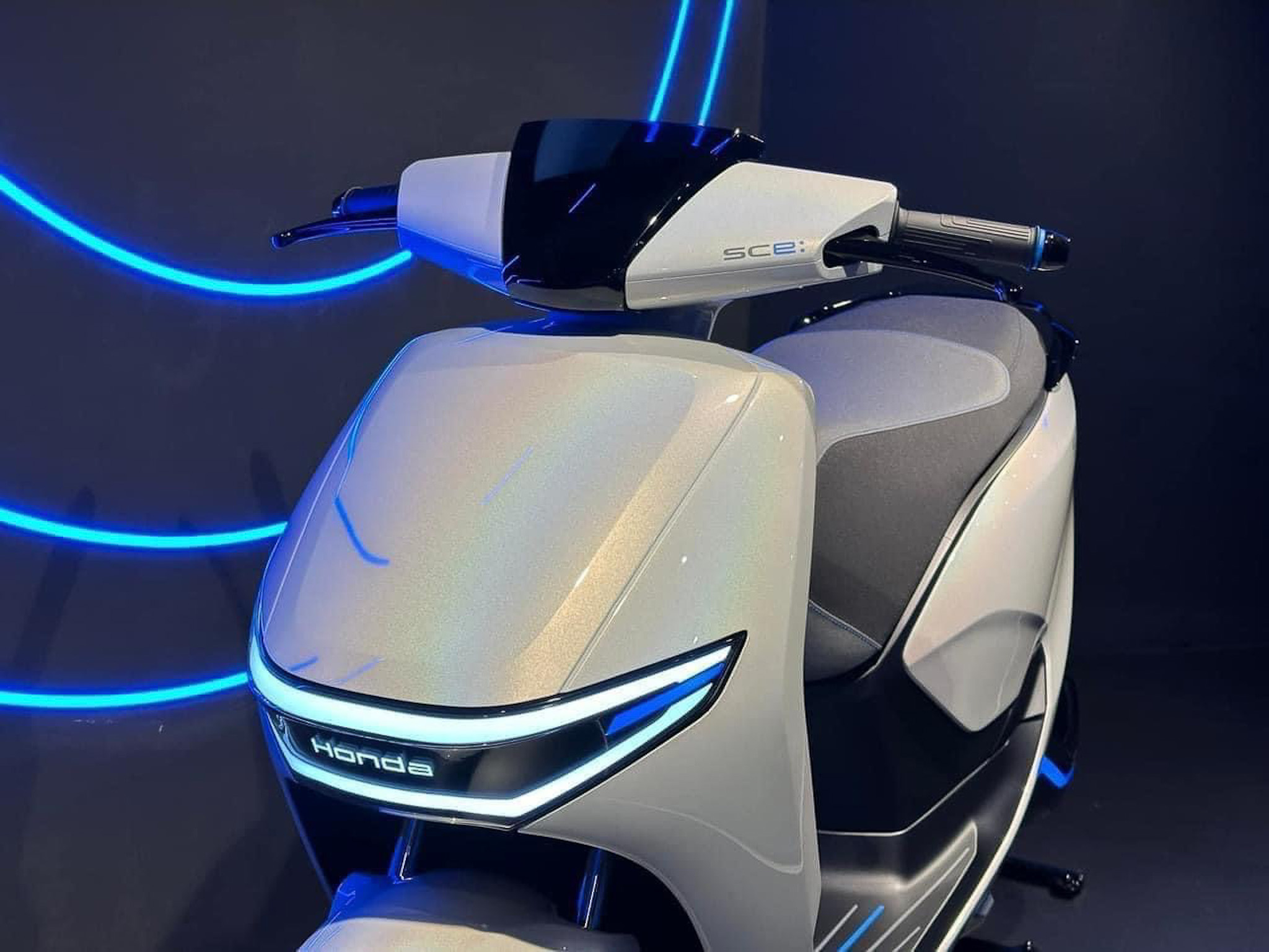
Electrification is the headline act in the automotive industry, and MPVs are no exception. Several manufacturers have announced electric MPV concepts that promise zero‑emission driving while retaining the spacious cabin that defines the segment. Additionally, autonomous‑driving technology could soon make MPVs even more family‑oriented, allowing occupants to relax or work while the car handles traffic.
Another emerging trend is the integration of modular interior modules—think removable workstations or sleeping pods—that could transform an MPV into a mobile office or a compact camper. As urban mobility evolves, the MPV’s core promise of flexibility positions it to stay relevant for years to come.
FAQ
What’s the difference between an MPV and a minivan?
While all minivans are MPVs, not every MPV is marketed as a minivan. The term “minivan” usually refers to larger, more traditional family vehicles, whereas “MPV” can include smaller, more urban‑focused models with premium touches.
Are MPVs fuel‑efficient compared to SUVs?
Generally, yes. MPVs often have lighter bodies and more aerodynamic shapes than similarly sized SUVs, resulting in better fuel economy. Hybrid and electric options further improve efficiency.
Can an MPV be used for commercial purposes?
Absolutely. Many businesses choose MPVs for employee shuttles or light cargo transport because they combine passenger comfort with a generous load area without the high operating costs of larger vans.
Do MPVs have off‑road capability?
Most MPVs are designed for on‑road comfort rather than rugged terrain. However, some models offer all‑wheel‑drive options that provide better traction in adverse weather, though they still fall short of true off‑road SUVs.