What Freestyle Rap Actually Means: A Deep Dive
Defining Freestyle in the Context of Hip‑Hop
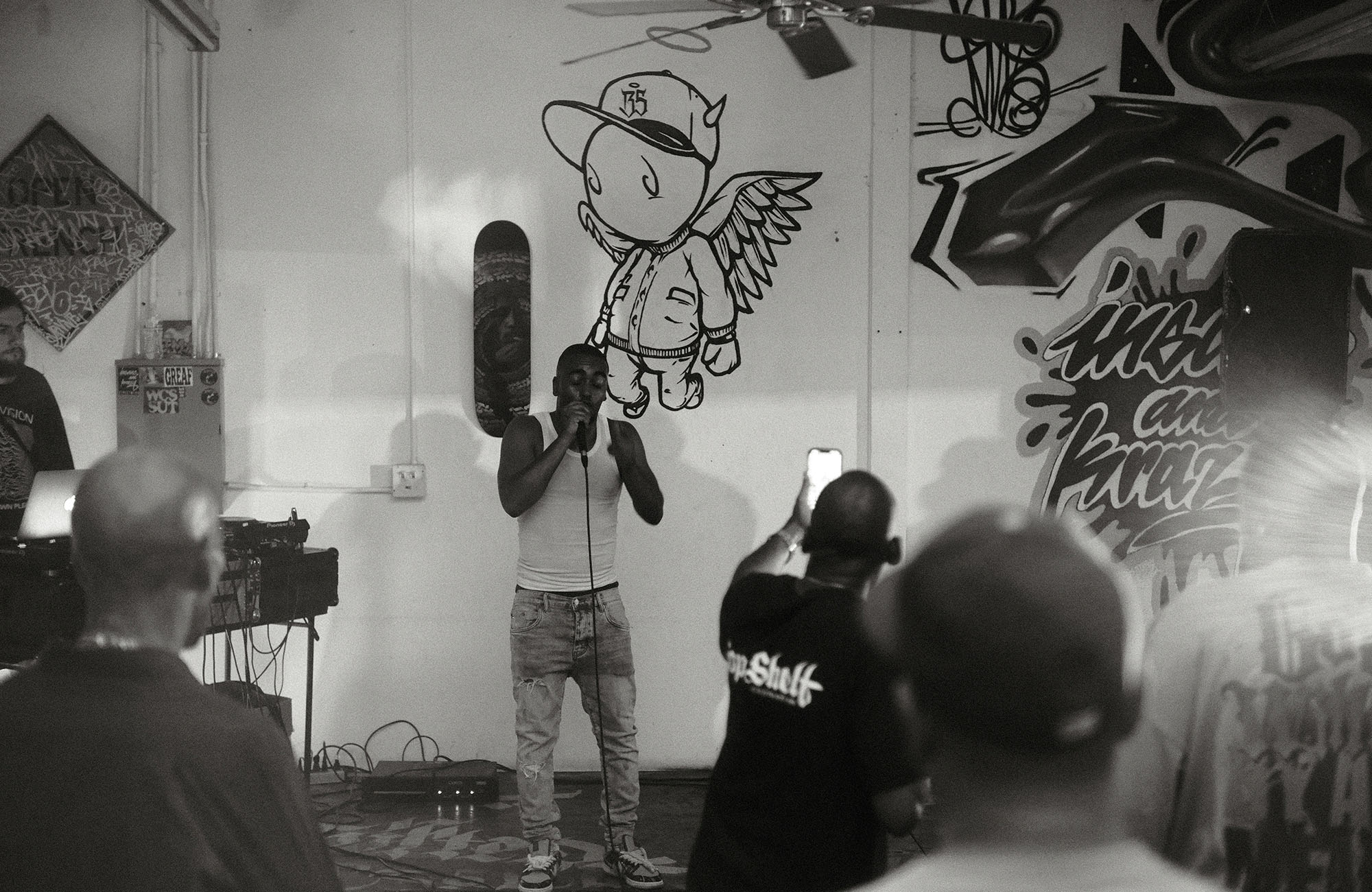
When people hear the word “freestyle,” they often picture a rapper spitting rapid fire bars over a beat with no preparation. In reality, freestyle rap is a blend of improvisation, skill, and cultural tradition that goes beyond the occasional on‑the‑spot rhyme. At its core, it’s the art of creating lyrics in real time, usually over a looping instrumental, while staying true to rhythm, rhyme, and personal expression. This definition sets the stage for why the practice remains a litmus test for authenticity in hip‑hop.
The Roots: From Battle Cyphers to Studio Sessions
Freestyle didn’t spring up overnight. Its lineage can be traced to the street cyphers of the 1970s Bronx, where MCs would trade verses in a circle, each trying to out‑wit the last. Those early battles were raw, unfiltered, and often recorded on cassette decks for later playback. As hip‑hop migrated to the studio, artists like Big Daddy Kane and Rakim began to weave rehearsed “freestyle” sections into tracks, blurring the line between spontaneous flow and crafted lyricism. The evolution shows that the term has always been flexible, adapting to the medium while preserving its improvisational spirit.
Key Elements That Make a Verse Truly “Freestyle”
- Improvisation: The rapper must generate lyrics on the spot, without a pre‑written script.
- Rhythmic Consistency: Staying on beat is non‑negotiable; even the most inventive lines falter if the flow drifts.
- Rhyme Scheme Adaptability: Skilled freestylers can switch patterns mid‑verse, keeping listeners on their toes.
- Topic Flexibility: From the crowd’s energy to current events, a genuine freestyle reacts to its environment.
Improvisation vs. Pre‑Written Lines
Many newcomers assume that any rap verse without a printed page qualifies as a freestyle. However, seasoned MCs often rehearse “freestyle” verses for recordings, polishing them until they sound spontaneous. The distinction lies in intent: a true freestyle embraces uncertainty, allowing the mind to wander and the words to surface organically. If the rapper knows exactly what they’ll say before the beat drops, the performance leans toward a written verse—even if delivered with the same energy as a live battle.
Flow, Rhythm, and the Beat
Flow is the rapper’s internal clock. In a freestyle, the beat serves as an anchor, but the artist’s cadence can shift, accelerate, or decelerate to match the mood. A well‑executed freestyle showcases a seamless dialogue between the instrumental and the voice, where each pause or syncopation feels intentional rather than forced. Listeners often sense this conversation, and that perception is what separates a memorable freestyle from a scattered monologue.
Common Misconceptions About Freestyle
One persistent myth is that “any rap over a beat is freestyle.” In truth, many tracks feature verses written in advance that simply mimic the cadence of a freestyle. Another misconception is that freestyle is always vulgar or nonsensical. While battle rap can get heated, many freestylers use the format to explore storytelling, social commentary, or humor. Finally, some believe that only seasoned veterans can freestyle; beginners often surprise themselves with raw creativity, proving that the skill is as much about confidence as it is about technique.
How Artists Practice and Hone Their Freestyle Skills
Practice for freestyling resembles a musician’s warm‑up routine. Artists repeatedly loop beats, forcing themselves to rap about anything that comes to mind—objects in the room, recent headlines, or personal anecdotes. Some use “word‑association drills,” where a random word appears on a screen and they must weave it into a verse within ten seconds. Others record their sessions, then replay to spot weak spots, tightening rhyme patterns and tightening breath control. The common thread is deliberate repetition coupled with a willingness to fail and start again.
Freestyle in Modern Rap: Platforms, Competitions, and the Digital Age
The internet has turned freestyle into a global showcase. YouTube series like “G‑Funk” and Instagram “beat‑down” challenges give unknown MCs instant exposure. Live streaming platforms let audiences vote in real time, adding a layer of pressure that mimics the intensity of a street cypher. Meanwhile, televised competitions such as “Freestyle Friday” and “Rapsody” offer cash prizes, but they also reinforce the cultural value of spontaneity. The digital realm has broadened the audience, yet the core demand—thinking on your feet—remains unchanged.
Why Freestyle Still Matters in Hip‑Hop Culture
At its heart, hip‑hop celebrates authenticity, and freestyle is the purest test of that ideal. It strips away studio polish, exposing an MC’s lyrical dexterity, quick wit, and ability to connect with a crowd. Even when a rapper’s biggest hits are meticulously crafted, their reputation often hinges on a single, unforgettable freestyle that proves they can “hold it down” without a safety net. In that sense, freestyle operates like a rite of passage, affirming both personal credibility and the genre’s improvisational roots.
Frequently Asked Questions
Is freestyling the same as battle rap?
Not exactly. Battle rap is a competitive duel where two MCs aim to out‑insult each other, often with pre‑written punchlines. Freestyle focuses on spontaneous creation without a direct opponent, though the two can overlap during cyphers.
Can I improve my freestyle by writing verses first?
Absolutely. Writing builds vocabulary, rhyme schemes, and flow patterns that you can later retrieve instinctively during a live freestyle. Think of it as expanding the toolbox you’ll draw from in the moment.
Do professional recordings ever include true freestyles?
Yes, though they’re rare. Some artists record a live‑in‑the‑studio freestyle to capture raw energy, then release it as a single or bonus track. The resulting track retains the imperfect charm that fans love.
What’s the best way to start practicing freestyle?
Begin with a simple beat, set a timer for one minute, and talk about anything you see around you. Gradually increase the time, add rhyme constraints, and review recordings to fine‑tune your delivery.